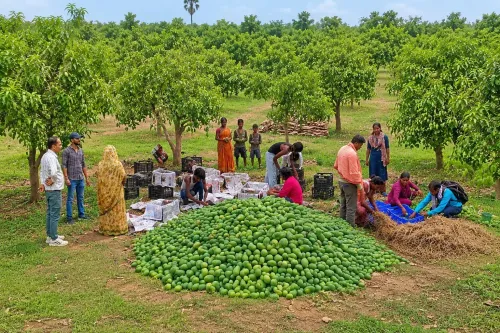
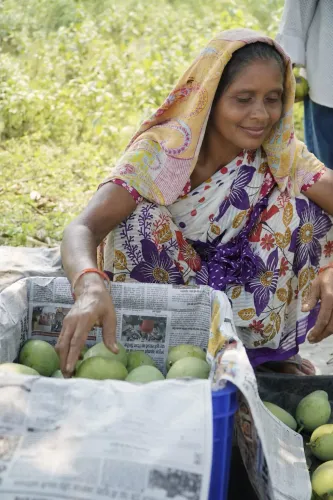
Piyush Goyal: Jharkhand tribal women's mangoes reach Dubai
Synopsis
Union Commerce Minister Piyush Goyal announced on 7 July 2026 that Amrapali mangoes from Jharkhand's tribal aspirational districts Gumla and Deoghar are now being exported to Dubai, with APEDA empowering tribal women farmers through the initiative, reflecting India's push to link backward districts with Gulf markets.
Key Takeaways
Amrapali mangoes from Gumla and Deoghar in Jharkhand are now being sold in Dubai markets.
APEDA is the institutional driver behind the export linkage, focusing on empowering tribal women farmers .
Both Gumla and Deoghar are designated Aspirational Districts under NITI Aayog's 2018 programme.
The India-UAE CEPA signed in 2022 has eased market access for Indian agri products including mangoes.
The initiative reflects the Agricultural Export Policy of 2018 's goal of diversifying export destinations and farm clusters.
The export push aims to deliver higher incomes to tribal farming communities in eastern India's underserved districts.
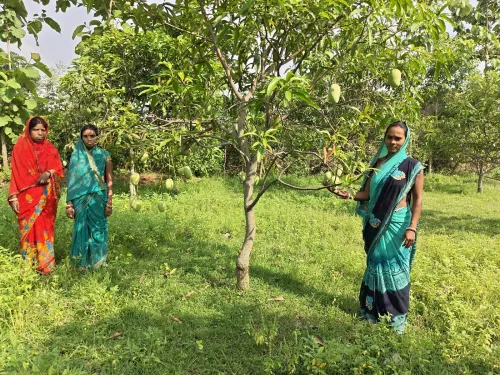
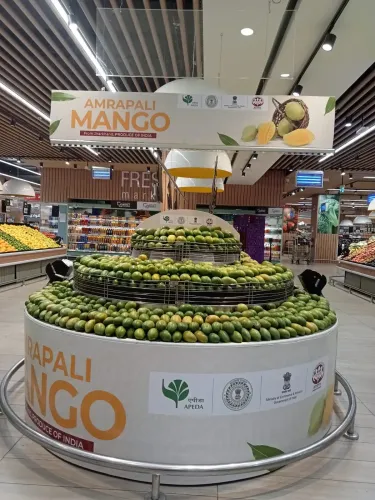
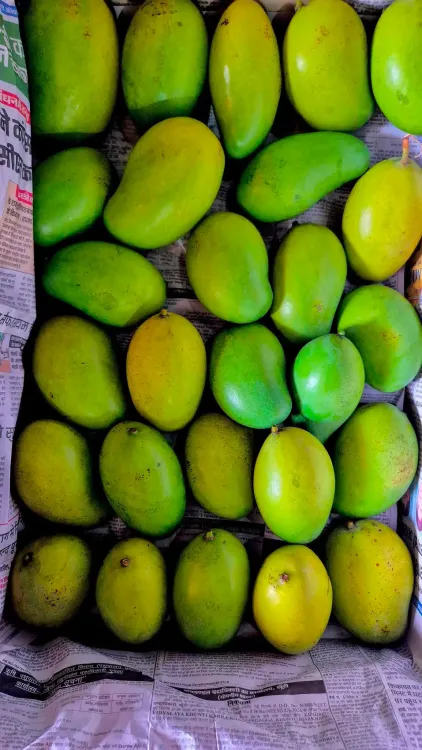
Union Commerce and Industry Minister Piyush Goyal on Tuesday, 7 July 2026, highlighted that Amrapali mangoes from the aspirational districts of Gumla and Deoghar in Jharkhand are now reaching Dubai markets, crediting the effort to the Modi government and APEDA's work in empowering tribal women farmers.
Context
Goyal's post, written in Hindi, states: 'Modi sarkar ke prayason se lagatar sthaniya krishi utpad ab videshon mein apni pahchaan sthaapit karte ja rahe hain' — 'Through the efforts of the Modi government, local agricultural products are continuously establishing their identity abroad.' He specifically noted that APEDA's collaboration is central to empowering tribal women farmers in these regions, and that Amrapali mangoes from aspirational districts and blocks in Jharkhand are 'carving out a distinct identity with their taste in Dubai's markets.'
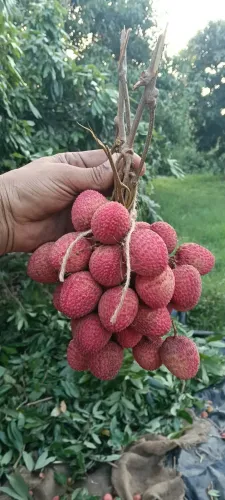
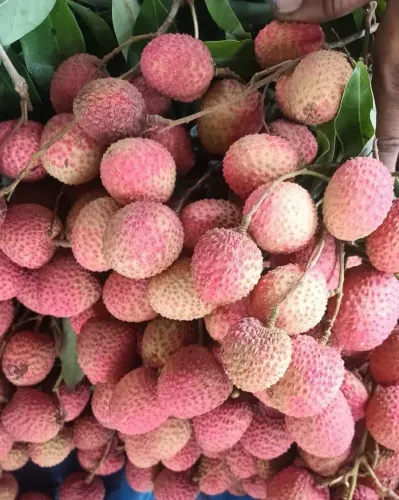
The post was accompanied by four images, underscoring the on-ground nature of the export initiative and the communities involved.
Policy Backdrop
APEDA — the Agricultural and Processed Food Products Export Development Authority, a statutory body under the Ministry of Commerce and Industry — has facilitated Indian mango exports to the UAE and other markets since the mid-1980s. Its current mandate aligns with the Agricultural Export Policy of 2018, which set a framework for diversifying India's agri-export destinations and linking farm clusters directly to international demand.
Gumla and Deoghar are both identified under NITI Aayog's Aspirational Districts Programme, launched in 2018, which prioritises accelerated development in historically underserved areas — including agriculture, women's livelihoods, and horticulture. Connecting these districts to Gulf export channels represents a convergence of the aspirational-districts framework with India's trade-promotion machinery.
The India-UAE Comprehensive Economic Partnership Agreement (CEPA), signed in 2022, has further eased the pathway for Indian agricultural products into the UAE market by reducing tariff and non-tariff barriers, making the Dubai route more commercially viable for niche produce such as the Amrapali mango — a hybrid variety known for its sweetness and shelf life.
Stakeholders and Impact
The primary beneficiaries of this initiative are tribal women farmers in Jharkhand's mango-growing belts, who gain access to premium export markets that would otherwise be beyond their reach without institutional support. For these communities in aspirational districts, export linkages translate directly into higher farmgate prices and more stable seasonal incomes.
For India's broader agri-export ecosystem, the Jharkhand-to-Dubai corridor signals an intent to move beyond established export clusters in Maharashtra and Uttar Pradesh and tap the horticultural potential of eastern and tribal India. The UAE remains one of India's most significant agri-export destinations, with a large South Asian diaspora that drives consistent demand for Indian mango varieties.
What's Next
APEDA is expected to scale up seasonal export facilitation drives for mangoes and horticulture from Jharkhand in the 2026-27 trade cycle. Policymakers and trade officials will be watching whether additional aspirational districts in the state — or in other tribal-belt states — can be linked to similar Middle East market corridors in upcoming trade missions.
The broader implication is that India's agricultural export strategy is increasingly anchored in social equity as much as trade volumes: by routing export benefits through women-led tribal farming groups in backward districts, the government is attempting to make international trade a tool of rural inclusion, not just revenue generation.
Point of View
Aspirational-district territory — a politically resonant framing ahead of any Jharkhand-focused outreach. The convergence of APEDA's trade machinery with the Aspirational Districts Programme and the India-UAE CEPA illustrates how the Commerce Ministry is stacking multiple policy instruments to produce visible, community-level outcomes. Highlighting tribal women farmers as the beneficiaries also ties the trade narrative to a broader social equity pitch that the BJP has leaned on in Jharkhand, a state with a significant tribal electorate. Whether the volumes involved are commercially significant or symbolic at this stage remains to be seen, but the optics of linking Gumla and Deoghar to Dubai are clearly deliberate.
NationPress
7 Jul 2026
Frequently Asked Questions
Which Jharkhand mangoes are being exported to Dubai?
Amrapali mangoes from the aspirational districts of Gumla and Deoghar in Jharkhand are being exported to Dubai markets, as highlighted by Commerce Minister Piyush Goyal on 7 July 2026.
What is APEDA's role in the Jharkhand mango export?
APEDA, the statutory authority under India's Ministry of Commerce and Industry for agri-export promotion, is facilitating the export and working to empower tribal women farmers in Jharkhand's aspirational districts to participate in the Dubai market.
What are aspirational districts in Jharkhand?
Gumla and Deoghar are aspirational districts identified under NITI Aayog's Aspirational Districts Programme launched in 2018, aimed at accelerating development in historically underserved areas including agriculture and women's livelihoods.
How has the India-UAE CEPA helped mango exports?
The India-UAE Comprehensive Economic Partnership Agreement, signed in 2022, reduced tariff and non-tariff barriers on Indian agricultural products entering the UAE, making it commercially more viable to export niche produce like Amrapali mangoes to Dubai.
What is the Amrapali mango variety?
Amrapali is a hybrid mango variety developed in India, known for its sweetness and relatively good shelf life, making it suitable for export to Gulf markets such as Dubai.