PM Modi Chairs EAC-PM Meeting on Economic Reforms
Synopsis
Prime Minister Narendra Modi chaired a meeting of the Economic Advisory Council to the Prime Minister on 6 June 2026, deliberating on India's economic transformation, long-term development priorities, and ways to accelerate the ongoing structural reforms journey.
Key Takeaways
Prime Minister Narendra Modi chaired an EAC-PM meeting on 6 June 2026 .
Discussions covered India's economic transformation and long-term development priorities .
The council also deliberated on adding momentum to the ongoing reforms journey .
The EAC-PM was originally constituted in September 2017 as an independent advisory body to the Prime Minister.
The meeting fits within the broader Viksit Bharat 2047 framework of making India a developed economy by independence centenary.
Follow-up policy signals are expected in the next Union Budget or Economic Survey .
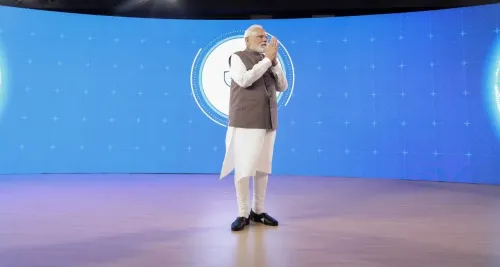
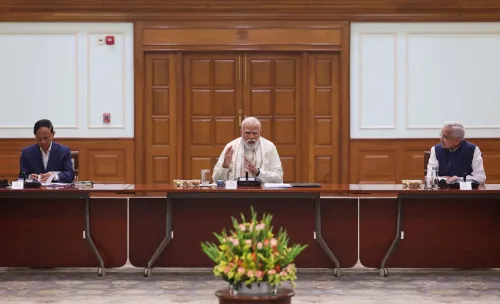
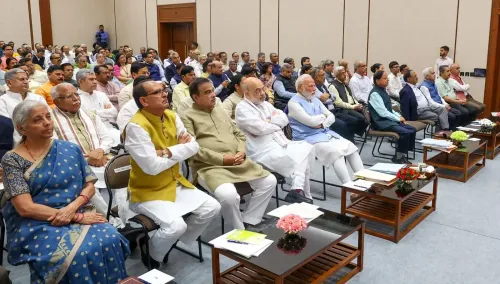
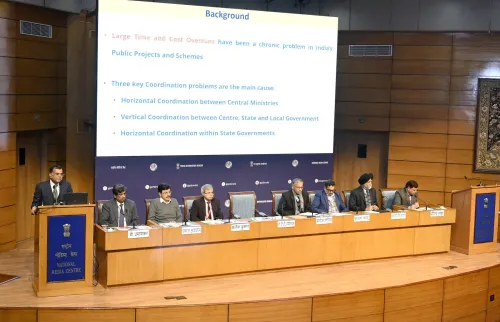
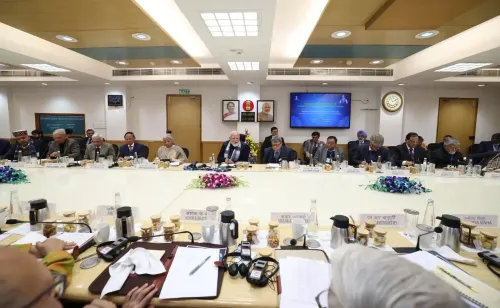
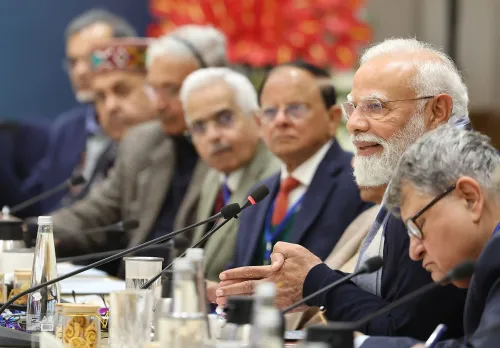
Prime Minister Narendra Modi on Saturday, 6 June 2026, chaired a meeting of the Economic Advisory Council to the Prime Minister (EAC-PM), deliberating on a broad range of issues related to India's economic transformation and long-term development priorities, including measures to accelerate the ongoing reforms journey.
Context
The EAC-PM is a body of independent economists constituted in September 2017 to provide the Prime Minister with external, evidence-based advice on macroeconomic policy and growth strategy. It is reconstituted at intervals and functions as a high-level sounding board distinct from the government's in-house economic apparatus. Periodic meetings of this council are a key mechanism through which the Prime Minister's Office reviews economic progress and calibrates policy direction.
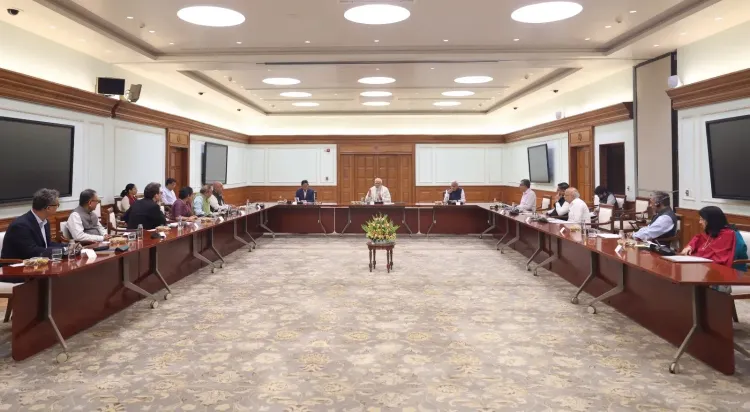
In his post on X, Prime Minister Modi stated that participants 'deliberated on a wide range of issues relating to India's economic transformation and long-term development priorities' and also 'shared perspectives on adding more momentum to the reforms journey.' The post was accompanied by an image from the meeting.
Policy Backdrop
Since 2014, successive Modi governments have pursued a sequence of structural reforms aimed at formalisation, digitisation, and infrastructure-led growth. Landmark milestones include the Insolvency and Bankruptcy Code enacted in May 2016, the rollout of the Goods and Services Tax on 1 July 2017, and the Atmanirbhar Bharat package announced in May 2020 to support post-pandemic economic recovery through targeted reforms and self-reliance measures.
These interventions form the policy lineage within which the EAC-PM now operates, providing course-correction inputs as the government pursues its long-term vision — Viksit Bharat 2047 — of transforming India into a developed economy by the centenary of its independence.
Stakeholders and Impact
The deliberations of the EAC-PM have direct relevance for a wide set of stakeholders: central and state government policymakers who translate advisory inputs into legislation and budget allocations, the private sector that calibrates investment decisions based on reform signals, and state governments that must align their own fiscal and developmental frameworks with national priorities.
Any momentum added to the reforms journey — as referenced by Prime Minister Modi — could influence upcoming policy announcements, particularly in areas such as ease of doing business, infrastructure financing, and labour market formalisation, all of which remain active items on the government's economic agenda.
What's Next
Observers will watch closely for follow-up announcements in the next Union Budget or Economic Survey that may reflect priorities discussed at this meeting. Sector-specific working groups or implementation roadmaps could emerge from the council's recommendations in the weeks ahead.
The meeting signals that the government is actively engaging independent economic expertise as it seeks to sustain reform momentum — a pattern consistent with the administration's approach of using the EAC-PM as a bridge between academic rigour and executive policymaking ahead of major fiscal milestones.
Point of View
Not cruise control. Framing the agenda around 'momentum' and 'long-term priorities' suggests the administration is positioning itself ahead of a major fiscal event, likely the Union Budget, where reform optics matter. The invocation of independent economic expertise also serves to lend technocratic credibility to what is fundamentally a political reform narrative. Taken together, this fits a well-established pattern: the Modi government uses institutional forums like the EAC-PM to road-test ideas and build consensus before committing to public announcements.
NationPress
21 Oct 2026
Frequently Asked Questions
What is the Economic Advisory Council to the Prime Minister?
The Economic Advisory Council to the Prime Minister (EAC-PM) is an independent body of economists constituted in September 2017 to advise the Prime Minister on macroeconomic issues, growth strategy, and policy priorities. It is reconstituted periodically and provides external, evidence-based inputs to the government.
What was discussed in the EAC-PM meeting chaired by PM Modi on 6 June 2026?
According to Prime Minister Modi's post, the meeting deliberated on a wide range of issues relating to India's economic transformation, long-term development priorities, and ways to add momentum to the ongoing reforms journey. Specific agenda items and decisions have not been officially detailed.
What is Viksit Bharat 2047?
Viksit Bharat 2047 is the Indian government's long-term national vision to transform India into a fully developed economy by 2047, the centenary of its independence. It serves as the overarching framework for current economic planning and reform initiatives.
What major economic reforms has the Modi government introduced since 2014?
Key reforms include the Insolvency and Bankruptcy Code enacted in May 2016, the Goods and Services Tax launched on 1 July 2017, and the Atmanirbhar Bharat stimulus package announced in May 2020. These form the structural backbone of the government's economic transformation agenda.
What can we expect after the EAC-PM meeting in June 2026?
Analysts expect possible follow-up announcements in the next Union Budget or Economic Survey reflecting priorities discussed at the meeting. Sector-specific working groups or policy roadmaps may also emerge from the council's recommendations in the coming weeks.