PM Modi Reaffirms India-Indonesia G20 Global South Partnership
Synopsis
Prime Minister Narendra Modi on 7 July 2026 highlighted the shared Global South focus of India's 2023 and Indonesia's 2022 G20 presidencies, pledging continued bilateral cooperation to keep developing-world priorities at the centre of the global agenda.
Key Takeaways
Prime Minister Narendra Modi publicly linked Indonesia's 2022 and India's 2023 G20 presidencies as consecutive champions of Global South priorities.
India hosted the G20 New Delhi Summit in September 2023 under the theme Vasudhaiva Kutumbakam ; Indonesia hosted the Bali Summit in November 2022 .
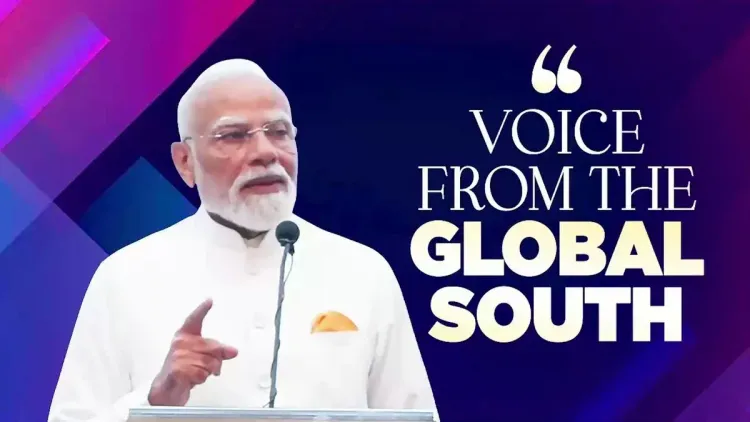
India launched the Voice of Global South Summit in January 2023 to consolidate developing-nation positions ahead of its G20 chairmanship.
Both nations are positioned as leading advocates for reform of multilateral institutions on climate finance, digital infrastructure, and debt relief.
The statement signals that India-Indonesia cooperation will extend beyond bilateral trade into coordinated multilateral advocacy.
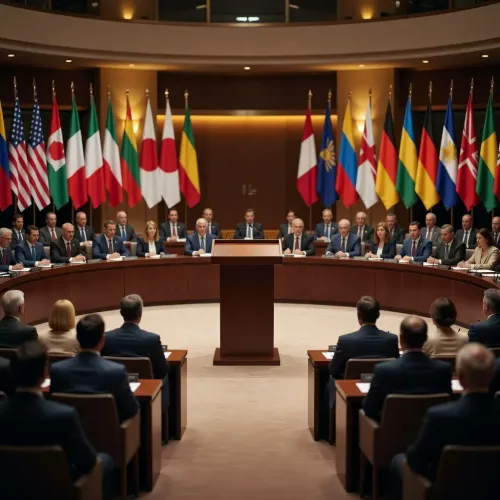
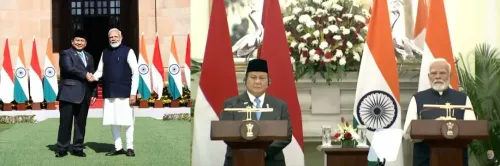
Prime Minister Narendra Modi on Tuesday, 7 July 2026 underscored the shared commitment of India and Indonesia to championing Global South priorities, drawing a direct line between both nations' recent G20 presidencies and pledging continued cooperation on the global stage.
Context
In his post, Prime Minister Modi highlighted that Indonesia's G20 Presidency in 2022 and India's G20 Presidency in 2023 were united by a common purpose: placing the priorities of the Global South at the centre of the international agenda. He affirmed that the two nations 'will continue working together in this direction' in the times ahead.
The statement signals a deliberate effort to frame the India-Indonesia bilateral relationship not merely in trade or security terms, but as a strategic partnership rooted in multilateral advocacy for developing economies.
Policy Backdrop
Indonesia held the G20 Presidency in 2022, hosting the Bali Summit in November 2022 under President Joko Widodo, with a focus on post-pandemic recovery and the digital economy. India assumed the G20 Presidency on 1 December 2022 and hosted the New Delhi Summit in September 2023 under the theme Vasudhaiva Kutumbakam (One Earth, One Family, One Future).
Ahead of its chairmanship, India launched the Voice of Global South Summit in January 2023 to consolidate the positions of developing nations. The two consecutive presidencies effectively gave the Global South a sustained platform at the G20 for back-to-back years — a continuity that Prime Minister Modi is now explicitly invoking as a foundation for future joint action.
Both nations are among the largest democracies in the Indo-Pacific and share an interest in reforming multilateral institutions to better reflect the weight and needs of emerging economies on issues ranging from climate finance to digital public infrastructure and sovereign debt restructuring.
Stakeholders and Impact
The principal beneficiaries of the India-Indonesia alignment are the broader community of Global South nations — developing and emerging economies across Asia, Africa, and Latin America — that have long argued their concerns receive insufficient attention in forums dominated by advanced economies.
For India, sustaining this partnership reinforces its self-positioning as a leading voice for the developing world, a posture that carries diplomatic weight at the G20, ASEAN, and other multilateral forums. For Indonesia, alignment with New Delhi strengthens its own standing as a pivotal middle power in the Indo-Pacific.
What's Next
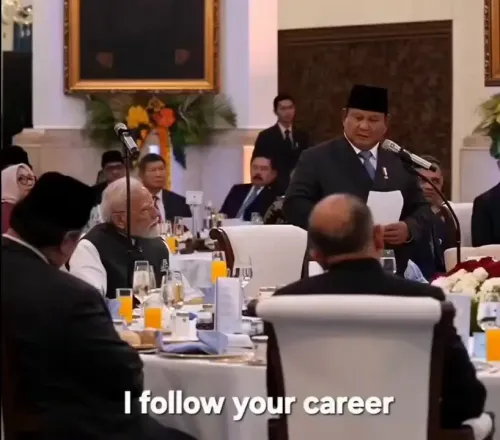
Observers will watch for concrete follow-through — joint initiatives or coordinated positions at upcoming G20, ASEAN, or other multilateral meetings on priority issues such as climate finance, digital public infrastructure, and debt relief for developing nations. The post was accompanied by a video, suggesting a broader communication or diplomatic engagement whose full details will emerge in subsequent official readouts.
The sustained emphasis on Global South solidarity by two of the Indo-Pacific's largest democracies is likely to shape the texture of multilateral negotiations in the years ahead, particularly as the G20 presidency continues to rotate among emerging economies.
Point of View
Modi signals that New Delhi's multilateral ambitions are best pursued through like-minded Indo-Pacific partners rather than through alignment with any single great power. This reflects a broader pattern in Indian foreign policy of cultivating strategic autonomy while building institutional weight through coalitions. The key test will be whether the stated continuity translates into coordinated positions on substantive issues — climate finance, debt architecture, digital public goods — where Global South interests often diverge from those of the G7 core.
NationPress
7 Jul 2026
Frequently Asked Questions
What did PM Modi say about India and Indonesia's G20 presidencies?
PM Modi stated that both Indonesia's G20 Presidency in 2022 and India's G20 Presidency in 2023 sought to bring Global South priorities to the centre of the global agenda, and pledged that the two nations would continue working together in this direction.
When did India hold the G20 Presidency?
India held the G20 Presidency from 1 December 2022 and hosted the New Delhi Summit in September 2023 under the theme Vasudhaiva Kutumbakam .
What is the Global South and why does it matter at the G20?
The Global South refers broadly to developing and emerging economies across Asia, Africa, and Latin America. These nations have long argued that the G20 — historically dominated by advanced economies — insufficiently addresses issues like climate finance, sovereign debt, and digital development that are critical to their growth.
What is India's Voice of Global South Summit?
India launched the Voice of Global South Summit in January 2023 to gather the priorities of developing nations and reflect them in India's G20 agenda, making it a key instrument of New Delhi's multilateral diplomacy during its chairmanship.
How are India and Indonesia cooperating beyond the G20?
India and Indonesia are both large Indo-Pacific democracies with shared interests in inclusive multilateralism, Indo-Pacific stability, and reform of global institutions. Their cooperation spans G20, ASEAN, and other multilateral forums on issues including digital infrastructure and climate finance.