PM Modi Urges Indians to Buy Khadi This Festive Season
Synopsis
Prime Minister Narendra Modi on 26 July 2026 urged Indians to buy at least one Khadi product during the upcoming festive season, pointing to 12 years of rising sales and the fabric's role in sustaining rural artisans and local enterprise under the Atmanirbhar Bharat vision.
Key Takeaways
PM Modi posted on 26 July 2026 urging citizens to buy at least one Khadi product during the festive season.
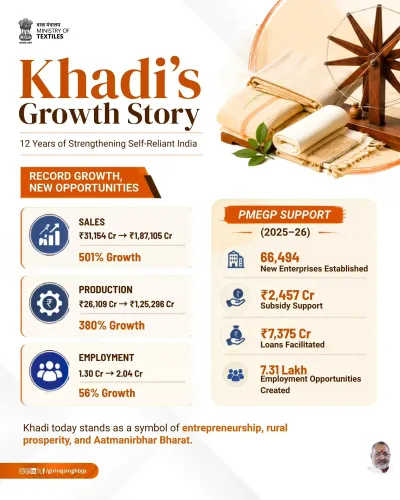
He cited 12 years of significant sales growth as evidence of Khadi's resurgence.
The Khadi and Village Industries Commission (KVIC) , established in 1956 , is the statutory body overseeing Khadi promotion under the MSME ministry.
Khadi's symbolic roots trace to Mahatma Gandhi's Swadeshi movement of the 1920s–1940s .
The appeal aligns with the Atmanirbhar Bharat framework, which promotes domestic manufacturing and local enterprise.
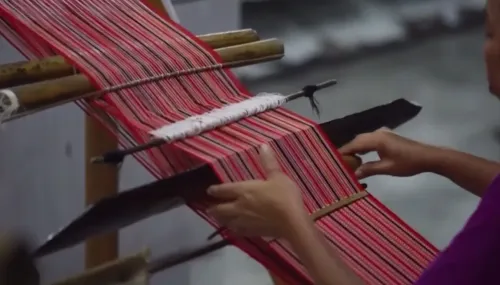
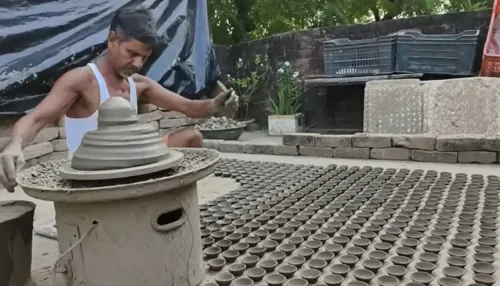
Rural artisans and village cooperatives across states such as Uttar Pradesh , Gujarat , and Rajasthan stand to benefit from increased festive-season demand.
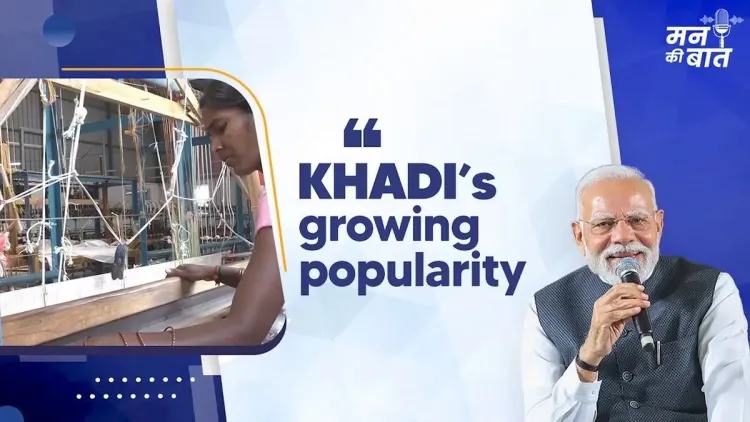
Prime Minister Narendra Modi on Sunday, 26 July 2026, called on citizens across India to purchase at least one Khadi product during the upcoming festive season, citing a significant rise in Khadi sales over the past 12 years and crediting the trend with strengthening local enterprise and creating livelihoods for artisans.
Context
In his post on X, PM Modi wrote: 'Khadi is witnessing a remarkable resurgence, with its sales rising significantly over the last 12 years. This growing popularity is strengthening local enterprise and creating opportunities for countless artisans.' He concluded with a direct appeal: 'During the upcoming festive season, let us buy at least one Khadi.'
The appeal arrives ahead of a festive calendar that typically runs from August through November, encompassing Independence Day, Dussehra, Diwali, and several regional celebrations — a period that historically accounts for a disproportionate share of retail consumption in India.
Policy Backdrop
Khadi's modern institutional backbone is the Khadi and Village Industries Commission (KVIC), a statutory body under the Ministry of Micro, Small and Medium Enterprises, established in 1956 to promote Khadi production and support rural artisans. The fabric's symbolic weight dates to the 1920s–1940s, when Mahatma Gandhi championed it as the centrepiece of the Swadeshi (self-reliance) movement during the freedom struggle.
Under the current administration, Khadi promotion has been woven into the broader Atmanirbhar Bharat (Self-Reliant India) framework, which seeks to boost domestic manufacturing, reduce import dependence, and channel consumption toward locally produced goods. Successive governments have supported the sector through retail expansion, branding initiatives, and integration with rural employment schemes.
Stakeholders and Impact
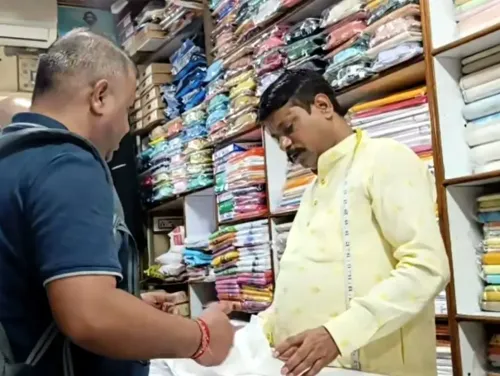
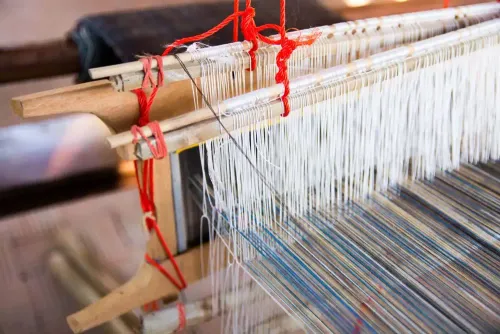
The primary beneficiaries of a Khadi sales uptick are rural artisans and village enterprises — a constituency that spans handloom weavers, spinners, and small-batch manufacturers spread across states including Uttar Pradesh, Gujarat, West Bengal, and Rajasthan. KVIC's network of outlets and online portals serves as the principal retail channel, supplemented by tie-ups with e-commerce platforms.
A sustained increase in consumer demand during the festive season can translate directly into higher piece-rate earnings for artisans and expanded order books for village cooperatives. Policy analysts note that festive-season Khadi campaigns have, in past years, produced measurable short-term sales spikes that also generate media visibility for the broader handloom and handicraft sector.
What's Next
Observers will watch for KVIC sales and employment data releases in the months following the festive season, which typically offer the clearest quantitative read on whether consumer appeals translate into ground-level economic gains for artisans. Any new MSME ministry announcements on artisan support schemes or Khadi branding partnerships during this window could amplify the impact of the Prime Minister's call to action.
With India's handloom and handicraft sector competing for consumer attention alongside fast fashion and imported goods, the festive season represents a critical annual inflection point — and PM Modi's direct appeal from one of the country's most-followed social media accounts is aimed squarely at shifting that balance in favour of local craft.
Point of View
But its consistency is itself politically significant: it reinforces the administration's positioning of traditional craft revival as both economic policy and cultural assertion. By anchoring the message in 12 years of sales data, the post implicitly frames Khadi's resurgence as a governance achievement rather than a spontaneous market trend. The invocation of artisan livelihoods also keeps the BJP's rural constituency engaged at a moment when consumption-led messaging is central to the party's economic narrative. Longer term, the real test will be whether institutional support from KVIC and the MSME ministry translates the Prime Minister's social media reach into durable income gains for weavers and spinners.
NationPress
26 Jul 2026
Frequently Asked Questions
Why is PM Modi asking people to buy Khadi during the festive season?
PM Modi is urging citizens to buy at least one Khadi product during the festive season to support rural artisans and local enterprises, pointing to 12 years of rising Khadi sales as evidence of growing demand that benefits village economies.
What is the Khadi and Village Industries Commission?
The Khadi and Village Industries Commission (KVIC) is a statutory body established in 1956 under India's MSME ministry. It is responsible for promoting Khadi production, supporting rural artisans, and expanding the market for village industries across the country.
What is the connection between Khadi and Mahatma Gandhi?
Mahatma Gandhi popularised Khadi as the symbol of the Swadeshi (self-reliance) movement during India's freedom struggle in the 1920s–1940s, encouraging Indians to spin and wear domestic cloth as an act of economic and political resistance against colonial rule.
How does Khadi fit into the Atmanirbhar Bharat scheme?
Khadi is promoted as a practical expression of the Atmanirbhar Bharat (Self-Reliant India) initiative, which aims to boost domestic manufacturing and reduce import dependence. Encouraging Khadi purchases channels consumer spending toward locally produced goods and rural livelihoods.
Which states are major Khadi producers in India?
Key Khadi-producing states include Uttar Pradesh, Gujarat, West Bengal, and Rajasthan, where KVIC-supported cooperatives and artisan clusters form the backbone of handloom and Khadi production.