Puri Remembers 1984 Sikh Massacre, Cites Victim Rehabilitation
Synopsis
On the 42nd anniversary of the 1984 Sikh massacre, Union Petroleum Minister Hardeep Singh Puri met survivor families, paid tribute to their resilience, and credited the Modi government with rehabilitation efforts, tagging activist-lawyer HS Phoolka in the post.
Key Takeaways
Union Petroleum Minister Hardeep Singh Puri marked the 1984 Sikh massacre anniversary on 10 November 2026 by meeting survivor families.
Puri stated the grief of families who lost loved ones 'cannot be expressed in words' and stressed the tragedy must never be forgotten.
He credited PM Narendra Modi and the central government with bringing 'new hope' to affected families through rehabilitation efforts.
Lawyer-activist HS Phoolka , a leading legal champion for 1984 victims, was tagged in the post, indicating his presence at the dialogue.
The Nanavati Commission (constituted 2000 ) is among multiple inquiry bodies that examined the riots and recommended relief measures.
Puri described survivors now living with dignity and advancing professionally as an example of 'indomitable courage.'
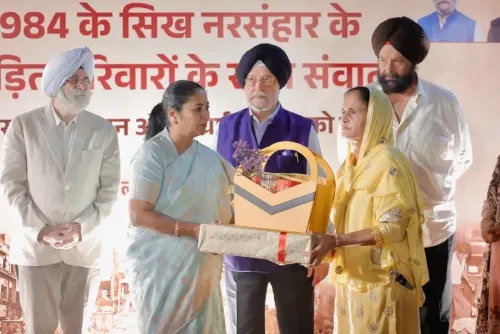
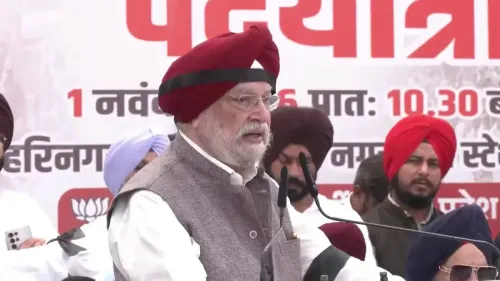
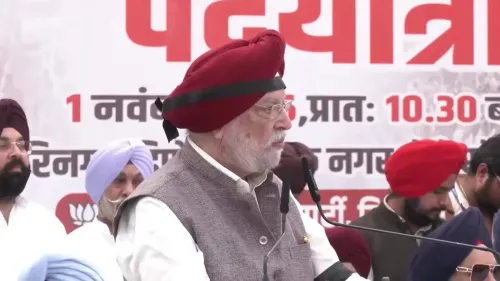
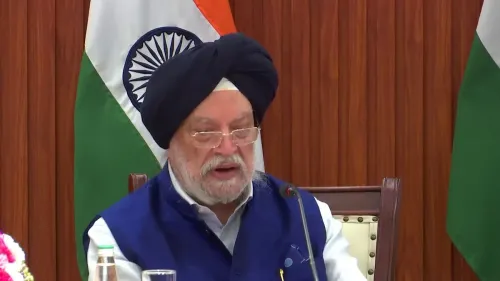
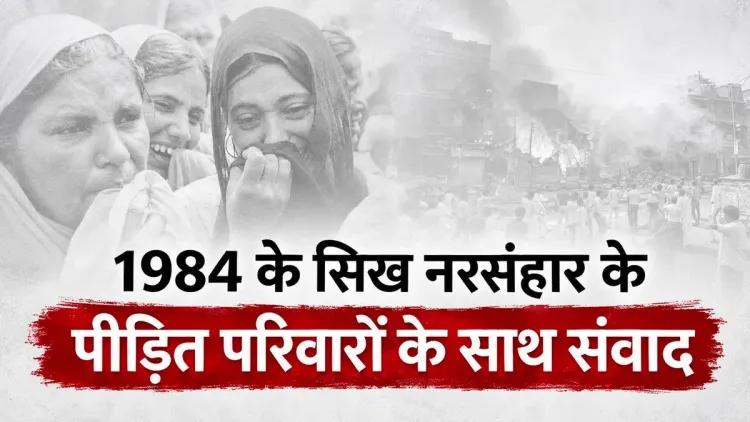
Forty-two years on, the wounds of the 1984 Sikh massacre have not fully healed — but Union Petroleum Minister Hardeep Singh Puri stood with survivors on Tuesday, 10 November 2026, to mark the anniversary, declaring that the grief of families who watched loved ones killed before their eyes 'cannot be expressed in words.'
Puri's post, shared in Hindi, opens with raw acknowledgement: 'जिन परिवारों ने अपने प्रियजनों को अपनी आँखों के सामने बेरहमी से खो दिया' — 'the families who lost their loved ones brutally before their very eyes.' He writes that the anguish of that horrific tragedy is still visible in survivors' eyes today, and stresses that remembering the 1984 Sikh genocide is essential 'so that such inhuman violence never occurs anywhere in the world again.'
From Grief to Resilience: What Puri Witnessed
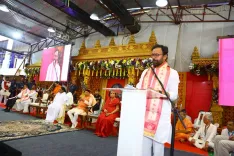
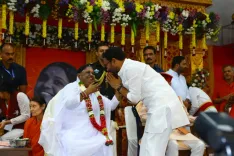
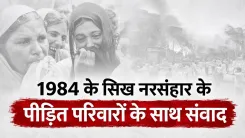
The minister described a dialogue session with victim families, sharing that many survivors have risen above their ordeals and are now living with dignity — advancing in their professional fields and achieving new milestones. He called this a testament to their 'indomitable courage, self-confidence, and never-give-up spirit.' The post is accompanied by a video of those conversations.
Puri credited Prime Minister Narendra Modi and the efforts of the central government with kindling 'new hope' in the lives of many affected families. The post tags senior political and civic figures including lawyer-activist HS Phoolka, who has spent decades pursuing legal justice and compensation for 1984 riot victims through the courts.
Four Decades of Inquiry and Incomplete Accountability
The 1984 anti-Sikh riots erupted across India — most lethally in Delhi — in the days following the assassination of Prime Minister Indira Gandhi in October 1984. Thousands of Sikhs were killed in coordinated mob violence. The Nanavati Commission, constituted in 2000, is among the most prominent of multiple inquiry bodies that examined the killings and recommended relief measures. Central governments have periodically revised compensation packages for victim families over the intervening decades.
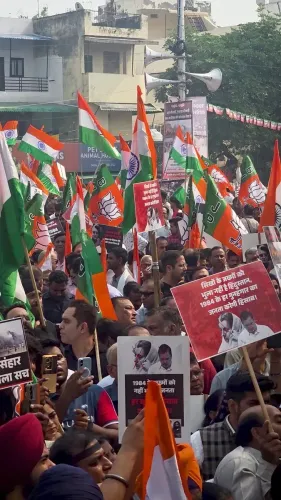
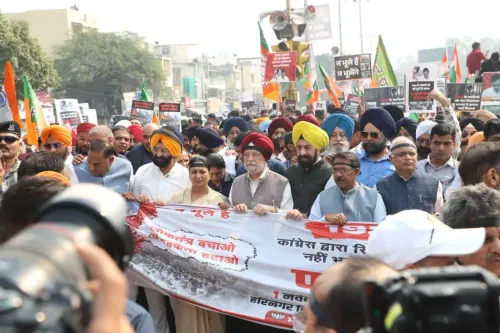
BJP leaders have consistently highlighted rehabilitation efforts under the current administration when marking the November anniversary, framing welfare schemes and survivor engagement as a contrast to what they characterise as decades of neglect under earlier governments. The annual commemoration has become a moment of both mourning and political reckoning.
HS Phoolka and the Long Road to Justice
The tagging of HS Phoolka — a lawyer and activist who has represented riot victims in court for years — signals that the gathering drew figures from across the survivor-support ecosystem, not only political circles. Phoolka's sustained legal work has resulted in convictions in select cases and kept public pressure on the question of accountability alive well into the 2020s.
For the families who attended Tuesday's dialogue, the ministerial meeting is one more step in a journey that spans four decades — a journey marked equally by institutional failures and by the quiet, fierce resilience Puri described in his post. The fight for full justice, and the work of rebuilding lives, continues.
Point of View
A figure with cross-party credibility among victims, the government signals outreach beyond its own base. The focus on survivor resilience and welfare, rather than purely on perpetrator accountability, reflects the limits of what rehabilitation policy alone can achieve in the absence of comprehensive judicial closure. As long as accountability remains contested, November will remain both a solemn memorial and a charged political moment.
NationPress
10 Nov 2026
Frequently Asked Questions
What were the 1984 Sikh riots?
The 1984 Sikh riots were widespread anti-Sikh massacres that erupted across India — most severely in Delhi — in the days following the assassination of Prime Minister Indira Gandhi in October 1984 . Thousands of Sikhs were killed in coordinated mob violence, and the events have since been the subject of multiple government inquiries and ongoing legal battles.
What has the Modi government done for 1984 riot victims?
The central government has periodically revised and increased compensation packages for 1984 riot victims ' families. Union Minister Hardeep Singh Puri has cited these efforts as bringing 'new hope' to survivor families, though specific details of the most recent schemes referenced in his November 2026 post could not be independently verified at this time.
Who is HS Phoolka and what is his role in the 1984 case?
HS Phoolka is a lawyer and activist who has spent decades representing 1984 Sikh massacre victims in court, securing convictions in select cases and keeping public pressure on accountability alive. He was tagged by Minister Puri in the 10 November 2026 post, indicating his participation in the survivor dialogue event.
What was the Nanavati Commission?
The Nanavati Commission was constituted in 2000 to inquire into the 1984 anti-Sikh riots . It is among the most prominent of several official inquiry bodies that examined the violence and recommended relief and rehabilitation measures for affected families.
Why do BJP leaders mark the 1984 Sikh massacre anniversary?
BJP leaders have made annual remembrance of the 1984 Sikh massacre a consistent political practice, using the occasion to highlight the current government's rehabilitation efforts and to contrast them with what they describe as decades of inadequate response by previous administrations. The anniversary has become a significant moment for both political outreach to the Sikh community and genuine commemoration.