CM Bhajanlal Flags Rajasthan's DMIC Edge for Industry
Synopsis
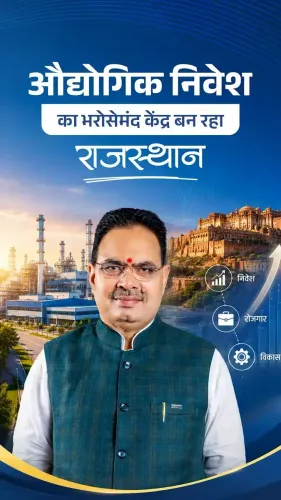
Rajasthan's CMO, citing CM Bhajanlal Sharma, highlighted on 24 May 2026 that Bhiwadi, Neemrana, and Kotputli lie along the Delhi-Mumbai Industrial Corridor near the NCR, positioning the state as a strategic manufacturing destination under the 'Aapno Agrani Rajasthan' campaign.
Key Takeaways
The Chief Minister's Office of Rajasthan posted on 24 May 2026 emphasising the state's connectivity to the Delhi-Mumbai Industrial Corridor .
Bhiwadi , Neemrana , and Kotputli were specifically named as industrial areas located near the National Capital Region .
The DMIC is a 1,483 km corridor spanning six states, launched in 2006 with Japanese assistance to boost manufacturing and logistics.
Neemrana hosts a dedicated Japanese industrial zone and a major cluster of auto-component manufacturers.
The post is part of the #आपणो_अग्रणी_राजस्थान ('Our Leading Rajasthan') campaign by the Bhajanlal Sharma government.
Progress on DMIC node notifications and land acquisition in Rajasthan remains the key metric to watch.
The Chief Minister's Office of Rajasthan on Sunday, 24 May 2026 highlighted the state's strategic positioning along the Delhi-Mumbai Industrial Corridor (DMIC), pointing to industrial clusters near the National Capital Region as a core advantage for investors and manufacturers.
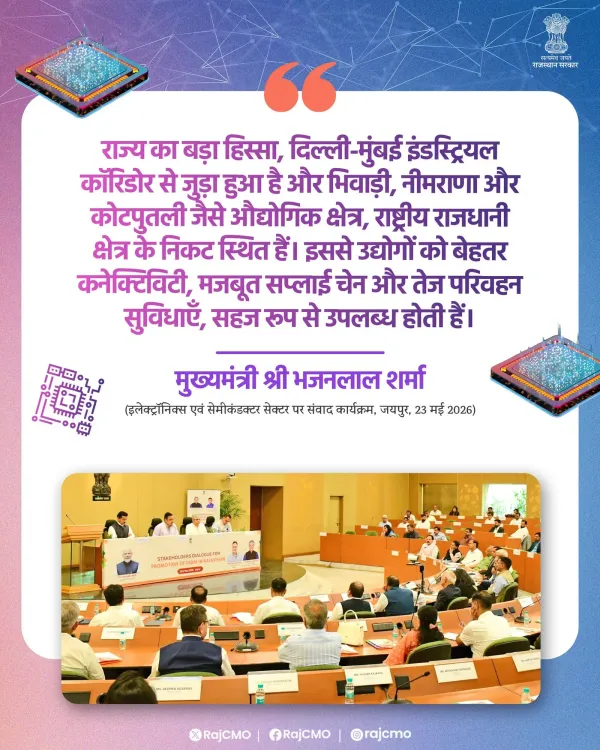
The post, attributed to Chief Minister Bhajanlal Sharma under the hashtag #आपणो_अग्रणी_राजस्थान ('Our Leading Rajasthan'), stated: 'A large part of the state is connected to the Delhi-Mumbai Industrial Corridor. Industrial areas like Bhiwadi, Neemrana, and Kotputli are located close to the National Capital Region.'
Context
The messaging is part of a sustained effort by the Bhajanlal Sharma-led government to position Rajasthan as a preferred manufacturing destination. The post underscores the state's geographic dividend — its northern and western districts sit directly along the DMIC alignment, giving industries there dual access to NCR markets and the dedicated freight corridor network.
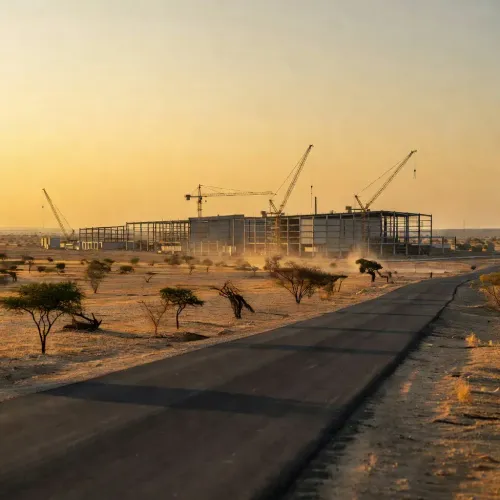
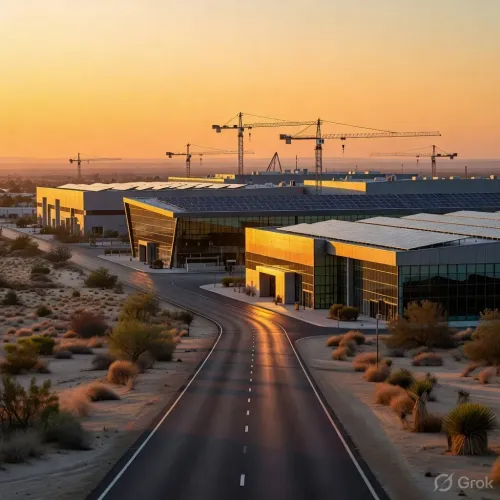
Bhiwadi in Alwar district is one of Rajasthan's most established industrial towns, hosting automotive, engineering, and chemical manufacturing units. Neemrana, also in Alwar, is home to a prominent Japanese industrial zone and a dense cluster of auto-component plants.
Policy Backdrop
The Delhi-Mumbai Industrial Corridor was formally announced in the 2006 Union Budget as a flagship infrastructure project developed with Japanese government assistance. Spanning 1,483 km across six states, it is designed to create dedicated freight movement and industrial nodes to raise India's manufacturing share in GDP and attract foreign direct investment.
Under the National Industrial Corridor Development Programme, successive central governments have prioritised multi-state corridors as structural levers for industrial growth. Rajasthan benefits from the DMIC running through its territory, with nodes at Bhiwadi, Neemrana, and Kotputli earmarked for development under the programme's phased rollout.
Stakeholders and Impact
Manufacturing investors, logistics operators, and NCR-based industrial units stand to gain most directly from the connectivity the state is promoting. Proximity to the capital region lowers supply-chain costs and transit times, making these Rajasthan clusters competitive against other industrial destinations.
The state government's public communication on DMIC linkages signals an intent to activate single-window clearance and land-availability messaging to convert corridor proximity into concrete investment commitments.
What's Next
Attention will turn to progress on DMIC node notifications and land acquisition in Rajasthan, as well as any revisions to the state's industrial policy or investor facilitation frameworks. The 'Aapno Agrani Rajasthan' campaign framing suggests the government intends to sustain this outreach ahead of potential investor summits or policy announcements.
As the DMIC's phased development continues, Rajasthan's ability to translate corridor access into operational industrial capacity will be a key indicator of whether the state's geographic advantage converts into measurable economic growth.
Point of View
Which has sought since December 2023 to differentiate the state on infrastructure credentials. Framing Bhiwadi, Neemrana, and Kotputli as NCR-adjacent industrial anchors is a standard playbook for state governments competing for post-China-plus-one manufacturing flows. The 'Aapno Agrani Rajasthan' branding suggests a concerted campaign rather than a one-off post, likely building toward a formal investment event or policy announcement. The real test will be whether corridor proximity translates into land-ready, cleared industrial parcels that can absorb investor interest.
NationPress
7 Oct 2026
Frequently Asked Questions
What is the Delhi-Mumbai Industrial Corridor and how does it affect Rajasthan?
The Delhi-Mumbai Industrial Corridor is a 1,483 km infrastructure project spanning six states, designed to create dedicated freight movement and industrial manufacturing nodes. Rajasthan benefits because the corridor runs through its northern and western districts, with nodes at Bhiwadi, Neemrana, and Kotputli.
Why are Bhiwadi and Neemrana important industrial areas in Rajasthan?
Bhiwadi, in Alwar district, is one of Rajasthan's largest industrial towns hosting automotive, engineering, and chemical units. Neemrana, also in Alwar, features a Japanese industrial zone and a major cluster of auto-component manufacturers, making both areas significant for manufacturing investment.
What is the 'Aapno Agrani Rajasthan' campaign?
'Aapno Agrani Rajasthan,' meaning 'Our Leading Rajasthan,' is a public communication campaign by the Bhajanlal Sharma government to highlight the state's development and investment potential, including its industrial and infrastructure advantages.
Who is Bhajanlal Sharma and when did he become Chief Minister of Rajasthan?
Bhajanlal Sharma is the BJP Chief Minister of Rajasthan, who assumed office in December 2023. His government has actively promoted the state's industrial connectivity and investment climate.
What industries are present in the DMIC zones of Rajasthan?
The DMIC-linked zones in Rajasthan host automotive manufacturing, auto-component production, engineering, chemical, and logistics industries, particularly concentrated in Bhiwadi and Neemrana near the National Capital Region.