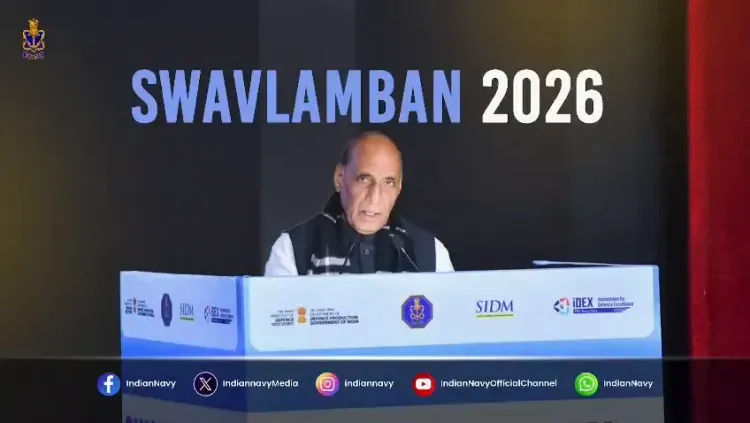
Rajnath Singh to attend Swavlamban 2026 Navy innovation summit
Synopsis
Union Defence Minister Rajnath Singh is attending Swavlamban 2026, the Indian Navy's initiative connecting industry, startups, MSMEs and academia to convert indigenous innovation into operational naval capability under the Atmanirbhar Bharat framework.
Key Takeaways
Rajnath Singh is attending Swavlamban 2026 on 26 October 2026 , the Indian Navy's self-reliance innovation summit.
The conclave unites the Indian Navy , defence industry, startups , MSMEs , and academia to build indigenous operational capabilities.
Swavlamban directly advances the Atmanirbhar Bharat Abhiyan , launched in May 2020 , which set dedicated defence indigenisation targets.
The platform is focused on converting emerging technologies into frontline naval use — bridging the gap between innovation and deployment.
Smaller firms and startups gain structured access to naval requirements, accelerating domestic defence ecosystem growth.
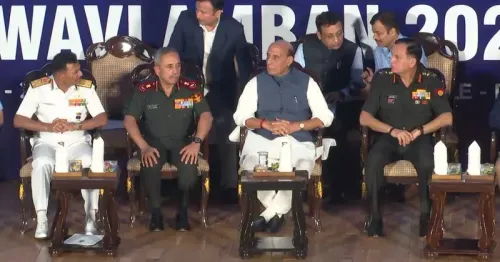
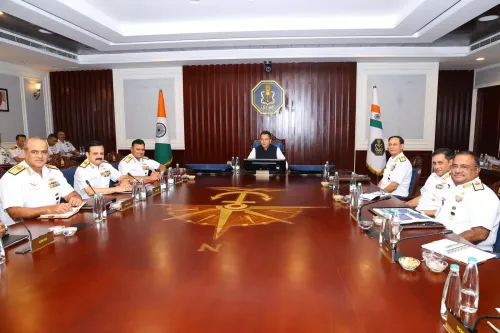
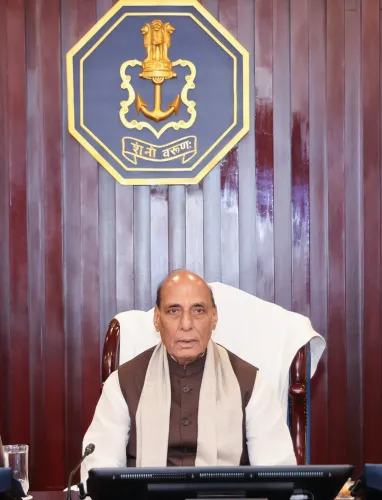
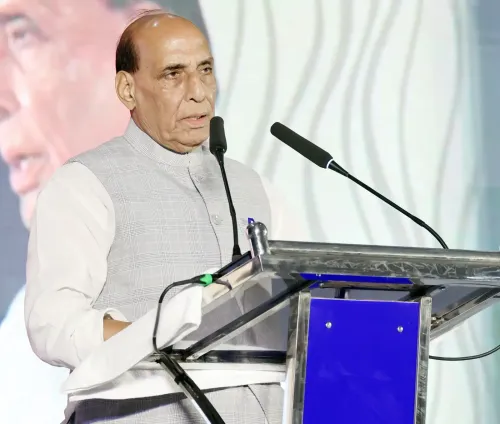
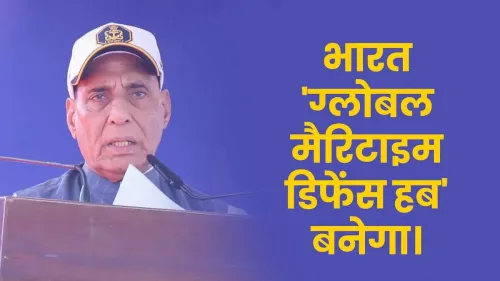
Self-reliance as a strategic weapon — that is the core idea driving Union Defence Minister Rajnath Singh to Swavlamban 2026 on Monday, 26 October 2026, the Indian Navy's flagship initiative designed to translate Indian ingenuity into frontline military capability.
What Swavlamban is — and why it matters to the Navy's future
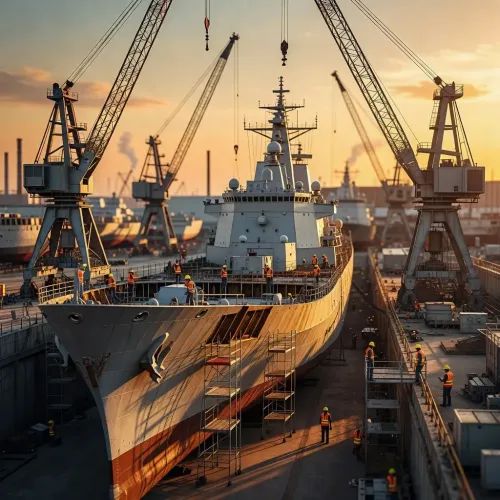
Swavlamban, whose name means 'self-reliance' in Hindi, is an Indian Navy-led conclave that brings together defence industry players, startups, MSMEs, and academic institutions under one roof with a single mandate: accelerate indigenous innovation for operational naval use. The platform is designed to close the gap between laboratory-stage ideas and actual deployment on warships, submarines, and coastal systems.
Singh framed the event's purpose in his post as 'नवाचार और स्वदेशीकरण से शक्ति एवं सामर्थ्य' — 'strength and capability through innovation and indigenisation' — a line that doubles as both a slogan and a strategic doctrine. The Defence Minister described Swavlamban as 'transforming Indian ingenuity into operational capabilities and paving the way for a stronger, self-reliant and future-ready Navy.'
Roots in Atmanirbhar Bharat — six years and counting
Swavlamban 2026 is the latest chapter in a policy arc that began when the Atmanirbhar Bharat Abhiyan was announced in May 2020, explicitly targeting defence manufacturing as a pillar of national self-reliance. Since then, successive positive indigenisation lists have barred imports of hundreds of defence items, pushing the armed forces and industry to source domestically.
The Indian Navy has been among the most aggressive adopters of this framework, commissioning indigenous warships and pushing its vendor ecosystem to develop everything from propulsion components to advanced sensors. Swavlamban operationalises that push at the ecosystem level — giving startups and MSMEs direct access to naval requirements and decision-makers. Small firms that might otherwise struggle to navigate defence procurement now have a structured pathway in.
Startups and MSMEs at the sharp end of naval power
The deliberate inclusion of startups and MSMEs alongside established industry signals a bet on the innovation layer rather than just the production layer. Emerging technologies — the phrase Singh uses explicitly — points toward areas such as autonomous systems, AI-enabled surveillance, and advanced materials, domains where agile smaller firms can often move faster than legacy defence contractors.
India's broader defence export and indigenisation numbers have grown sharply over the past half-decade, and the Navy's long-term capability roadmap increasingly depends on domestic sources for critical subsystems. What Swavlamban 2026 could yield — contracts, technology adoption decisions, or new development partnerships — will be the metric to watch in the weeks following the conclave.
For India's maritime ambitions, the pipeline that flows from a summit like this one may matter as much as the warships already in the water.
Point of View
Structured procurement ecosystem. The Navy's consistent use of Swavlamban as a bridge between startups and operational requirements reflects a deliberate strategy to diversify the supplier base beyond legacy public-sector firms. At a time when India is simultaneously expanding its naval footprint and trying to reduce import dependence, events like this serve both as policy signalling and as practical deal-making pipelines. The real test will be how many Swavlamban-introduced technologies actually reach fleet deployment within the Navy's near-term capability roadmap.
NationPress
26 Oct 2026
Frequently Asked Questions
What is Swavlamban 2026?
Swavlamban 2026 is the Indian Navy's flagship conclave promoting indigenous defence innovation. It brings together the Navy, industry, startups, MSMEs, and academia to develop and adopt domestically built technologies for operational naval use.
Why is Rajnath Singh attending Swavlamban 2026?
As Union Defence Minister, Rajnath Singh is attending Swavlamban 2026 to advance India's Atmanirbhar Bharat defence indigenisation agenda, supporting the Navy's push to convert homegrown innovation into frontline military capability.
What is the Atmanirbhar Bharat Abhiyan in defence?
Atmanirbhar Bharat Abhiyan was launched in May 2020 as a national self-reliance programme with specific defence manufacturing targets. It introduced positive indigenisation lists that bar imports of certain defence items, pushing the armed forces to source equipment domestically.
How does Swavlamban help Indian defence startups?
Swavlamban gives startups and MSMEs direct access to the Indian Navy's requirements and decision-makers, providing a structured pathway into defence procurement that these smaller firms might otherwise struggle to navigate independently.
What emerging technologies is the Indian Navy focusing on through Swavlamban?
While specific programme details for the 2026 edition are not yet confirmed, the Indian Navy's indigenisation push broadly covers autonomous systems, AI-enabled surveillance, advanced materials, and critical subsystems for warships and submarines.