Supreme Court: Right to protest absolute, but must follow Police Act
Synopsis
The Supreme Court drew a sharp constitutional line on Sunday: the right to protest is inviolable, but the manner of protest must operate within the Police Act. With contempt petitions alleging Metro shutdowns and internet cuts, the case has grown into a live test of whether executive power can constrain fundamental freedoms in the name of public order — and the bench is watching closely.
Key Takeaways
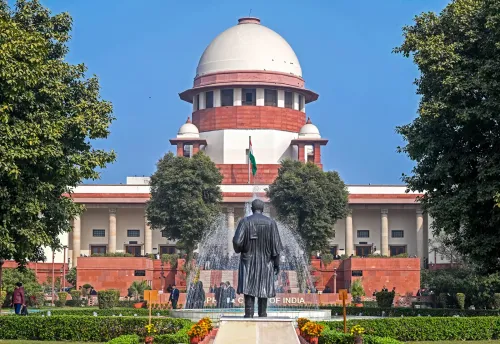
The Supreme Court on 11 October 2026 held that the right to protest is absolute, but must be exercised within the framework of the Police Act .
A bench of Justice Joymalya Bagchi and Justice V.
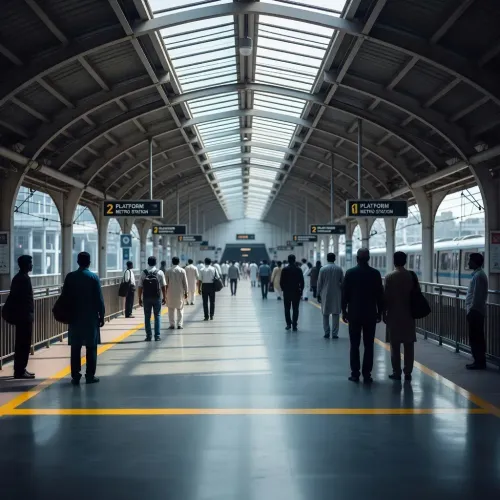
Mohana directed authorities to restore normal Metro and railway services and ensure unhindered internet access in New Delhi .
The court ruled there should be no illegal detention for peaceful, unarmed gatherings beyond the area covered by Section 163 BNSS prohibitory orders.
Senior advocate Kapil Sibal argued no police law can override Article 19(1)(a) protections; Solicitor General Tushar Mehta objected on behalf of the Centre .
Alleged contemnors must file counter-affidavits and a compliance report by Tuesday ; next hearing listed for 13 October 2026 .
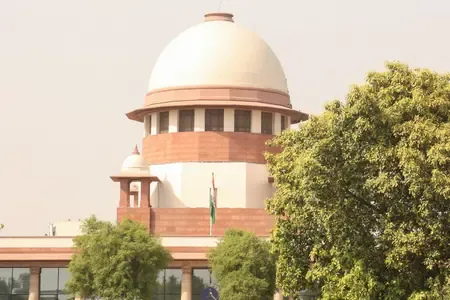
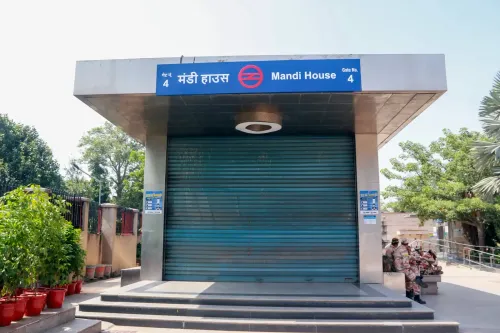
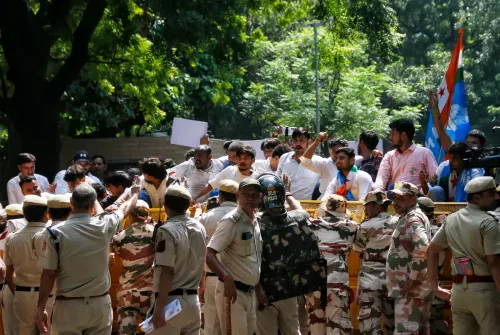
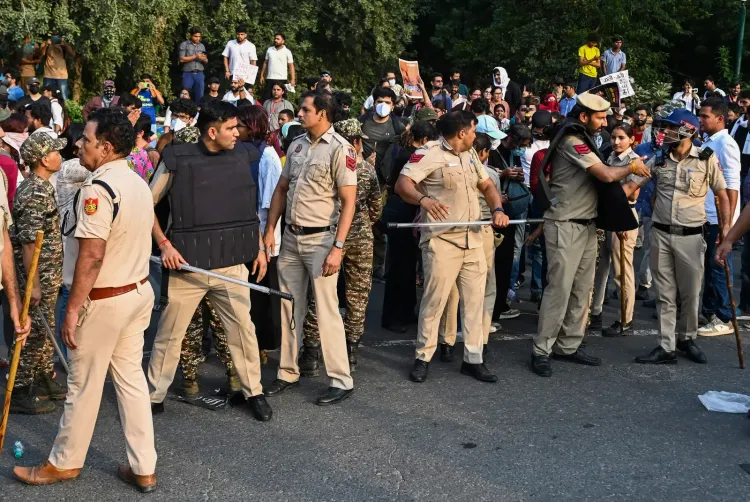
The Supreme Court on Sunday, 11 October 2026, orally observed that while citizens' right to protest is beyond dispute, the manner in which demonstrations are held must comply with the Police Act — underscoring that fundamental rights cannot be exercised in isolation from the procedure prescribed by law. The remarks came during an urgent hearing into contempt petitions alleging violations of the court's earlier directions on public transport restrictions and movement of people in New Delhi ahead of a proposed demonstration against Chief Election Commissioner (CEC) Gyanesh Kumar.
What the Court Said
A bench comprising Justice Joymalya Bagchi and Justice V. Mohana stated plainly: 'You have a right to protest, absolutely no quarrel on that, but the process in which you protest has to be within the Police Act.' Justice Bagchi further indicated that the apex court would examine the extent to which the Police Act's requirements are in sync with the constitutional guarantee of freedom of expression under Article 19 of the Constitution. The bench made clear that protesters cannot claim their right to demonstrate operates beyond the Police Act's framework, while reiterating that the process of holding a demonstration must conform to the law.
Arguments Before the Bench
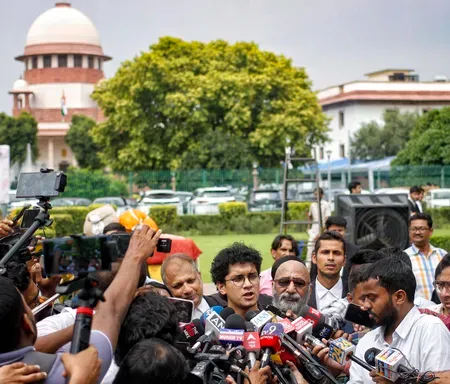
Senior advocate Kapil Sibal, appearing for the petitioners, argued that Section 163 of the Bharatiya Nagarik Suraksha Sanhita (BNSS) could not be invoked beyond the four-kilometre area covered by the prohibitory restrictions. He contended that there could be no detention, obstruction to traffic, or barricading outside the notified area, and that citizens should be permitted to hold peaceful protests even within the restricted zone, subject to public order. Sibal also maintained that citizens were entitled to protest without being required to submit a prior application to authorities, as a designated demonstration site was available. He further argued that no police law could override the protections guaranteed under Article 19(1)(a), subject only to the reasonable restrictions permitted under Article 19(2). Solicitor General Tushar Mehta, representing the Centre, objected to the petitioners' submissions.
Key Directions Issued
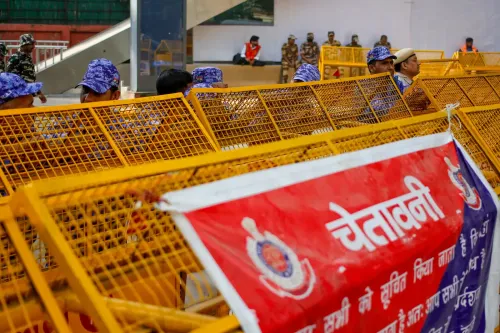
In its order passed on Sunday, the Justice Bagchi-led bench directed authorities to ensure that Metro trains and railway facilities function normally, subject to reasonable restrictions under Article 19(2), and that internet services remain unhindered. The court also directed that the free movement of people be ensured, subject to law and order and traffic regulations, and that barricades on roads be reviewed forthwith to minimise public inconvenience. The bench made it unambiguous that there should be no illegal detention — particularly in cases involving peaceful and unarmed gatherings — beyond the area where prohibitory orders under Section 163 of the BNSS were operative. Taking note of the Solicitor General's submission that internet connectivity had been restored and all Metro stations were functional, the court recorded the assurance that lawyers, journalists, and other professionals would not be obstructed in discharging their professional duties.
Internet and Press Freedom Concerns
Sibal also sought interim directions for the restoration of internet services across the national capital and raised concerns about journalists being prevented from performing their professional duties — both within and outside the affected area. The court's order recording the government's assurance on internet restoration and journalist access signals that these concerns were treated with urgency. Notably, this dimension of the case — restrictions on press access and digital connectivity in a democratic protest context — adds a dimension beyond the immediate law-and-order question.
Background and What's Next
The hearing arose from contempt petitions alleging wilful disobedience of the court's 9 October order, which had directed authorities to reconsider restrictions on Metro and railway services ahead of the proposed protest, clarifying that public transport could be regulated but not outright prohibited. Alleged contemnors have been directed to file counter-affidavits and a compliance report by Tuesday, explaining their adherence to the earlier directions. The matter has been listed for further hearing on 13 October, along with related petitions seeking intervention. The case is shaping up as a significant constitutional moment — one that could clarify the interplay between police powers under the BNSS and the fundamental right to protest.
Point of View
Metro closures, and journalist obstruction — the bench is navigating a careful balance that neither fully endorses executive overreach nor hands protesters a blank cheque. The deeper constitutional question — whether the Police Act's procedural requirements can condition the exercise of Article 19(1)(a) rights — remains unsettled and will require a fuller hearing. That ambiguity is precisely the space in which authorities have historically operated, and the court's insistence on a compliance report by Tuesday suggests it is aware of that risk.
NationPress
11 Oct 2026
Frequently Asked Questions
What did the Supreme Court say about the right to protest on 11 October 2026?
The Supreme Court orally observed that the right to protest is absolute and undisputed, but the manner in which demonstrations are held must comply with the Police Act. The bench stressed that fundamental rights cannot be exercised outside the procedure prescribed by law.
What is Section 163 of the BNSS and how does it relate to this case?
Section 163 of the Bharatiya Nagarik Suraksha Sanhita (BNSS) empowers authorities to impose prohibitory orders in a defined area. Senior advocate Kapil Sibal argued that the provision could not be invoked beyond the four-kilometre zone covered by the restrictions, and that detention, barricading, or traffic obstruction outside that area was unlawful.
What directions did the Supreme Court issue regarding Metro and internet services?
The court directed that Metro trains and railway services function normally, internet services remain unhindered, and free movement of people be ensured subject to law and order. It also ordered that road barricades be reviewed immediately to reduce public inconvenience.
Why was the Supreme Court hearing treated as urgent?
The hearing arose from contempt petitions alleging wilful disobedience of the court's 9 October order, which had directed authorities to reconsider restrictions on public transport ahead of a proposed protest against Chief Election Commissioner Gyanesh Kumar. The alleged violations — including Metro shutdowns and internet disruptions — prompted the urgent Sunday sitting.
What happens next in this case?
Alleged contemnors have been directed to file counter-affidavits and a compliance report by Tuesday, detailing their adherence to the 9 October directions. The matter is listed for further hearing on 13 October 2026, along with related petitions seeking court intervention.