Rijiju: Cabinet Clears MSP Hike for All Rabi Crops 2027-28

Synopsis
The Union Cabinet has approved higher MSP for all mandated Rabi crops for Marketing Season 2027-28, Union Minister Kiren Rijiju announced on 30 September 2026. The move aims to guarantee better farm incomes, promote crop diversification, and extend the Modi government's policy of pricing MSP at least 50 percent above production cost.
Key Takeaways
The Union Cabinet approved an MSP increase for all mandated Rabi crops for Marketing Season 2027-28 on 30 September 2026 .
The decision was announced by Union Minister Kiren Rijiju and attributed to the leadership of PM Narendra Modi .
Government policy since 2014 mandates MSP be fixed at a minimum of 50 percent above the cost of production .
The revision is designed to deliver better remunerative prices, encourage crop diversification , and strengthen farmer income security.
MSP covers 23 mandated crops ; the Rabi season's flagship crop is wheat , alongside pulses and oilseeds.
Crop-wise rate specifics are yet to be published; procurement operations and sowing trends will be the next key indicators to watch.
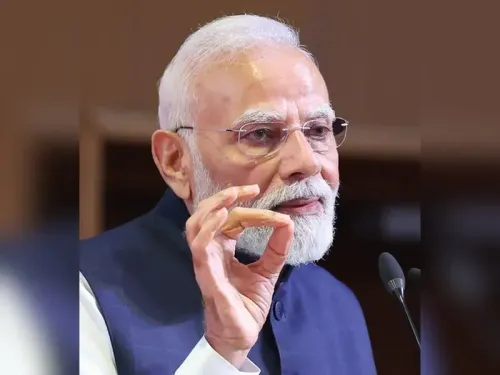
Every season, the question that shapes life across India's farm belts is the same: will the price be worth the labour? On Wednesday, 30 September 2026, Union Parliamentary Affairs and Minority Affairs Minister Kiren Rijiju announced that the Union Cabinet, under Prime Minister Narendra Modi, has approved an increase in the Minimum Support Price (MSP) for all mandated Rabi crops for Marketing Season 2027-28 — a decision the government says will deliver better remunerative prices, nudge crop diversification, and reinforce income security for farmers across the country.
What the Cabinet approved — and why it matters
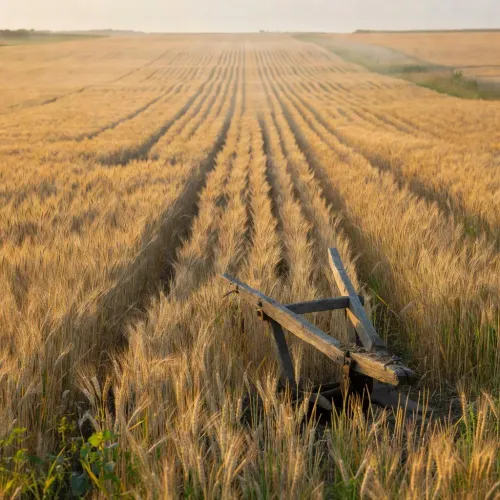
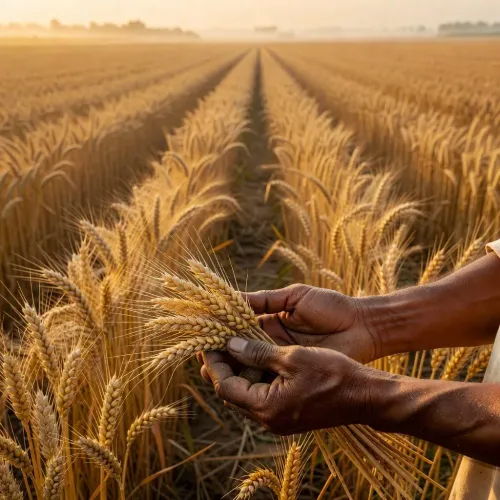
The MSP is the government-guaranteed price floor across 23 mandated crops, designed so that no farmer sells below a minimum return regardless of market fluctuations. Rijiju, posting on X, described the move as 'a significant decision for our hardworking farmers' and reaffirmed the government's commitment to the welfare of Annadatas — the food-givers, as farmers are often called in official discourse. The Rabi season covers winter-sown crops harvested in spring, with wheat as the flagship staple alongside pulses and oilseeds.
Since 2014, the government's stated policy has been to fix MSP at a minimum of 50 percent above the cost of production for mandated crops — a benchmark that has anchored each annual revision. The Cabinet's approval for 2027-28 continues that trajectory, though crop-wise rate specifics are yet to be officially published in granular detail.
Diversification push woven into the announcement
The government's framing is deliberate: alongside income support, the MSP revision is pitched as a tool to encourage farmers to shift away from water-intensive staples. Differential pricing across crops — rewarding pulses and oilseeds more generously relative to their production cost — has been the mechanism used in recent seasons to steer sowing patterns. The announcement lands as India continues to grapple with groundwater depletion in key wheat-and-rice belts, making diversification a genuine policy priority, not just a talking point.
The MSP architecture works in tandem with complementary programmes: the PM-KISAN direct income transfer scheme and the government's crop insurance framework collectively form the three-legged stool of the current farm-support strategy.
What farmers and markets will watch next
The announcement sets the floor. The real test comes at procurement — whether government agencies buy at or above MSP across mandis, and whether sowing data for the 2027-28 Rabi season reflects the diversification the policy intends. The next major agricultural pricing decision on the calendar will be the Cabinet's revision of Kharif MSP rates, typically announced ahead of the summer sowing window.
For now, the Cabinet's green light sends a clear signal to farming communities from Punjab to Madhya Pradesh to Rajasthan: the price floor holds, and it has moved upward.
The Annadatas have a number. Whether the market honours it is the next chapter.
Point of View
And the 2027-28 Rabi announcement follows a well-worn playbook — but the diversification framing signals a more structural ambition: using price signals to reshape what India grows, not just what farmers earn. The 50-percent-above-cost benchmark, institutionalised since 2014, gives the government a defensible floor against opposition criticism, even as activists argue that effective procurement — not just announced prices — is the real test. With PM-KISAN transfers and crop insurance running in parallel, the MSP hike is one pillar of a broader income-support architecture that the BJP has made central to its rural political economy ahead of state election cycles.
NationPress
30 Sept 2026
Frequently Asked Questions
What is MSP and which Rabi crops are covered?
MSP, or Minimum Support Price, is a government-guaranteed price floor that ensures farmers receive at least a minimum return for their produce. It covers 23 mandated crops; key Rabi crops include wheat, barley, gram, lentil, rapeseed-mustard, and safflower.
What did the Union Cabinet decide on 30 September 2026 regarding MSP?
The Union Cabinet approved an increase in MSP for all mandated Rabi crops for Marketing Season 2027-28, aimed at providing better remunerative prices, encouraging crop diversification, and strengthening farmer income security.
What is the government's policy on how MSP is calculated?
Since 2014, government policy mandates that MSP be fixed at a minimum of 50 percent above the cost of production for all mandated crops, ensuring a guaranteed profit margin for farmers.
How does MSP relate to crop diversification?
By setting relatively higher MSP for pulses and oilseeds compared to water-intensive staples like wheat and rice, the government uses price incentives to encourage farmers to shift to less water-demanding crops, addressing groundwater depletion concerns.
What other schemes complement the MSP for farmer welfare?
The MSP framework works alongside PM-KISAN, a direct income transfer scheme providing cash support to farmers, and a government-backed crop insurance programme, together forming the core of the current agricultural income-support strategy.