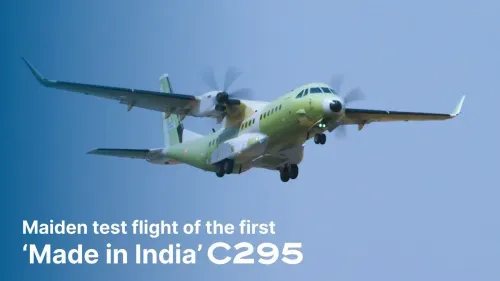
Rijiju Hails Made-in-India C-295 Maiden Flight Milestone
Synopsis
India's first domestically assembled C-295MW military transport aircraft completed its maiden flight, with Union Minister Kiren Rijiju hailing the achievement as a landmark in the Atmanirbhar Bharat journey. The aircraft is part of a 56-unit order with final assembly by Tata Advanced Systems.
Key Takeaways
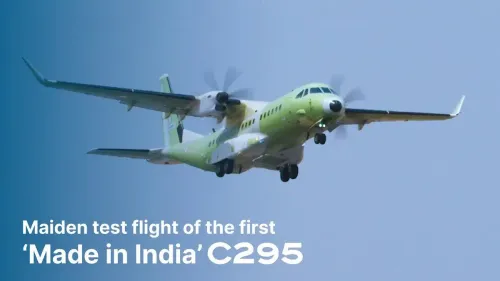
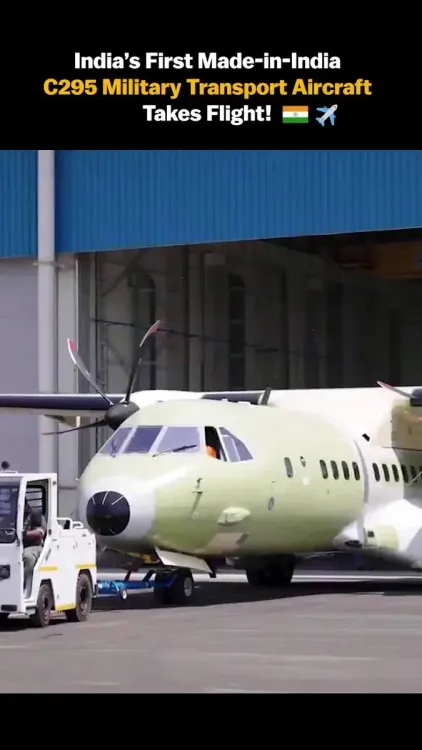
Union Parliamentary Affairs Minister Kiren Rijiju on June 11, 2026 celebrated the maiden flight of the first Made-in-India C-295 military transport aircraft .
The flight is the result of a September 2021 contract for 56 C-295MW aircraft with final assembly by Tata Advanced Systems Limited in India.
The programme is a cornerstone of the Atmanirbhar Bharat self-reliance initiative launched by PM Modi in May 2020 .
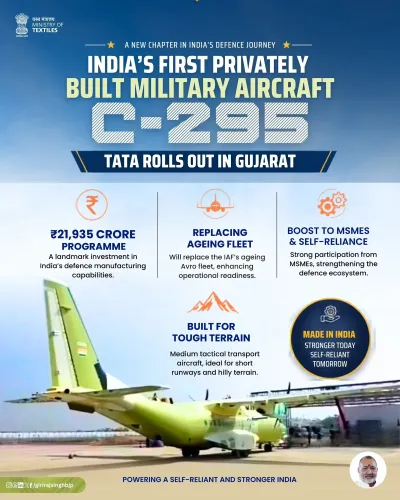
The Indian Air Force will use the aircraft to replace its ageing Avro HS-748 fleet, with 55 more aircraft still to be delivered.
The project represents a shift from outright imports to licensed domestic assembly, with implications for India's defence export ambitions.
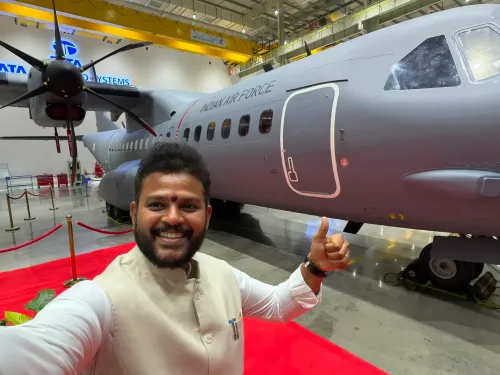
Union Parliamentary Affairs Minister Kiren Rijiju on Thursday, June 11, 2026, celebrated the successful maiden flight of the first Made-in-India C-295 military transport aircraft, calling it a significant milestone in India's defence manufacturing journey and a testament to the vision of Atmanirbhar Bharat.
Context
Rijiju's post marks the first flight of a domestically assembled C-295MW transport aircraft, a landmark event for India's aerospace sector. The minister described the development as part of India's journey 'from aspiration to achievement,' underscoring how indigenous platforms are reinforcing the country's self-reliance goals.
The C-295 programme stems from a September 2021 contract covering 56 aircraft, with final assembly entrusted to Tata Advanced Systems Limited in India — one of the most consequential private-sector defence manufacturing partnerships in the country's history.
Policy Backdrop
The aircraft's maiden flight is the most visible outcome yet of the Atmanirbhar Bharat initiative, announced by Prime Minister Narendra Modi in May 2020, which set out to reduce India's dependence on defence imports through technology absorption and domestic production. The broader Make in India programme, launched in September 2014, laid the policy groundwork for private-sector participation in aerospace and defence.
India has steadily raised the share of its defence capital budget earmarked for domestically sourced equipment since 2020, with the C-295 project serving as a flagship example of that shift. The programme moves India away from outright imports toward licensed local assembly and, over time, deeper indigenisation of components and systems.
Stakeholders and Impact
The Indian Air Force is the primary beneficiary, as the C-295MW is slated to replace its ageing fleet of Avro HS-748 transport aircraft. Successful domestic assembly opens the door to a sovereign maintenance, repair, and overhaul ecosystem, reducing lifecycle dependency on foreign suppliers.
For India's private aerospace industry, the programme signals that complex military platform assembly is now within domestic industrial reach. The partnership model — technology transfer combined with local final assembly — is being closely watched as a template for future defence programmes involving both public-sector undertakings and private manufacturers.
What's Next
Attention will now turn to the delivery schedule for the remaining 55 aircraft and the indigenous content percentages achieved at each production stage. Parliamentary committees are expected to seek updates on offset obligations fulfilled and the pace at which critical sub-systems are being sourced domestically.
The maiden flight positions India as a credible assembler of modern military transport aircraft and could strengthen the country's pitch for defence exports in the medium term, aligning with the government's stated target of significant annual defence export revenues.
Point of View
It is a high-visibility proof point for Atmanirbhar Bharat ahead of a period of heightened scrutiny on defence readiness. Rijiju's amplification of the milestone from a parliamentary affairs portfolio — rather than from the defence ministry — signals a whole-of-government messaging effort around self-reliance. The real test, however, will be the pace of subsequent deliveries and the depth of indigenous content achieved across the remaining 55 aircraft.
NationPress
26 Oct 2026
Frequently Asked Questions
What is the Made-in-India C-295 aircraft?
The C-295MW is a medium tactical military transport aircraft being assembled in India by Tata Advanced Systems Limited under a 2021 contract for 56 units for the Indian Air Force, marking a shift from outright imports to domestic production.
When did the first Made-in-India C-295 complete its maiden flight?
The first domestically assembled C-295 completed its maiden flight around June 2026, as celebrated by Union Minister Kiren Rijiju on June 11, 2026.
What is Atmanirbhar Bharat in defence?
Atmanirbhar Bharat, launched by PM Modi in May 2020, is a self-reliance initiative that includes raising the share of defence procurement from domestic sources, encouraging private-sector manufacturing, and reducing import dependence.
Who is assembling the C-295 in India?
Tata Advanced Systems Limited is responsible for the final assembly of the C-295MW aircraft in India as part of the 56-aircraft contract signed in September 2021.
What aircraft will the C-295 replace in the Indian Air Force?
The C-295MW is set to replace the Indian Air Force's ageing fleet of Avro HS-748 transport aircraft, which have been in service for several decades.