Robotic Orthopaedic System Launched at Delhi Cantt Hospital by Defence Secretary
Synopsis
Defence Secretary Rajesh Kumar Singh inaugurated a Robotic Orthopaedic System and Maternity OT at Delhi's Cantonment General Hospital on April 23 — a landmark upgrade that brings precision robotic surgery to a public defence hospital for the first time, with 12 more specialised units planned within a year.
Key Takeaways
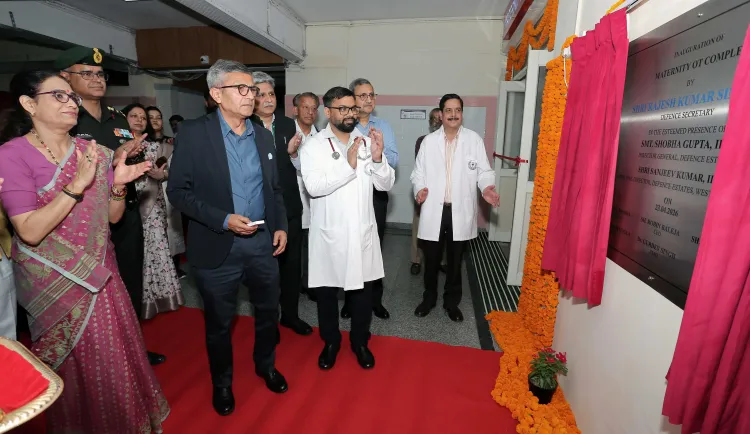
Defence Secretary Rajesh Kumar Singh inaugurated a Robotic Orthopaedic System and Maternity Operation Theatre at Cantonment General Hospital, Delhi on April 23, 2025 .
The robotic system enables precision orthopaedic surgery, reducing recovery times and improving outcomes for complex cases — a first for a government cantonment hospital in Delhi.
Within three months , the hospital will add a Dialysis Centre , CSSD , upgraded ICUs , and an expanded laboratory.
Within 12 months , facilities including Paediatric ICU , Neonatal ICU , MRI , CT Scan , and a Cancer Screening Unit are planned.
Director General of Defence Estates Shobha Gupta was present and praised the initiative for strengthening community healthcare within cantonment zones.
The Indian Army's Military Hospital, Jabalpur launched a monthly Mental Health Awareness Programme for officers, with sessions continuing through 2026 .
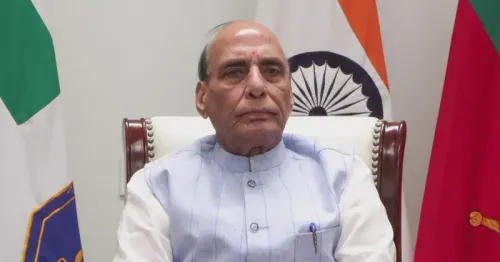
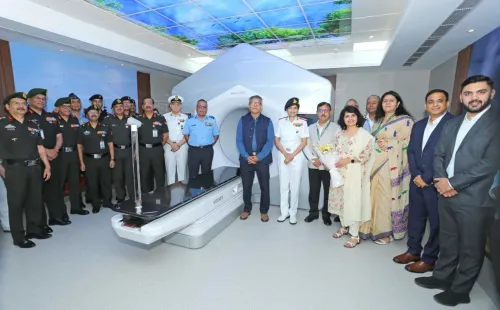
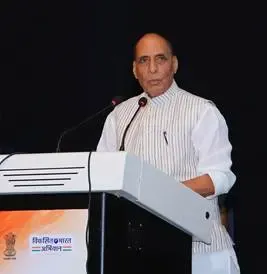
New Delhi, April 23: Defence Secretary Rajesh Kumar Singh on Thursday inaugurated a state-of-the-art Robotic Orthopaedic System and a dedicated Maternity Operation Theatre at Cantonment General Hospital, Delhi Cantonment, marking a significant leap in advanced healthcare delivery for military and civilian communities in the region. The inauguration underscores the central government's sustained push to modernise medical infrastructure within India's cantonment zones.
Key Facilities Inaugurated
The launch ceremony was attended by Director General of Defence Estates, Shobha Gupta, who lauded the initiative as a transformative step in strengthening healthcare delivery within cantonment areas. An official statement confirmed that the new facilities will serve not only cantonment residents but also citizens from neighbouring municipal zones.
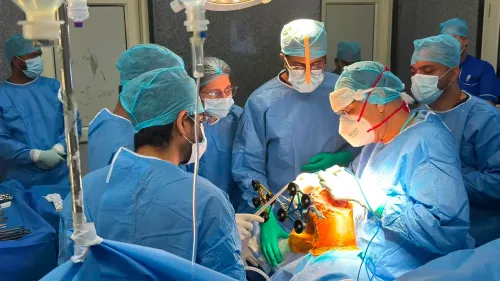
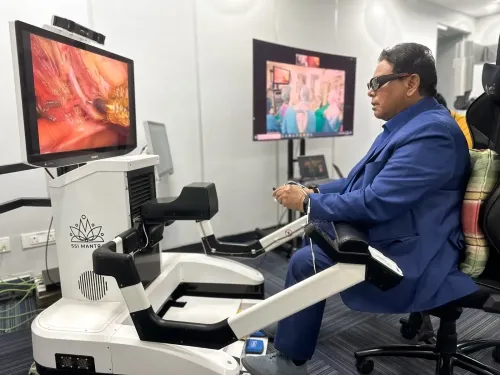
The Robotic Orthopaedic System represents a major technological upgrade for the hospital, enabling surgeons to perform precision-driven procedures with greater accuracy, significantly reduced recovery times, and measurably improved patient outcomes. The system is specifically designed to handle complex orthopaedic cases that previously required referral to specialised tertiary care centres.
The newly established Maternity Operation Theatre has been purpose-built to provide comprehensive, safe surgical care for expectant mothers, addressing a critical gap in maternal healthcare services within the cantonment ecosystem.
Planned Upgrades Over the Next Year
During the inauguration, a detailed presentation was made on the hospital's phased expansion roadmap. In the next three months, the hospital is set to add a Dialysis Centre, a Central Sterile Services Department (CSSD), upgraded ICU facilities, and an expanded diagnostic laboratory.
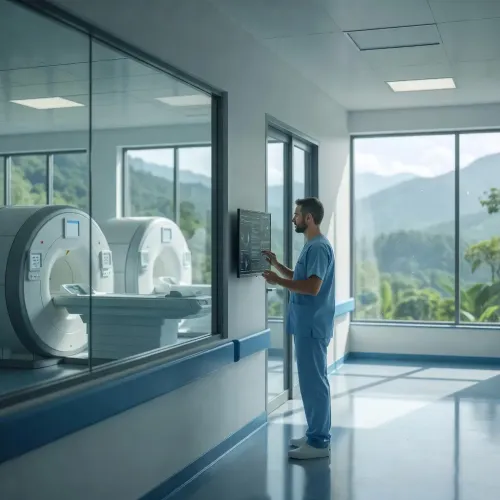
Looking further ahead, within the next 12 months, the hospital plans to develop a Paediatric ICU, Neonatal ICU, CT Scan and MRI units, a Cancer Screening Unit, a High Dependency Unit, a Multispecialty Ward, and a Surgical ICU. These additions would effectively transform the Cantonment General Hospital into a near-comprehensive multispecialty medical facility.
This phased investment signals a broader policy direction by the Ministry of Defence to reduce the dependency of cantonment residents on overburdened civilian public hospitals, particularly in tier-1 cities like New Delhi.
Army's Mental Health Push: Jabalpur Programme
In a parallel development, the Indian Army's Central Command at Military Hospital, Jabalpur, conducted a structured Mental Health Awareness Programme for Officers and Junior Commissioned Officers of HQ 1 Signals Training Centre.
The programme focused on early identification of mental health concerns, effective stress management techniques, healthy sleep hygiene, and practical coping strategies to address both professional pressures and family-related challenges. According to an official statement posted on X (formerly Twitter), the interactive sessions reinforced mental resilience as a core pillar of military leadership and operational effectiveness.
Significantly, this programme is the first in a structured monthly series planned through 2026, signalling that the Army is institutionalising mental health support rather than treating it as a one-off initiative. This comes amid growing national awareness around mental health in high-stress professions, including the armed forces.
Broader Significance: Why This Matters
India's cantonment hospitals have historically been under-resourced relative to the scale of populations they serve. The introduction of robotic orthopaedic surgery at a cantonment facility is particularly notable — robotic surgical systems are currently concentrated in a handful of elite private hospitals in metros, making this launch a democratisation of cutting-edge medical technology for a broader beneficiary base.
Notably, the Defence Estates network manages 62 cantonment boards across India, collectively housing millions of residents. If the Delhi Cantonment model is replicated nationally, it could set a new benchmark for public-sector hospital infrastructure under the defence establishment.
With the full expansion roadmap targeting completion within 12 months, stakeholders and cantonment residents will closely watch whether the ambitious timeline translates into on-ground delivery — a critical test of institutional accountability within the defence healthcare system.
Point of View
Cantonment hospitals have been seen as second-tier facilities; this upgrade challenges that perception head-on. The Army's simultaneous institutionalisation of monthly mental health programmes through 2026 further reveals a more holistic understanding of soldier and community welfare. The real test, however, will be whether the ambitious 12-month expansion roadmap survives bureaucratic inertia and budget cycles — India has no shortage of grand healthcare announcements that stall at implementation.
NationPress
23 Sept 2026
Frequently Asked Questions
What was inaugurated at Cantonment General Hospital Delhi on April 23?
Defence Secretary Rajesh Kumar Singh inaugurated a Robotic Orthopaedic System and a Maternity Operation Theatre at Cantonment General Hospital, Delhi Cantonment on April 23, 2025. These facilities will serve both cantonment residents and people from neighbouring municipal areas.
What is a Robotic Orthopaedic System and how does it help patients?
A Robotic Orthopaedic System is an advanced surgical technology that enables surgeons to perform precision-driven bone and joint procedures with greater accuracy. It results in reduced recovery times and improved outcomes, particularly for complex orthopaedic cases.
What future upgrades are planned for Cantonment General Hospital Delhi?
Within three months, the hospital will add a Dialysis Centre, CSSD, ICU upgrades, and lab expansion. Over the next year, a Paediatric ICU, Neonatal ICU, CT Scan, MRI, Cancer Screening Unit, High Dependency Unit, Multispecialty Ward, and Surgical ICU are also planned.
What is the Indian Army's Mental Health Awareness Programme in Jabalpur about?
Military Hospital Jabalpur under the Army's Central Command launched a Mental Health Awareness Programme for Officers and JCOs of HQ 1 Signals Training Centre on April 23. It is the first in a monthly series planned through 2026, focusing on stress management, sleep health, and resilience.
Who attended the inauguration of the Robotic Orthopaedic System at Delhi Cantonment?
The inauguration was presided over by Defence Secretary Rajesh Kumar Singh and attended by Director General of Defence Estates, Shobha Gupta. The event was marked by a presentation on the hospital's phased expansion plans.