RSS General Secretary calls casteism a 'blot', urges unity at Bhopal centenary rally
Synopsis
At a 30,000-strong centenary rally in Bhopal, RSS General Secretary Dattatreya Hosabale declared casteism a 'blot' on Hindu society and insisted that lasting change cannot come from laws or sermons — it must begin at home. His call for daily civic engagement and shared ownership of social challenges marks a notably outward-facing pitch from the Sangh's top voice.
Key Takeaways
RSS General Secretary Dattatreya Hosabale addressed roughly 30,000 swayamsevaks at Lal Parade Ground, Bhopal on 20 September 2026 , as part of the RSS centenary year.
He described casteism and untouchability as a 'blot' on Hindu society, saying change must start in the home, not through laws or sermons alone.
Hosabale called on every citizen to dedicate at least one hour daily to selfless neighbourhood service, framing patriotism as a 24-hour commitment rather than a ceremonial one.
He cited Assam floods relief as a model of broad civic participation, arguing that crisis response is a shared duty beyond RSS workers or government.
The speech invoked the RSS concept of Panch Parivartan , covering social harmony, family values, environment, self-awareness, and civic duties.
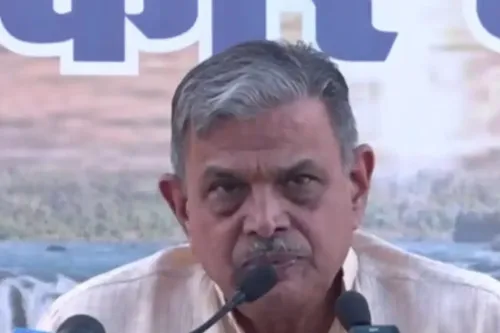
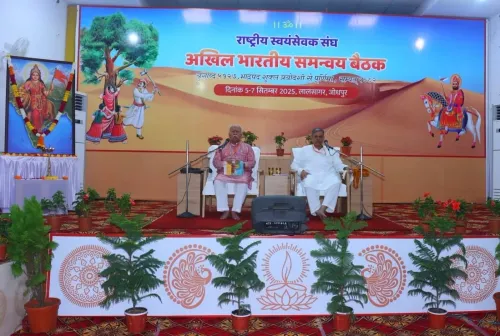
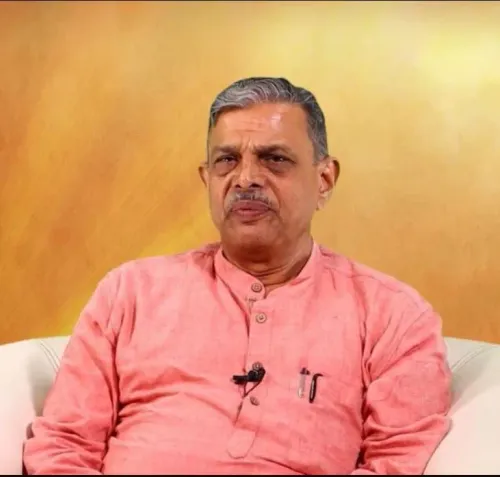
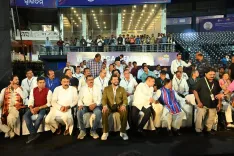
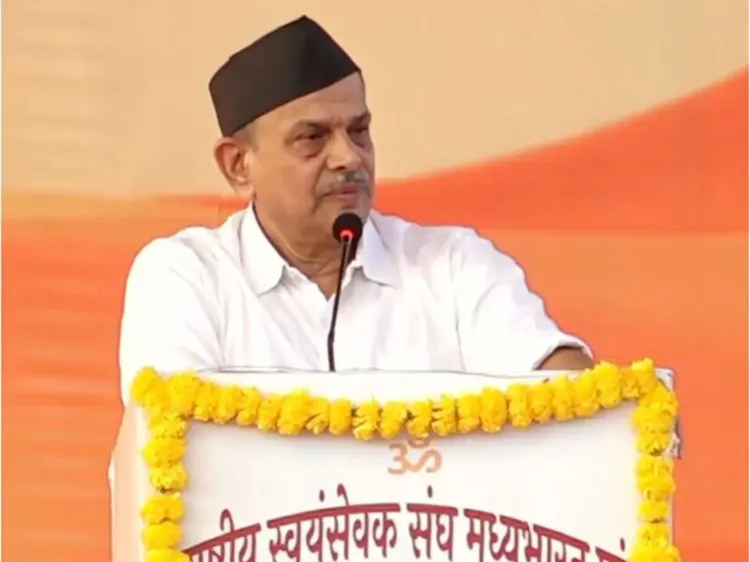
Rashtriya Swayamsevak Sangh (RSS) General Secretary Dattatreya Hosabale on Sunday, 20 September 2026, declared casteism and untouchability a 'blot' on Hindu society, calling for a collective national resolve to eradicate discrimination from the grassroots up. Speaking before a gathering of approximately 30,000 swayamsevaks at Lal Parade Ground in Bhopal, Hosabale said the responsibility of nation-building and social service extends far beyond the RSS cadre alone.
Key Remarks on Caste and Discrimination
Hosabale argued that caste-based discrimination fundamentally weakens society and cannot be dismantled through legislation, sermons, or the intervention of any divine figure alone. 'The change must begin from one's own home and personal conduct,' he emphasised, urging every individual to resolve neither to practise caste discrimination nor to tolerate untouchability in any form.
He warned that treating oneself as separate on the basis of caste, sect, language, or region dilutes the organisational strength of society. Drawing a pointed analogy, he noted that four fingers remain weak in isolation but gain force when clenched into a fist — society, he said, must organise itself similarly to fulfil its role in national progress.
Patriotism as a Daily Practice
Hosabale challenged the notion that patriotism is a sentiment reserved for occasions such as 26 January. Every citizen, he said, must maintain a 24-hour commitment to their village, locality, and society. He urged people to dedicate at least one hour daily in a selfless manner within their neighbourhoods, reinforcing the RSS's emphasis on individual character-building through its shakha system, which it describes as transcending barriers of caste and language.
Service, Floods, and Community Action
Pointing to the recent Assam floods, Hosabale noted that Seva Bharati swayamsevaks had conducted relief work, but that youth and college students from across communities had also participated in large numbers. He stressed that crisis response is a shared civic duty and not the exclusive remit of RSS workers or government administration — residents, he said, must take ownership of their localities.
Environment, Culture, and the Panch Parivartan Framework
On environmental stewardship, Hosabale said passing resolutions from public platforms is insufficient. Responsible action — planting trees, reducing energy consumption, keeping rivers clean — must be practised in homes, schools, workplaces, and streets. He also called for transmitting cultural values drawn from the Ramayana, Mahabharata, and the teachings of saints to the younger generation.
Framing the gathering within the RSS's centenary year, Hosabale invoked the organisation's concept of Panch Parivartan — a five-pronged focus on social harmony, family values, environmental conservation, self-awareness, and civic duties. He closed by recalling India's nearly 5,000-year civilisational journey, noting that the nation has weathered many crises; what matters, he said, is society's collective capacity to confront challenges rather than the problems themselves.
Point of View
Or remain rhetorical markers for a centenary moment, is the question that critics will rightly press.
NationPress
20 Sept 2026
Frequently Asked Questions
What did RSS General Secretary Dattatreya Hosabale say about casteism?
Hosabale described casteism and untouchability as a 'blot' on Hindu society, stating that caste-based discrimination weakens society and cannot be eliminated through laws or sermons alone. He said meaningful change must begin in one's own home and through personal conduct.
Where and when did Hosabale deliver this speech?
He spoke on Sunday, 20 September 2026, at Lal Parade Ground in Bhopal before a gathering of approximately 30,000 swayamsevaks, organised as part of the RSS centenary year celebrations.
What is the RSS concept of Panch Parivartan?
Panch Parivartan is a five-pronged RSS framework calling for focused work on social harmony, family and values, environmental conservation, self-awareness, and civic duties. Hosabale invoked it as a guiding structure for the Sangh's social engagement going forward.
Why did Hosabale reference the Assam floods in his speech?
He cited the floods to illustrate that service and relief work are collective civic responsibilities, not solely the domain of RSS workers. Large numbers of youth and college students from varied backgrounds had also participated in relief efforts, he noted, underscoring a broader call for community ownership during crises.
What did Hosabale say about patriotism and daily civic engagement?
Hosabale argued that patriotism must be a 24-hour commitment rather than a sentiment expressed only on occasions such as 26 January. He urged every citizen to spend at least one hour daily in selfless service within their neighbourhood to strengthen social organisation.