RSS seeks permission for Karnataka marches, Kharge calls them 'good'
Synopsis
Karnataka Home Minister Priyank Kharge called RSS members 'good' after the organisation formally sought police permission — not mere intimation — for its route marches across the state. The conciliatory remarks close a tense administrative standoff and set a new procedural precedent for large-scale processions in Karnataka.
Key Takeaways
Karnataka Home Minister Priyank Kharge on 4 November 2026 said RSS members are 'good' after the organisation complied with permission requirements.
The RSS formally sought police permission for its marches across Karnataka , rather than merely issuing intimations — a key procedural distinction.
Marches involve over two lakh participants across hundreds of routes, requiring prior formal approval for traffic and safety management.
Kharge said the details furnished by the RSS now help the government identify those associated with each of its shakhas .
The minister hinted that the RSS may eventually register itself and disclose funding sources, raising the prospect of future financial transparency obligations.
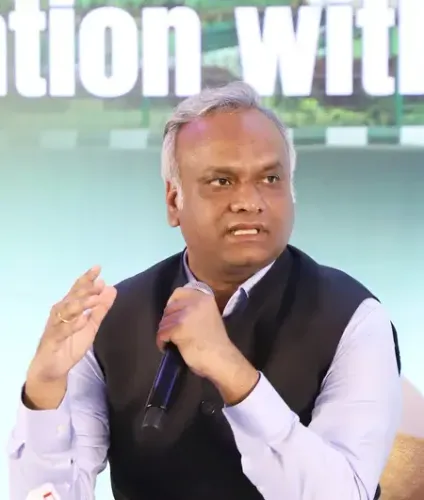
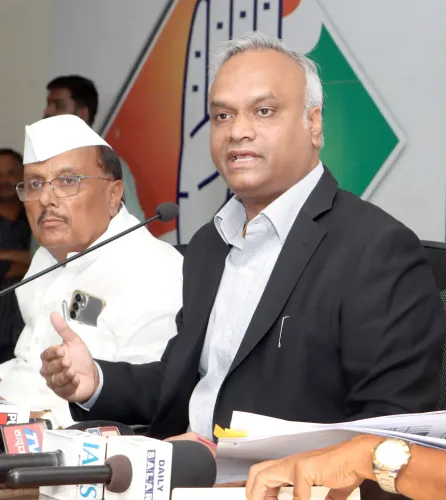
Karnataka Home Minister Priyank Kharge on Wednesday, 4 November 2026, said that Rashtriya Swayamsevak Sangh (RSS) members are 'good,' noting that the organisation had formally submitted required details and sought police permission for its route marches across Karnataka. The remarks came after a prolonged administrative standoff over whether RSS processions needed formal permission or could proceed on mere intimation to local authorities.
What the Minister Said
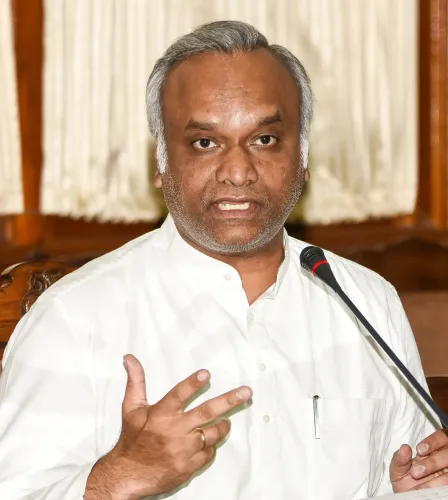
Speaking to reporters in Bengaluru, Kharge said the government had earlier lacked clarity on who was organising the marches, but the RSS had since provided the required information, including names of those associated with its shakhas. He also took a swipe at the media, alleging it had been spreading propaganda against the RSS despite the organisation complying with the rules.
'You had scared us by saying that they would not seek permission or provide details. The RSS people are so good. Wherever they have conducted marches, they have provided information and sought permission. At some places, permission was not granted, but they cooperated,' Kharge said.
Key Shift: Formal Permission, Not Intimation
Kharge underscored a significant procedural point — the RSS had not framed its applications as mere intimations to the police, but had explicitly sought permission throughout the state. 'Nowhere in their applications have they stated that they are merely intimating the police department. They have sought permission throughout Karnataka. They have changed,' he said.
He added that the details now furnished by the RSS would help the government identify who is associated with each of its shakhas. He also hinted at possible future transparency around the organisation's finances, remarking that the RSS may eventually register itself and disclose funding sources, including whether money flows from within the country or abroad.
Background: The Permission Controversy
The dispute over the RSS Vijayadashami Path Sanchalan route marches had escalated after Kharge publicly declared that the organisation must obtain formal police permission rather than merely informing authorities about its route maps. He had shared internal letters in which the RSS had 'informed' local police to coordinate logistics — a practice the Home Department considered insufficient.
Officials argued that because the marches involve over two lakh participants across hundreds of routes, prior formal applications are necessary for the police to manage traffic, safety, and public infrastructure effectively. The department stressed that laws governing public gatherings apply equally to all organisations, including the RSS.
Significance and What Comes Next
Kharge's conciliatory tone marks a notable shift from the earlier confrontational framing of the issue. The RSS's decision to formally seek permission — rather than contest the government's directive — has effectively resolved the immediate standoff. Notably, this episode has set a procedural precedent in Karnataka for how large-scale organisational processions must be managed going forward.
It remains to be seen whether the RSS's compliance will serve as a template for other states where similar disputes over march permissions have periodically arisen, or whether the question of financial disclosures — raised by Kharge — will evolve into a broader political debate.
Point of View
However large, stands above public-gathering rules. The RSS's compliance, without open defiance, quietly validates that position. But Kharge's hints about financial disclosures and fund sourcing suggest the government is laying groundwork for a wider scrutiny of RSS operations, one that could resurface as a political flashpoint. The media jab is also telling: it reflects the government's awareness that its earlier combative posture had made it look adversarial toward a culturally influential organisation. The conciliatory framing now attempts to recast the Centre-Right dynamic in Karnataka without conceding the legal ground it had staked out.
NationPress
4 Nov 2026
Frequently Asked Questions
Why did Karnataka demand formal permission from the RSS for its marches?
The Karnataka Home Department argued that RSS route marches involve over two lakh participants across hundreds of routes, requiring prior formal police permission to manage traffic, safety, and public infrastructure. The government maintained that laws governing public gatherings apply equally to all organisations, and that internal 'intimation' letters were not a substitute for formal permission.
What did the RSS submit to Karnataka authorities?
The RSS formally submitted details of those associated with its shakhas and filed applications seeking police permission for its marches across Karnataka. Crucially, it did not frame these as mere intimations, but as explicit permission requests — a distinction Karnataka Home Minister Priyank Kharge highlighted as significant.
What is the Vijayadashami Path Sanchalan?
The Vijayadashami Path Sanchalan refers to the annual RSS route marches conducted on or around Vijayadashami, one of the organisation's most prominent public demonstrations. In Karnataka, these marches span hundreds of routes and involve a large number of participants, making coordination with local police a logistical necessity.
Did permission get denied at any locations?
According to Karnataka Home Minister Priyank Kharge, permission was not granted at some locations. However, the RSS cooperated with the authorities' decisions at those locations rather than proceeding without approval.
What did Kharge hint about RSS financial disclosures?
Kharge suggested that the RSS may in the future also register itself formally and disclose details of its funding, including whether money comes from within the country or abroad. He framed this as a natural step toward greater transparency, though no formal government directive to this effect has been issued.