Meghalaya CM Conrad Sangma orders PGI roadmap for school improvement
Synopsis
Meghalaya CM Conrad Sangma has flagged that the state's PGI ranking understates actual ground-level work — and ordered a data-backed roadmap to fix it. From smart classrooms and CWSN ramps to biodegradable sanitary pads via Self Help Groups, the review signals a push to convert ongoing schemes into measurable national rankings.
Key Takeaways
Chief Minister Conrad K.
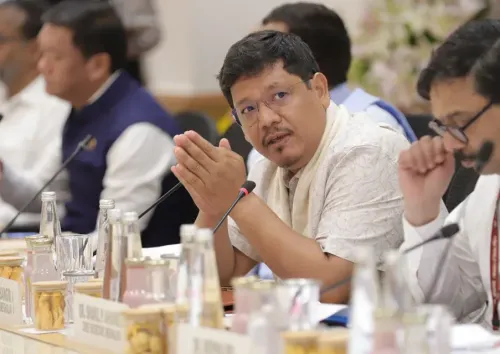
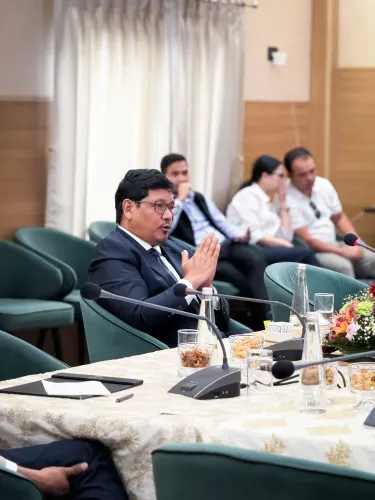
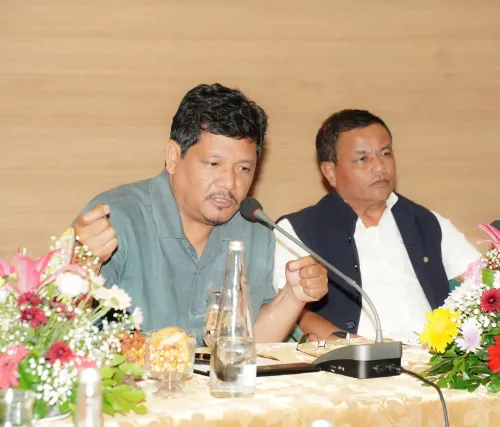
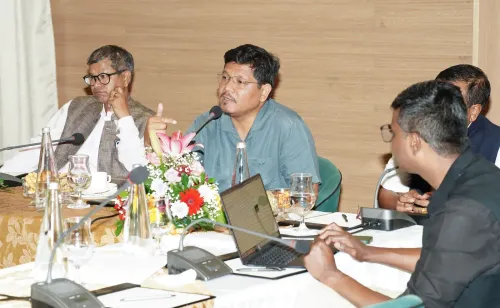
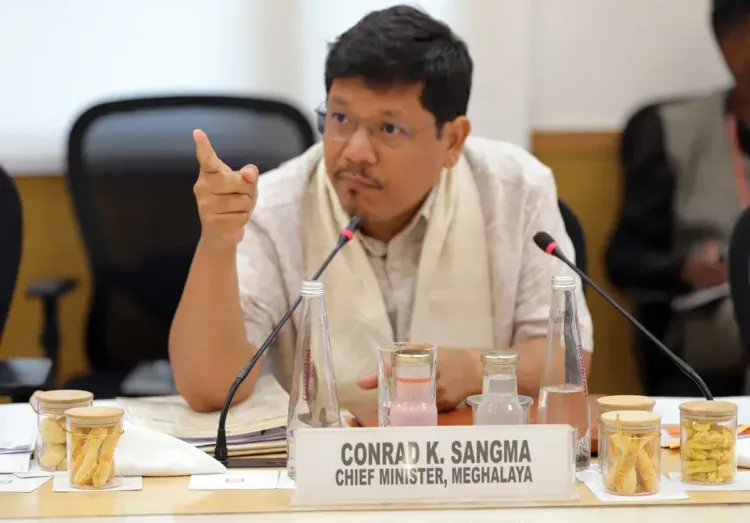
Sangma chaired a high-level Education Department review at the State Guest House, Shillong on 23 June 2025 .
He directed preparation of a comprehensive PGI improvement roadmap with clear timelines, funding requirements, and monitoring mechanisms.
Sangma stated that Meghalaya's low PGI ranking reflects reporting and monitoring gaps, not a lack of ground-level initiatives.
Infrastructure priorities include ICT facilities , smart classrooms, science labs, drinking water, and rainwater harvesting.
Inclusive education plans cover CWSN facilities — ramps, accessible toilets, assistive tech, and specialised teacher training.
The CM called for sustainable menstrual health models, including biodegradable sanitary pads produced through Self Help Groups .
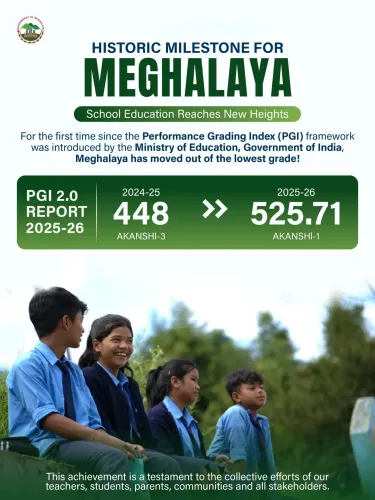
Meghalaya Chief Minister Conrad K. Sangma on Tuesday, 23 June directed the state's Education Department to prepare a comprehensive roadmap — complete with clear timelines, funding requirements, and monitoring mechanisms — to improve school infrastructure, learning outcomes, and the state's standing in the Performance Grading Index (PGI). Sangma asserted that Meghalaya's education initiatives are not adequately reflected in existing national rankings.
Key Directions from the Review Meeting
Chairing a high-level review of the Education Department at the State Guest House in Shillong, Sangma assessed ongoing programmes spanning school infrastructure, student welfare, inclusive education, and academic performance. He stated that the state's current PGI ranking fails to accurately capture the work being undertaken on the ground, and that several shortcomings stem from reporting and monitoring gaps rather than an absence of initiatives.
The Chief Minister directed officials to adopt a structured monitoring framework and make greater use of technology and data analytics to identify school-specific deficiencies and improve compliance with PGI indicators.
Infrastructure and ICT Expansion
Reviewing infrastructure-related parameters, Sangma stressed the need to expand access to ICT facilities, smart classrooms, science laboratories, libraries, reading corners, art and craft rooms, drinking water facilities, and rainwater harvesting systems. He asked the department to identify cost-effective, phased interventions that enable schools to meet prescribed standards while improving the overall learning environment.
Inclusive Education and Special Needs Support
The meeting also addressed inclusive education, with officials presenting plans to strengthen facilities for Children with Special Needs (CWSN). These include ramps, accessible toilets, assistive technologies, and specialised teacher training. Sangma directed the department to ensure schools receive adequate support to meet accessibility norms without delay.
Student Welfare: Health, Nutrition, and Safety
Sangma reviewed a range of student welfare initiatives — covering health check-ups, nutrition, career counselling, and cyber safety awareness — and emphasised that health, nutrition, and education interventions must be integrated to improve both wellbeing and academic outcomes.
Notably, the Chief Minister underscored the importance of menstrual health and sanitation for adolescent girls, noting these issues directly affect attendance, health, and educational performance. He called for sustainable implementation models, including the possibility of producing biodegradable sanitary pads through Self Help Groups — a community-driven approach that could simultaneously support livelihoods and school retention among girls.
What Comes Next
Concluding the meeting, Sangma reiterated the government's commitment to ensuring quality education and supportive learning environments for every child in Meghalaya. The Education Department is now expected to submit a detailed roadmap with milestones, funding allocations, and a technology-backed compliance mechanism. This comes amid broader national efforts to improve state-level PGI scores, which the Union government uses to benchmark school education quality across India.
Point of View
But rarely act on structurally. The directive to use technology and data analytics for school-level compliance tracking is the right instinct; the question is whether the Education Department has the capacity to execute it. The biodegradable sanitary pad initiative via Self Help Groups is a genuinely integrated idea, but sustainable models at scale require procurement frameworks that most state education departments lack. If the roadmap remains a document exercise without independent monitoring, Meghalaya risks another cycle of initiatives that do not register in national rankings.
NationPress
22 Sept 2026
Frequently Asked Questions
What is the Performance Grading Index (PGI) and why does it matter for Meghalaya?
The Performance Grading Index is a Union government tool that benchmarks school education quality across Indian states on parameters like learning outcomes, infrastructure, and governance. Meghalaya's ranking on the PGI is reportedly lower than its actual ground-level initiatives warrant, according to Chief Minister Conrad Sangma, making improvement a policy priority.
What did CM Conrad Sangma direct the Education Department to do?
Sangma directed the department to prepare a comprehensive roadmap with clear timelines, funding requirements, and monitoring mechanisms targeting PGI improvement. He also asked officials to adopt technology and data analytics to identify school-specific gaps and improve compliance with PGI indicators.
What infrastructure improvements are planned for Meghalaya schools?
The planned improvements include ICT facilities, smart classrooms, science laboratories, libraries, reading corners, art and craft rooms, drinking water facilities, and rainwater harvesting systems. The Chief Minister asked for cost-effective, phased interventions to help schools meet prescribed national standards.
How does the government plan to support Children with Special Needs in schools?
Officials presented plans to strengthen CWSN facilities including ramps, accessible toilets, assistive technologies, and specialised teacher training. Sangma directed the department to ensure schools receive adequate support to meet accessibility norms.
What is the proposed approach to menstrual health in Meghalaya schools?
Chief Minister Sangma called for sustainable menstrual health and sanitation models for adolescent girls, citing their direct impact on school attendance and academic performance. One proposed model involves producing biodegradable sanitary pads through Self Help Groups, linking livelihood support with school health outcomes.