132nd Constitution Amendment Bill: Assam CM Sarma hails nod
Synopsis
The Union Cabinet has cleared the 132nd Constitution Amendment Bill, and BJP chief ministers are rallying behind it. Assam CM Himanta Biswa Sarma called it a decisive step towards 33% reservation for women in the Lok Sabha and state assemblies, which would reshape India's legislatures if Parliament passes it.
Key Takeaways
The Union Cabinet approved the 132nd Constitution Amendment Bill , according to Assam CM Himanta Biswa Sarma .
Sarma welcomed the decision on 28 November 2026 in a post on X, calling it a historic step.
The bill is aimed at realising 33% reservation for women in the Lok Sabha and state legislative assemblies.
Sarma credited Prime Minister Narendra Modi , who framed the move as part of the Centre's resolve to empower Nari Shakti .
The BJP has projected the initiative as a major step for women's political empowerment.
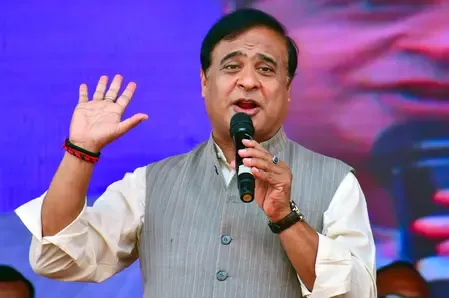
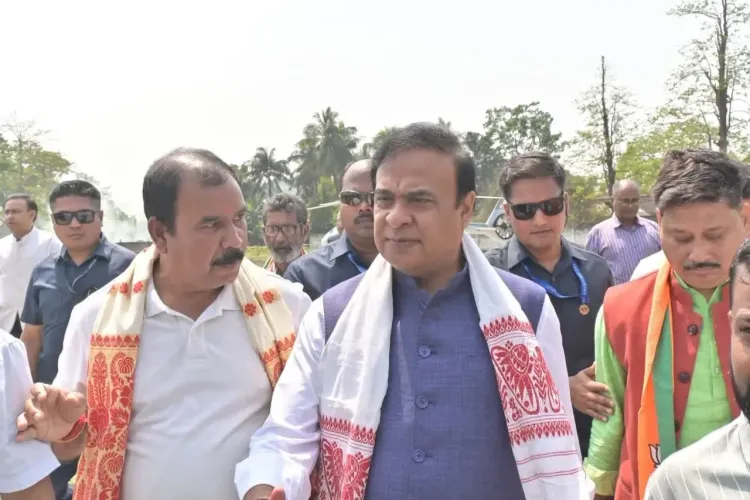
Assam Chief Minister Himanta Biswa Sarma on Saturday, 28 November 2026, welcomed the Union Cabinet’s approval of the 132nd Constitution Amendment Bill, calling it a historic step towards greater participation of women in India’s democratic and political processes. Speaking from Guwahati, Sarma said the amendment was a decisive move towards providing 33 per cent reservation for women in the Lok Sabha and state legislative assemblies.
Key Developments
In a post on social media platform X, Sarma described the Cabinet’s decision as a landmark moment. “A historic step toward taking women’s participation in democracy to new heights!” the Chief Minister wrote.
He credited Prime Minister Narendra Modi for the decision. “Under the leadership of the respected Prime Minister, Shri Narendra Modi ji, the Cabinet’s approval of the 132nd Constitution Amendment Bill is a decisive move toward realising 33% reservation for women in the Lok Sabha and state legislative assemblies,” he wrote.
What the Assam CM Said
Sarma said wider representation would give women a stronger role in shaping national policy and decision-making. “Now, women's voices will be even stronger in shaping the country's policies and decisions,” he added.
His remarks followed a statement by Prime Minister Modi, who reiterated the government’s commitment to fulfilling its promise to women. Modi described the move as part of the Centre’s resolve to empower Nari Shakti.
Political Context
Sarma’s endorsement reflects the Bharatiya Janata Party (BJP) leadership’s support for the Centre’s initiative. The party has presented the bill as an important step towards strengthening women’s political empowerment.
The proposed 33 per cent quota aims to raise women’s representation in Parliament and state legislatures. It responds to a longstanding demand for greater participation of women in electoral politics.
Notably, the push for legislative reservation for women has a long history in Indian politics. Several attempts over past decades stalled before reaching the statute book. The specific provisions of the 132nd amendment have not been detailed in the available statements, so its exact scope and timeline remain to be seen.
Impact on Indian Democracy
The development has again brought women’s representation in legislative institutions into focus. The proposed constitutional changes are expected to have significant implications for India’s democratic framework.
A one-third quota would change the composition of the Lok Sabha and every state assembly, including Assam’s. That would affect candidate selection, constituency politics and party strategy across the country.
As a constitutional amendment, the bill will need to clear Parliament before it can take effect. The coming parliamentary process, along with the positions taken by opposition parties, will decide how quickly the promise of greater representation for women turns into seats.
Point of View
But the details matter more, including the implementation timeline, any links to census or delimitation, and rotation of reserved seats, and none of these have been made public yet. Until they are, the 33% figure remains a commitment, not a change on the ground.
NationPress
28 Nov 2026
Frequently Asked Questions
What is the 132nd Constitution Amendment Bill?
It is a proposed constitutional amendment approved by the Union Cabinet that, according to Assam CM Himanta Biswa Sarma, is aimed at realising 33% reservation for women in the Lok Sabha and state legislative assemblies. Its detailed provisions have not yet been publicly outlined.
What did Himanta Biswa Sarma say about the bill?
Sarma called the Cabinet's approval a historic step toward taking women's participation in democracy to new heights. In a post on X, he said women's voices will be even stronger in shaping the country's policies and decisions.
How much reservation will women get under the bill?
The bill is intended to provide 33% reservation for women in the Lok Sabha and state legislative assemblies. This aims to address the longstanding demand for greater participation of women in electoral politics.
What happens next for the 132nd Constitution Amendment Bill?
As a constitutional amendment, the bill must be passed by Parliament before it can take effect. Its timeline will depend on the upcoming parliamentary process.
How has the BJP responded to the bill?
BJP leaders, including Prime Minister Narendra Modi and Assam CM Himanta Biswa Sarma, have backed the move. Modi described it as part of the Centre's resolve to empower Nari Shakti.