Kerala CM Satheesan vs his own Opposition record on ADGP Ajith Kumar case
Synopsis
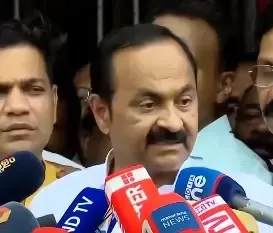
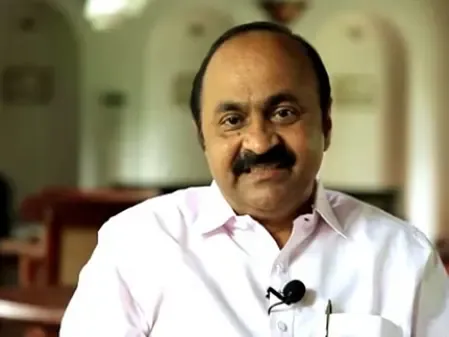
Kerala CM V.D. Satheesan is being held to his own words — television channels are looping his Opposition-era demands for swift action against ADGP Ajith Kumar against his current 'due process' defence. It is a sharp illustration of how the transition from Opposition leader to Chief Minister can turn a politician's sharpest weapons into his most visible liabilities.
Key Takeaways
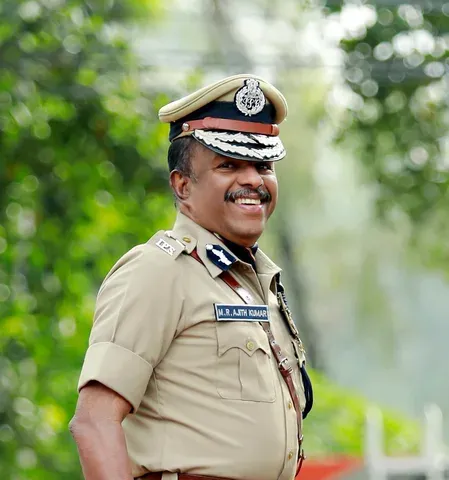
Satheesan is under scrutiny for the delay in action against ADGP M.R.
Ajith Kumar over the alleged Alappuzha assault on Youth Congress workers.
Satheesan said the SIT report has not formally reached him or the Home Minister, and that procedures must be completed before action is taken.
Television channels have contrasted his current position with his strong demands for swift accountability when he was Leader of the Opposition.
The Director General of Police screening committee is scheduled to meet shortly, making procedural compliance legally significant.
On media access, Satheesan has kept his promise — holding regular post-Cabinet briefings, a marked departure from his predecessor Pinarayi Vijayan 's approach.
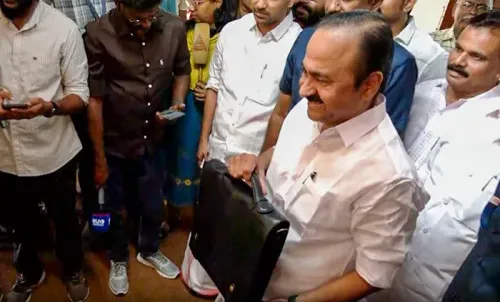
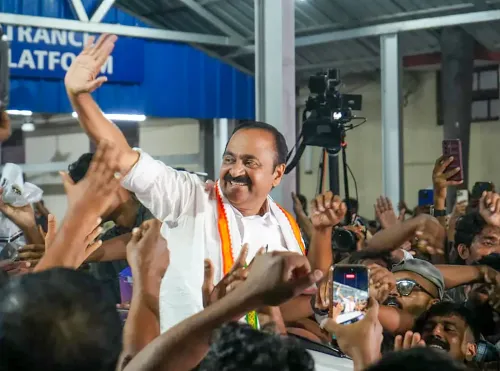
Kerala Chief Minister V.D. Satheesan is facing pointed scrutiny over his government's handling of the delayed action against ADGP M.R. Ajith Kumar, with television channels repeatedly contrasting his sharp demands for accountability as Leader of the Opposition with his current insistence on due process. The case concerns allegations that then Chief Minister Pinarayi Vijayan's security personnel assaulted Youth Congress workers in Alappuzha, and that the subsequent probe was allegedly derailed.
The Shift in Position
Addressing a volley of questions on Wednesday, Chief Minister Satheesan maintained that the Special Investigation Team (SIT)'s report remains under examination and that neither he nor the Home Minister has formally received the final document. 'Procedures have to be completed,' he said, asserting that administrative action cannot be initiated on the basis of a report that has not yet officially reached the government.
Whether this constitutes a reversal of his earlier stance or simply reflects the procedural obligations of the executive office has become the central point of public debate. Critics argue the contrast is stark — as Opposition leader, Satheesan demanded immediate accountability; as Chief Minister, he now invokes the same institutional processes he once criticised as obstacles.
Why Due Process Matters Here
The procedural caution is not without basis. With the Director General of Police screening committee scheduled to convene shortly, any action that bypasses established protocol could be vulnerable to judicial challenge. As Chief Minister, every administrative decision must withstand legal scrutiny — a constraint that simply did not apply when Satheesan occupied the Opposition benches.
This is a tension familiar in Indian state politics: Opposition leaders routinely set expectations that the machinery of government cannot always fulfil at the pace demanded. Notably, this is not the first time a Kerala Chief Minister has been measured against pre-office rhetoric.
Media Access: A Contrast With the Predecessor
One area where Satheesan has demonstrably followed through on his Opposition-era promises is media engagement. During Pinarayi Vijayan's tenure, post-Cabinet press briefings were discontinued, interactions were held at the Chief Minister's discretion, and question-and-answer sessions were frequently curtailed. Critics had alleged that some questions appeared pre-arranged, citing instances where prepared written responses were produced immediately; Vijayan also ended press conferences abruptly on several occasions after fielding only a handful of questions.
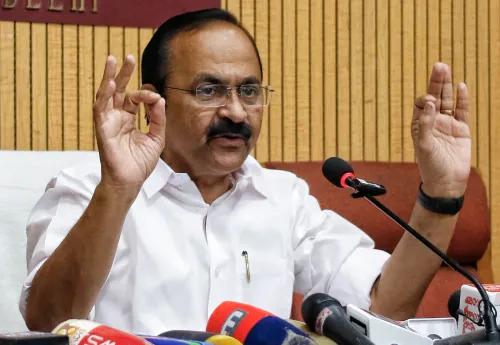
Since assuming office, Satheesan has consistently addressed the media after Cabinet meetings, making himself available for routine questioning. His exchanges are often sharp and combative — particularly when confronted with speculative or repetitive questions — but he has generally continued to engage rather than walk away. The style may be more confrontational than conciliatory, but it is markedly more accessible than what preceded it.
The Larger Challenge Ahead
The deeper challenge before Chief Minister Satheesan is not simply deflecting Opposition criticism, but managing the inevitable gap between the moral clarity of Opposition politics and the procedural constraints of governance. His own past rhetoric has become one of the sharpest benchmarks against which his administration is now measured — a reality that will likely intensify as the SIT report moves closer to formal submission and a decision on ADGP Ajith Kumar can no longer be deferred.
Point of View
Loudly and on camera. The SIT report delay is now a test of whether 'due process' is a genuine institutional commitment or a convenient shield. The DGP screening committee's imminent meeting means this deferral has a hard deadline. How Satheesan acts once the report formally arrives will define whether his administration is held to the same accountability he once demanded of others.
NationPress
13 Oct 2026
Frequently Asked Questions
What is the ADGP Ajith Kumar controversy in Kerala?
The controversy centres on allegations that security personnel attached to then Chief Minister Pinarayi Vijayan assaulted Youth Congress workers in Alappuzha, and that the subsequent investigation was allegedly derailed. ADGP M.R. Ajith Kumar is at the centre of demands for accountability arising from that probe.
Why is CM Satheesan being criticised over the ADGP case?
As Leader of the Opposition, Satheesan had publicly demanded swift action against ADGP Ajith Kumar. Now as Chief Minister, he is citing due process and the pending SIT report as reasons for the delay — a position critics say contradicts his earlier stance.
What has CM Satheesan said about the SIT report?
Satheesan stated that the SIT's report is still under examination and has not formally reached him or the Home Minister. He said procedures must be completed before any action can be initiated, adding that decisions cannot be made on the basis of a report not yet officially submitted to the government.
How does Satheesan's media engagement compare with Pinarayi Vijayan's?
Satheesan has held regular post-Cabinet press briefings since taking office, making himself available for routine questioning — a commitment he had made in Opposition. By contrast, Vijayan had discontinued post-Cabinet briefings, limited media interactions to his discretion, and was criticised for curtailing question-and-answer sessions.
What happens next in the ADGP Ajith Kumar case?
The Director General of Police screening committee is scheduled to meet shortly, which will be a procedurally significant milestone. Once the SIT report formally reaches the government, a decision on action against ADGP Ajith Kumar will be harder to defer.