SC orders July 20 protest panel to submit police action report in one month
Synopsis
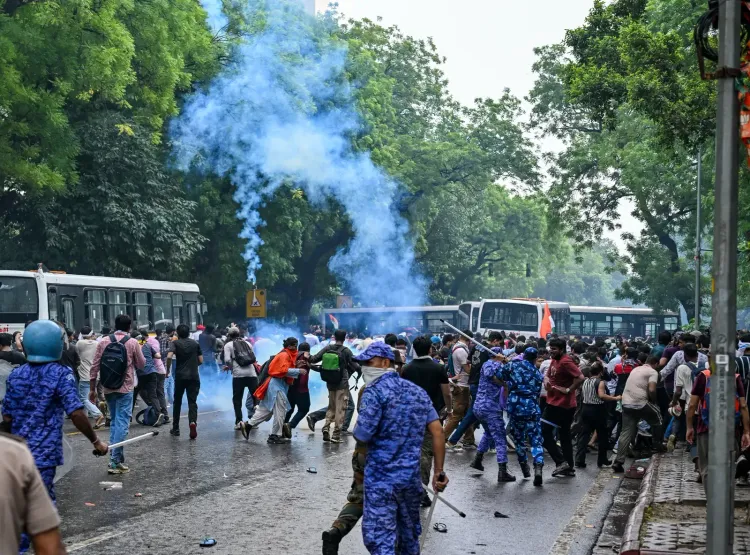
The Supreme Court has told the five-member High-Powered Enquiry Committee probing alleged police excesses during the July 20 student march towards Parliament to stop waiting for more complaints and deliver a fact-finding report within one month — a nudge that signals the court's impatience with the slow pace of an inquiry that has so far received almost no formal complaints despite a dedicated portal.
Key Takeaways
The Supreme Court on 5 November 2026 ordered the HPEC to submit its fact-finding report within one month .
The bench of CJI Surya Kant and Justice Joymalya Bagchi clarified the HPEC's 31 October status report contained no findings.
Despite a dedicated portal and media outreach, only one complainant appeared before the panel on 29 October .
The court directed the HPEC to proceed on existing material rather than wait for more complaints.
Retired Meghalaya DGP Dr L.R.
Bishnoi has resigned from the HPEC; the Centre must file a detailed affidavit.
The next hearing is set for 2 December .
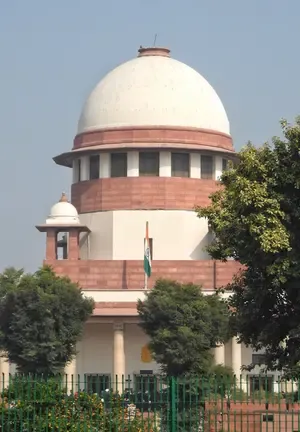
The Supreme Court on Thursday, 5 November 2026, directed the High-Powered Enquiry Committee (HPEC) — constituted to probe allegations of police excesses during the July 20 student protests in New Delhi — to submit its fact-finding report within one month. The order came after the five-member panel submitted a sealed-cover status report to the court, which the bench clarified contained no findings as yet.
What the Court Directed
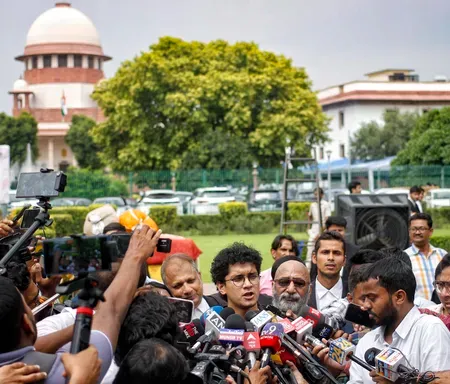
A bench comprising Chief Justice of India (CJI) Surya Kant and Justice Joymalya Bagchi reviewed the status report submitted by the HPEC on 31 October. The court noted that the report merely outlined progress and carried no conclusions on the allegations under investigation. The bench instructed the committee to examine all documents, video recordings, and other material already before it — including evidence submitted by petitioners on behalf of affected persons — and to seek responses from the relevant authorities.
Crucially, the court said the panel should not limit its inquiry to formal complaints received through the designated portal alone, but must also consider representations and evidence furnished through lawyers and other intermediaries. 'Whatever material has come, the committee need not wait indefinitely. Based on that, we would like the committee to give a fact-finding report,' the bench stated.
Low Complaint Turnout Despite Outreach Efforts
The bench was informed that despite publicising the complaint mechanism through print and electronic media and issuing notices to protestors, the response had been sparse. Only a handful of representations were received through the dedicated portal; none arrived via email, post, or in person. Only one complainant appeared before the HPEC on 29 October and submitted an affidavit. Some police personnel had also appeared before the panel. The court concluded that the committee should proceed on the basis of available material rather than await further submissions indefinitely.
Key Personnel Change and Central Government Role
The bench formally recorded the resignation of retired Meghalaya Director General of Police Dr L.R. Bishnoi from the HPEC. The court also directed the Centre to file a detailed affidavit in the matter. The next hearing has been scheduled for 2 December.
Background: The July 20 Protests and HPEC's Mandate
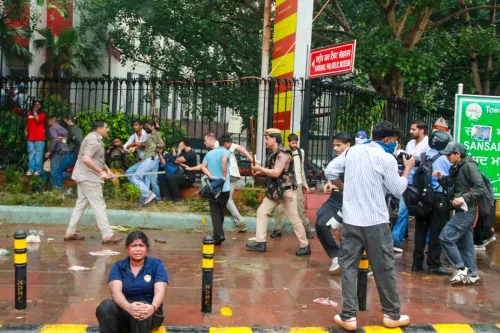
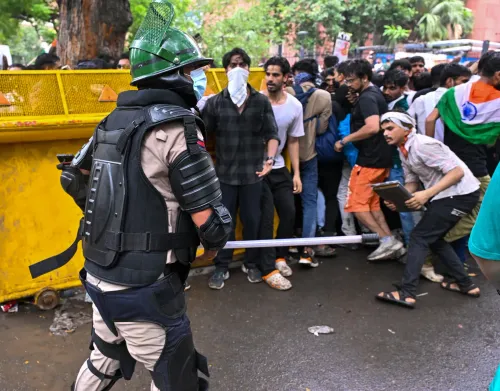
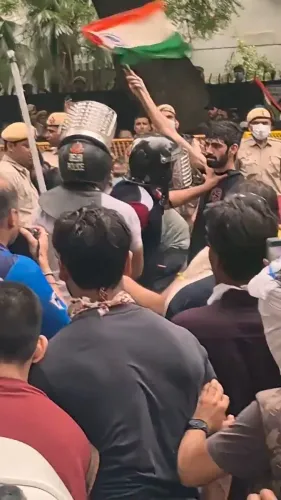
The Supreme Court had constituted the HPEC on 18 August to investigate allegations of excessive force deployed during a students' march from Jantar Mantar towards Parliament on 20 July. The panel is chaired by retired Supreme Court judge Justice R. Subhash Reddy and includes former Punjab and Haryana High Court Chief Justice Ravi Shankar Jha, former Delhi High Court judge Justice Shalinder Kaur, and former CBI Director Rishi Kumar Shukla.
The HPEC was tasked with examining allegations covering the use of pellet guns, electric batons, lathi charges and tear gas, as well as alleged targeted violence and harassment of women protestors, and damage to property by both sides. The court had separately directed police authorities, paramilitary forces, and other investigating agencies to preserve and provide CCTV footage, drone recordings, body-worn camera footage, wireless communication records, and PCR call logs related to the protests. The matter will next be heard on 2 December, by which time the Centre's affidavit and the HPEC's completed report are expected to be before the bench.
Point of View
Suggesting either a trust deficit in the process or fear of reprisal among victims. The court's direction to accept evidence submitted through lawyers is a pragmatic workaround, but it also underscores that institutional complaint portals are poorly suited to cases where vulnerable witnesses fear identification. The resignation of a panel member mid-inquiry is an additional credibility concern the court has not publicly addressed. With the Centre yet to file its detailed affidavit, the December 2 hearing will be the real test of whether this probe has teeth.
NationPress
5 Nov 2026
Frequently Asked Questions
What is the High-Powered Enquiry Committee (HPEC) probing?
The HPEC is a five-member panel constituted by the Supreme Court on 18 August to investigate allegations of excessive police force during the student march from Jantar Mantar towards Parliament on 20 July. Its mandate covers alleged use of pellet guns, electric batons, lathi charges, tear gas, targeted violence against women protestors, and property damage by both sides.
What did the Supreme Court order on 5 November 2026?
The court directed the HPEC to submit a complete fact-finding report within one month, clarifying that the panel's 31 October status report contained no findings. It also told the committee to proceed on the basis of material already available rather than wait for more complaints, and asked the Centre to file a detailed affidavit.
Why have so few complaints been filed with the HPEC?
Despite outreach through print and electronic media and a dedicated portal, only a handful of representations were received online and none via email, post, or in person. Only one complainant appeared before the panel on 29 October. The court did not give a reason for the low turnout but directed the HPEC not to wait indefinitely for more.
Who sits on the HPEC and has there been any change in composition?
The panel is chaired by retired Supreme Court judge Justice R. Subhash Reddy and includes former Punjab and Haryana High Court Chief Justice Ravi Shankar Jha, former Delhi High Court judge Justice Shalinder Kaur, and former CBI Director Rishi Kumar Shukla. Retired Meghalaya DGP Dr L.R. Bishnoi has resigned from the committee, as recorded by the court on 5 November.
When is the next Supreme Court hearing on the July 20 protest case?
The Supreme Court has posted the matter for further hearing on 2 December. By that date, both the HPEC's fact-finding report and the Centre's detailed affidavit are expected to be before the bench.