SC-appointed HPEC opens complaints portal on Jantar Mantar violence
Synopsis
For the first time, a Supreme Court-mandated panel is formally collecting complaints about alleged police excesses — including pellet gun use — during July 2026 student protests at Jantar Mantar. The HPEC's portal launch marks a critical step in what could become a landmark accountability exercise for protest policing in India.
Key Takeaways
The Supreme Court-constituted HPEC , headed by former Justice R.
Subhash Reddy , has launched hpec.nic.in to collect complaints on July 2026 Jantar Mantar violence.
Priority issues include pellet gun use , targeted harassment of female protestors , and excessive force on either side.
The committee's mandate flows from Supreme Court orders dated 18 August 2026 and 10 September 2026 .
Chief Justice Surya Kant clarified that constitutional questions on facial recognition and privacy will be decided by the apex court, not the HPEC.
Physical submissions can be made at Shiksha Sadan, 17, Rouse Avenue, New Delhi between 2 pm and 4 pm on working days.
Police and paramilitary agencies have been directed to furnish all CCTV, drone, and body-worn camera footage to the panel.
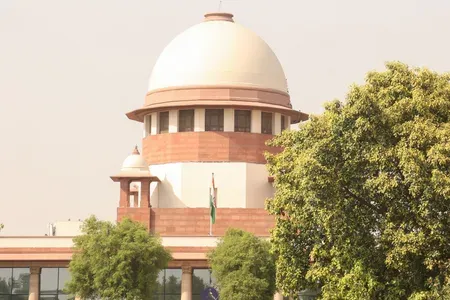
The Supreme Court-constituted High Powered Enquiry Committee (HPEC) has begun formally inviting complaints and representations from individuals affected by violence at Jantar Mantar, New Delhi, and other cities during July 2026 protests over alleged exam irregularities, according to a Union Home Ministry official statement issued on Saturday, 17 October. The five-member panel, headed by former Justice R. Subhash Reddy, has launched a dedicated portal at hpec.nic.in to facilitate submissions from victims, witnesses, and affected police personnel alike.
What the HPEC Has Been Tasked to Examine
The committee has been directed to investigate all aspects of the violence that erupted at Jantar Mantar and at locations outside the capital during the student protests in July. According to the official statement, the HPEC is specifically required to examine issues enumerated in paragraphs 12 and 13 of the Supreme Court's order dated 18 August 2026, and paragraph 5(i) of the order dated 10 September 2026.
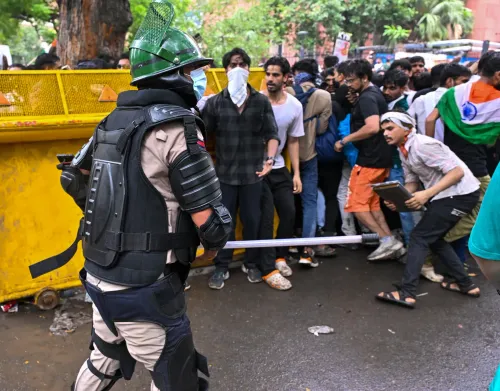
Priority areas include the use of pellet guns, targeted violence and harassment of female protestors, and excessive force and destruction of property on either side, according to the statement.
What the Supreme Court Directed
A Supreme Court bench headed by Chief Justice Surya Kant directed the HPEC to examine 'the use of excessive force and violence against protestors by police authorities and other agencies, including the deployment of pellet guns, electric batons, lathi charges, and tear gas without adequate warning or proportionality, resulting in severe bodily harm and injuries, some of which are alleged to be of a grievous and lasting nature.'
Chief Justice Kant also clarified that larger constitutional questions relating to facial recognition technology, surveillance, and privacy would be decided by the apex court itself and would not fall within the HPEC's remit. The court additionally directed that all CCTV footage, drone recordings, body-worn camera footage, wireless communication records, and PCR call logs preserved by police and paramilitary agencies since 28 July 2026 be furnished to the committee in full.
How Affected Persons Can Submit Complaints
The HPEC portal is designed to protect vulnerable witnesses, with an option to keep identities confidential if requested, the statement noted. Affected persons and stakeholders can upload complaints or representations directly through the portal using prescribed formats.
Those preferring physical submissions may visit the Office of the HPEC at Shiksha Sadan, 17, Rouse Avenue Institutional Area, New Delhi — 110002, between 2 pm and 4 pm on all working days. Submissions can also be sent by post or email to the same address.
Background and Broader Context
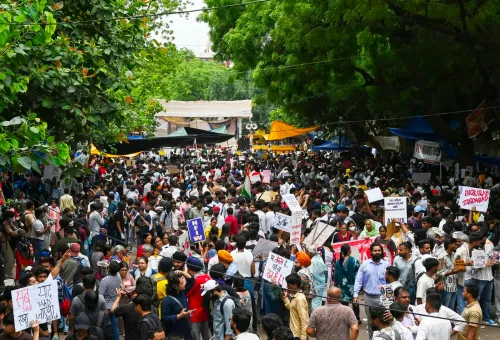
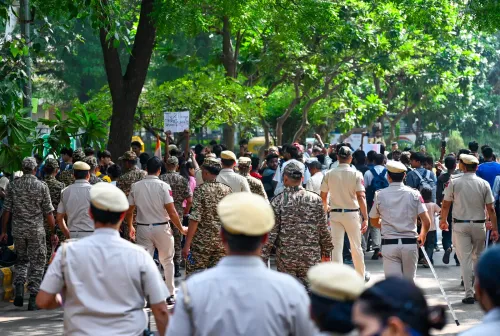
The July protests erupted amid widespread allegations of irregularities in competitive examinations, drawing large student gatherings at Jantar Mantar and other public spaces across India. The demonstrations reportedly turned violent, with allegations of disproportionate force by law enforcement, including the use of pellet guns — a crowd-control measure that has drawn sustained criticism from civil liberties groups following its earlier use in Jammu and Kashmir.
This is the first time the Supreme Court has constituted such a high-powered panel specifically to probe state conduct during a student protest movement of this scale. The HPEC's findings are expected to carry significant weight in ongoing apex court proceedings, and its report could shape future guidelines on protest policing across India.
Point of View
But the real test lies in what the committee does with what it receives. Complaints portals in past judicial inquiries have collected voluminous material that ultimately informed no binding outcome. The Supreme Court's decision to retain constitutional questions on surveillance and facial recognition for itself — rather than delegating them to the HPEC — signals judicial awareness of how easily such panels can be used to defer rather than resolve hard questions. The pellet gun issue, in particular, has a long and unresolved history in Indian protest policing; whether this inquiry produces enforceable guidelines or another shelved report will define its legacy.
NationPress
17 Oct 2026
Frequently Asked Questions
What is the HPEC and why was it constituted?
The High Powered Enquiry Committee (HPEC) is a five-member panel constituted by the Supreme Court to investigate violence during student protests at Jantar Mantar, New Delhi, and other cities in July 2026. It was set up following allegations of excessive force by law enforcement, including the use of pellet guns, against protestors demonstrating over alleged exam irregularities.
How can affected persons submit complaints to the HPEC?
Affected persons can file complaints online at hpec.nic.in, which allows for confidential submissions. Physical submissions can be made at Shiksha Sadan, 17, Rouse Avenue Institutional Area, New Delhi — 110002, between 2 pm and 4 pm on working days, or sent by post or email to the same address.
What issues will the HPEC prioritise?
The committee will prioritise complaints related to the use of pellet guns, targeted violence and harassment of female protestors, and excessive force or destruction of property by either side during the July 2026 protests. Its mandate is drawn from Supreme Court orders dated 18 August 2026 and 10 September 2026.
Will the HPEC also examine surveillance and facial recognition issues?
No. Chief Justice Surya Kant explicitly clarified that constitutional questions relating to facial recognition technology, surveillance, and privacy will be decided by the Supreme Court itself and fall outside the HPEC's remit.
What evidence has the Supreme Court directed authorities to submit to the HPEC?
The Supreme Court has directed police authorities, paramilitary forces, and investigating agencies to furnish all CCTV footage, drone footage, body-worn camera recordings, videography, wireless communication records, and PCR call logs related to the student protests, preserved since 28 July 2026, to the HPEC.