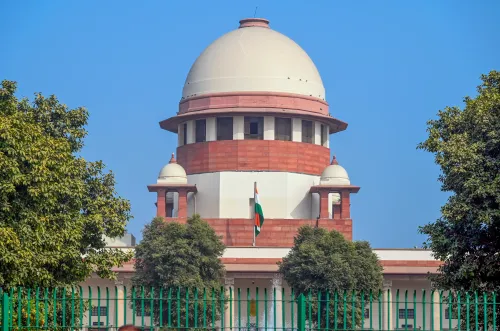
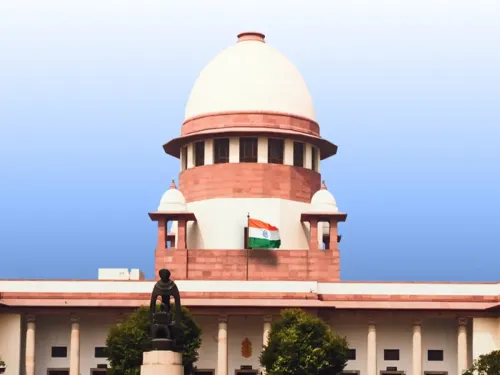
SC closes Tamil Nadu electoral roll SIR pleas, cites Bihar ruling
Synopsis
The Supreme Court has shut the door on legal challenges to the ECI's Special Intensive Revision of Tamil Nadu's electoral rolls, applying its Bihar SIR precedent. The DMK's 'de facto NRC' argument — which had alarmed voter-rights advocates — was effectively buried by the Bihar verdict before the Tamil Nadu bench could rule independently.
Key Takeaways
The Supreme Court on 16 July closed petitions challenging the ECI's Special Intensive Revision (SIR) of electoral rolls in Tamil Nadu .
The Bench of CJI Surya Kant , Justice Joymalya Bagchi , and Justice V.
Mohana held that the Tamil Nadu issues were covered by the earlier Bihar SIR judgment .
The DMK had argued the SIR was a 'de facto NRC' violating Articles 14, 19, 21, 325, and 326 of the Constitution.
The Bihar verdict had upheld the ECI's powers under Article 324 read with Section 21(3) of the Representation of the People Act, 1950.
Petitioners were granted liberty to pursue any other remedy available under law.
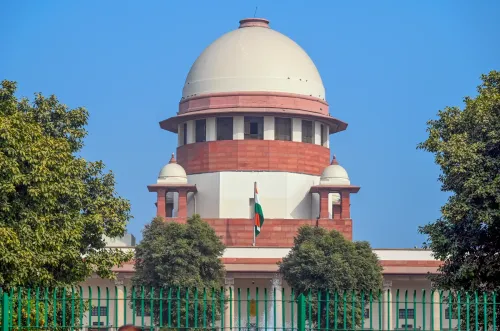
The Supreme Court on Thursday, 16 July closed a batch of petitions challenging the Election Commission of India's (ECI) Special Intensive Revision (SIR) of electoral rolls in Tamil Nadu, holding that its recent judgment upholding the identical exercise in Bihar had already settled the legal questions at issue.
A Bench comprising Chief Justice of India (CJI) Surya Kant and Justices Joymalya Bagchi and V. Mohana passed the order, observing that the constitutional and statutory challenges raised in the Tamil Nadu petitions were squarely covered by the earlier Bihar SIR verdict. The court, however, granted liberty to the petitioners to pursue any other remedy available under law.
What the Petitions Alleged
The petitions — including one filed by the then-ruling Dravida Munnetra Kazhagam (DMK) — challenged the poll body's 27 October order directing a Special Intensive Revision of electoral rolls in Tamil Nadu ahead of the Assembly elections. The DMK contended that the order was arbitrary, unreasonable, and violated the Constitution.
The petitioners argued that the exercise, if permitted, would arbitrarily disenfranchise lakhs of voters and violate Articles 14, 19, 21, 325, and 326 of the Constitution, along with the Representation of the People Act, 1950 and the Registration of Electors Rules, 1960. The DMK described it as a 'colourable exercise of power', alleging that the SIR amounted to a 'de facto National Register of Citizens (NRC)' by imposing citizenship-like burdens of proof on registered voters — even though, it argued, the ECI lacked the authority to determine citizenship.
The petition also noted that Tamil Nadu had already completed a Special Summary Revision of electoral rolls in January 2025, making a fresh de novo verification unnecessary and without statutory justification.
What the Bihar Judgment Held
In its earlier Bihar SIR verdict, the CJI Surya Kant-led Bench had held that the revision exercise fell squarely within the constitutional and statutory powers of the ECI, aimed at preserving the integrity of the electoral process. The court ruled that the SIR did not violate the Representation of the People Act, 1950 or the rules framed under it, and that the ECI was empowered to undertake such a revision under Article 324 of the Constitution read with Section 21(3) of the RPA.
The apex court had observed that 'free and fair elections do not rest merely upon the mechanics of polling' but fundamentally depend upon the integrity, accuracy, and credibility of the electoral rolls. It had also rejected the argument that the SIR constituted an impermissible citizenship exercise, holding that while the ECI could conduct a limited inquiry into citizenship for electoral purposes, such scrutiny did not amount to a final determination of citizenship under the Citizenship Act.
Implications for Tamil Nadu
By applying the Bihar precedent to Tamil Nadu, the Supreme Court has effectively foreclosed the primary legal route to stalling the SIR in the state. The DMK and co-petitioners retain the liberty to seek alternative remedies, though the scope of such challenges has been significantly narrowed by the Bihar ruling. This is the second major state where the apex court has declined to halt the ECI's intensive revision drive, signalling a consistent judicial stance on the poll body's powers under Article 324.
What Happens Next
With the petitions closed, the ECI's SIR process in Tamil Nadu can proceed without a court-imposed stay. Observers will watch whether the DMK or other petitioners pursue statutory appeals or approach the court on narrower grounds. The Bihar judgment now stands as a binding precedent on the scope of the ECI's electoral roll revision powers across states.
Point of View
Yet the court's Bihar ruling had already drawn a clear line: the ECI's citizenship inquiry for electoral purposes is limited and does not constitute a final citizenship determination. What remains unresolved is whether the SIR's on-ground implementation will honour that distinction — the court has validated the power, not the exercise of it in every individual case. Voter-rights groups will now shift focus to monitoring the revision process itself, since the litigation route has effectively been closed.
NationPress
15 Oct 2026
Frequently Asked Questions
Why did the Supreme Court close the Tamil Nadu SIR petitions?
The Supreme Court closed the petitions because it had already delivered a judgment in the Bihar SIR matter upholding the ECI's Special Intensive Revision powers, and found that the legal issues raised in the Tamil Nadu petitions were fully covered by that ruling. The Bench of CJI Surya Kant, Justice Joymalya Bagchi, and Justice V. Mohana passed the order on 16 July.
What is the ECI's Special Intensive Revision (SIR) of electoral rolls?
The Special Intensive Revision is a process by which the Election Commission of India conducts a comprehensive, door-to-door verification and updating of electoral rolls to ensure their accuracy and integrity. The ECI ordered such a revision in Tamil Nadu via a 27 October directive ahead of the state's Assembly elections.
What did the DMK argue in its petition against the Tamil Nadu SIR?
The DMK argued that the SIR was arbitrary, unconstitutional, and amounted to a 'de facto NRC' by imposing citizenship-like burdens of proof on already-registered voters. It also contended that Tamil Nadu had completed a Special Summary Revision in January 2025, making a fresh de novo exercise unnecessary.
What did the Supreme Court's Bihar SIR judgment hold?
The Bihar SIR judgment held that the ECI's revision exercise was within its constitutional and statutory powers under Article 324 of the Constitution read with Section 21(3) of the Representation of the People Act, 1950. The court also ruled that the SIR did not amount to a final determination of citizenship under the Citizenship Act.
Can the Tamil Nadu petitioners challenge the SIR further?
Yes. The Supreme Court granted liberty to the petitioners to pursue any other remedy available under law, though the Bihar precedent significantly narrows the grounds on which a fresh legal challenge can be mounted.