Shiv Sena (UBT) defends peace bond signatories in Saamana editorial
Synopsis
Shiv Sena (UBT)'s Saamana has drawn a clear legal line in the peace bond debate — arguing that signing one is a tactical choice, not a surrender. By citing the Madhu Limaye precedent and the BNSS framework, the party is turning a procedural controversy into a broader statement on democratic rights, and publicly challenging a former Supreme Court judge's reading of protest strategy.
Key Takeaways
Shiv Sena (UBT) defended youth activists who signed peace bonds after arrests at Tiranga protests in New Delhi , through an editorial in Saamana on 27 October .
Youth leaders Abhijeet Dipke , Saurabh Das , Ashutosh Ranka , and Ajinkya Shinde signed peace undertakings to secure release; activist Neha Bora refused and challenged the practice in the Delhi High Court .
The Delhi High Court ruled authorities cannot demand a peace bond until an inquiry concludes and a full police report is submitted.
Former Supreme Court judge Justice Markandey Katju criticised the signatories; the Saamana editorial directly rebutted his position citing the Madhu Limaye precedent.
Under Section 141 BNSS , only a magistrate can declare a bond breached; the maximum consequence is one year simple imprisonment plus bond forfeiture.
Uddhav Thackeray 's party called on senior legal figures to mentor — not criticise — youth activists navigating procedural state pressure.
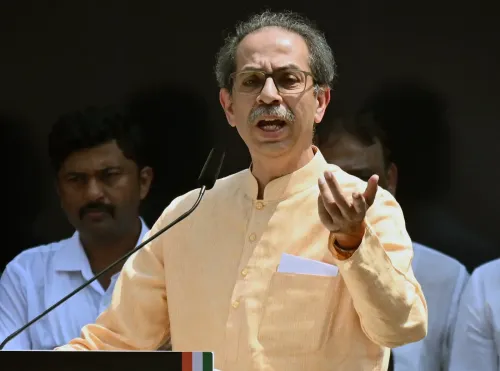
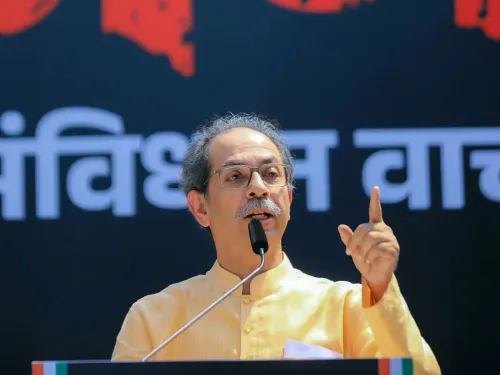
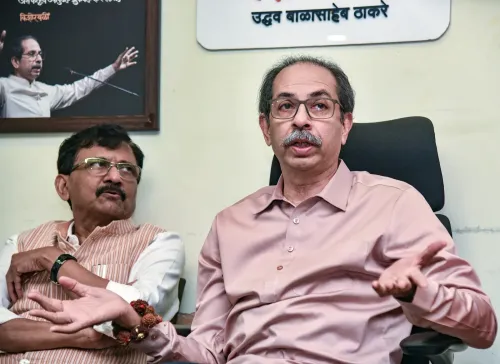
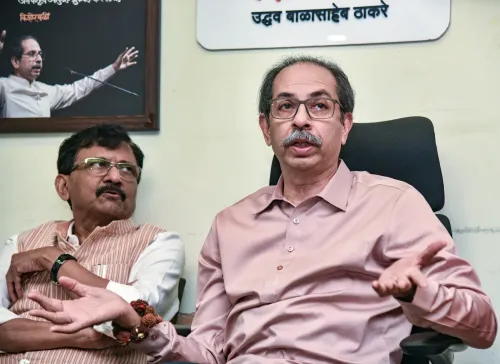
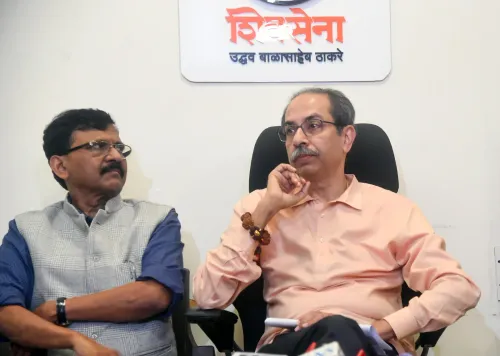
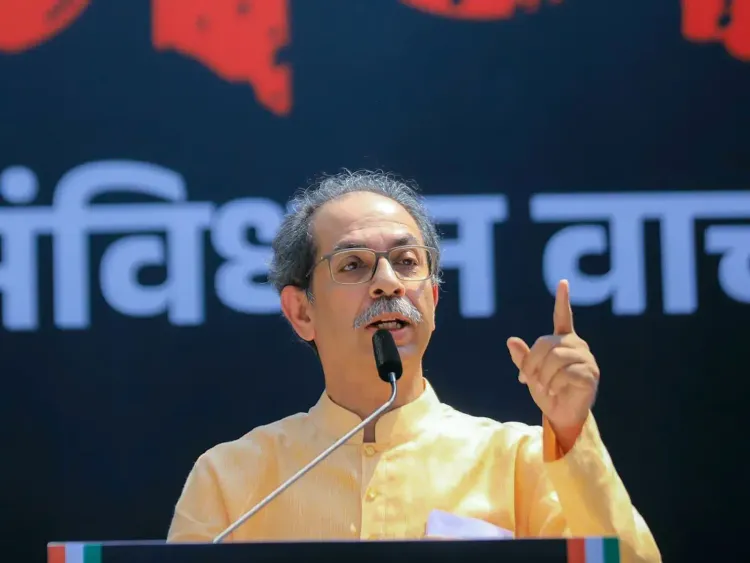
Shiv Sena (Uddhav Balasaheb Thackeray) on Tuesday, 27 October publicly rallied behind youth activists who signed 'peace bonds' following their arrest during Tiranga demonstrations against the ban on protests at venues including Jantar Mantar in New Delhi. The defence came through a pointed editorial in the party's mouthpiece, Saamana, asserting that signing such an undertaking is neither an apology nor a capitulation to state authority.
The Arrests and the Split Response
The controversy centres on youth leaders identified as Abhijeet Dipke, Saurabh Das, Ashutosh Ranka, and Ajinkya Shinde, described in the editorial as leaders of the 'Cockroach Party', who signed peace undertakings to secure their release after being detained during the protests. In contrast, activist Neha Bora refused to sign a similar undertaking and took the matter to court instead.
The Delhi High Court subsequently issued directives clarifying that authorities cannot demand a peace bond from a detainee until an ongoing inquiry concludes and a full police report is formally submitted. The court also noted that no lawful bond had been formally demanded from Bora in the prescribed manner.
Justice Katju's Criticism and the Party's Rebuttal
The editorial noted that the divergence in approach attracted sharp comment from former Supreme Court judge Justice Markandey Katju, who reportedly praised Bora's refusal while criticising the youth leaders who signed the undertaking, framing their compliance as a significant strategic liability for democratic movements.
Pushing back firmly, the Saamana editorial mounted a detailed legal defence. Citing the landmark Supreme Court precedent in the Madhu Limaye case, it argued that peace bonds are strictly preventive — not punitive — instruments. 'Signing a peace bond does not equate to issuing an apology, kneeling before the government, or confessing to a crime. It is merely an undertaking to maintain peace; it does not enforce absolute silence or legally prevent citizens from participating in public demonstrations,' the editorial stated.
The Legal Framework Explained
The editorial also laid out the governing statutory provisions under the Bharatiya Nagarik Suraksha Sanhita (BNSS). Under the former Section 107 of the IPC — now Section 126 BNSS — a peace bond is an undertaking to maintain peace that does not strip citizens of their fundamental rights under Article 19 of the Constitution, which protects peaceful assembly and protest.
Under the former Section 122 of the IPC — now Section 141 BNSS — police officers hold no unilateral authority to declare a bond violated. Any alleged breach must be formally proved before a magistrate. Even if a breach is established, the legal consequence is limited to simple imprisonment for a maximum of one year for the remainder of the bond duration, alongside forfeiture of the specified bond amount.
Call to Legal Mentors and Youth
In its closing argument, the Uddhav Thackeray-led party urged young citizens fighting for democratic freedoms not to be intimidated by procedural mechanisms deployed by law enforcement. It also called on senior legal voices — naming Justice Katju specifically — to actively mentor and encourage emerging youth leaders rather than publicly penalising the tactical choices they make under duress.
This comes amid a broader national conversation about the limits of the right to protest and the tools the state uses to manage dissent, a debate that has only intensified following the tightening of protest restrictions at designated venues in New Delhi.
Point of View
Not political sympathy. What the editorial doesn't resolve is whether tactical compliance with peace bonds gradually normalises a tool the state can expand. Justice Katju's critique, however abrasive, raises a legitimate long-term question: if every arrest ends with a signed undertaking, does the cumulative chilling effect on protest outweigh the short-term relief of release? That tension — pragmatism versus principle — is the real fault line this debate has exposed.
NationPress
27 Oct 2026
Frequently Asked Questions
What is a peace bond and why is it controversial in the New Delhi protest case?
A peace bond is a preventive legal undertaking — not a punishment — requiring a person to maintain public order. It became controversial after youth activists were required to sign such undertakings following arrests at Tiranga demonstrations in New Delhi, with critics including former Supreme Court judge Justice Markandey Katju arguing that compliance amounted to a strategic concession against the right to protest.
What did the Delhi High Court rule about peace bonds?
The Delhi High Court ruled that authorities cannot demand a peace bond from a detainee until an ongoing inquiry concludes and a full police report has been formally submitted. The court also noted that no lawful bond had been formally demanded from activist Neha Bora in the prescribed manner.
What legal provisions govern peace bonds in India?
Peace bonds are governed by Section 126 of the Bharatiya Nagarik Suraksha Sanhita (BNSS), which replaced the former Section 107 of the IPC. A breach of bond cannot be unilaterally declared by police — it must be proved before a magistrate under Section 141 BNSS, and the maximum penalty is one year of simple imprisonment plus forfeiture of the bond amount.
Why did Shiv Sena (UBT) defend the activists who signed peace bonds?
Shiv Sena (UBT), through its Saamana editorial, argued that signing a peace bond is a legally sound and purely preventive measure that does not constitute an apology or an admission of guilt. The party cited the Supreme Court's Madhu Limaye precedent to back its position, and called on senior legal figures to guide youth activists rather than criticise their tactical decisions.
Who is Neha Bora and why is she significant in this controversy?
Neha Bora is an activist who, unlike her co-protesters, refused to sign a peace bond after her arrest at the Tiranga demonstrations and challenged the practice in the Delhi High Court. Her defiance was publicly praised by former Supreme Court judge Justice Markandey Katju, making her the focal point of the debate over whether signing such undertakings undermines democratic protest movements.