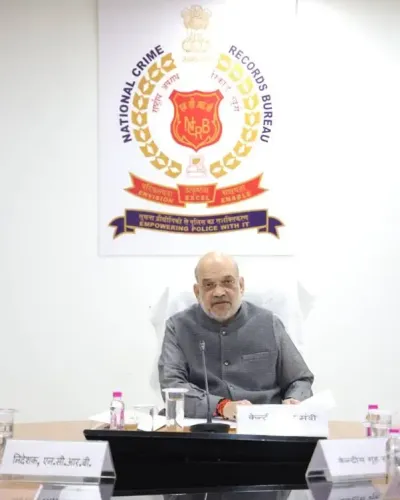
Amit Shah launches 4 forensic apps at Fingerprint Conference
Synopsis
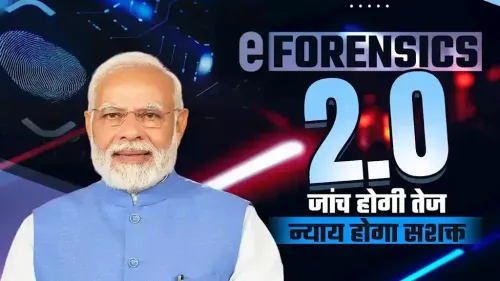
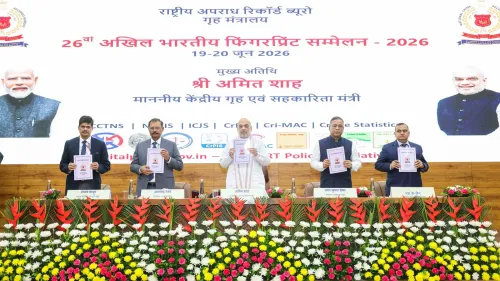
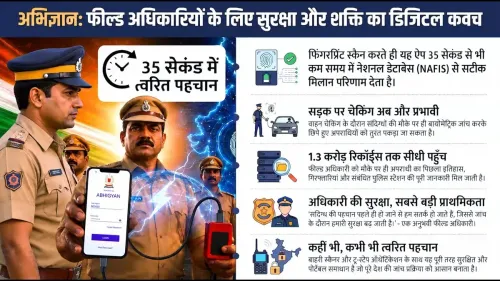
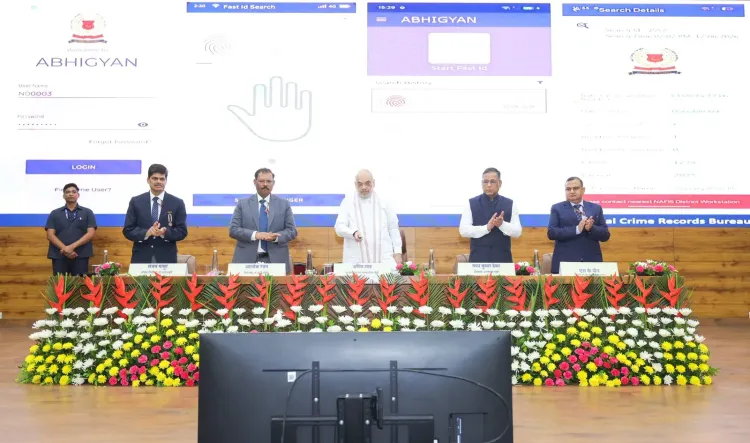
Union Home Minister Amit Shah launched four forensic and prosecution technology applications — NCRB-Abhigyan, CrPI, E-Forensics 2.0 and E-Prosecution 2.0 — at the 26th All India Fingerprint Conference on June 19, 2026, expanding India's biometric and digital coordination capabilities across criminal justice agencies.
Key Takeaways
Four applications launched : NCRB-Abhigyan, CrPI, E-Forensics 2.0 and E-Prosecution 2.0 were unveiled at the 26th All India Fingerprint Conference-2026 on June 19, 2026 .
The tools enable instant fingerprint matching as well as integrated DNA, iris and facial recognition matching.
E-Prosecution 2.0 and E-Forensics 2.0 are designed to enable seamless digital coordination among police, forensic and prosecution agencies.
The launch extends the infrastructure built on CCTNS (2009) and NAFIS (2022) , adding multi-modal biometric capabilities.
The National Crime Records Bureau (NCRB) under the Ministry of Home Affairs will anchor implementation of the new platforms.
State-level rollout timelines and integration with existing systems remain the key milestones to watch.
Union Home Minister Amit Shah on Friday, June 19, 2026, launched four technology applications at the 26th All India Fingerprint Conference-2026, aimed at accelerating forensic identification and digital coordination across India's criminal justice agencies. The applications — NCRB-Abhigyan, CrPI, E-Forensics 2.0 and E-Prosecution 2.0 — were described by the Minister as tools to deliver 'speed and accuracy in justice delivery.'
Context
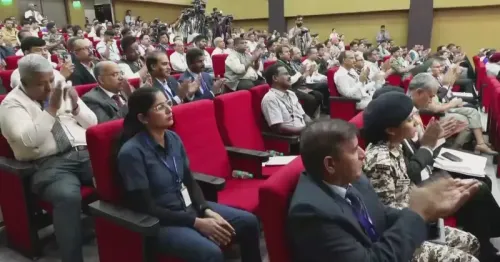
Speaking at the conference, Shah said the four applications would enable 'instant matching of fingerprints, integrated DNA, iris and face matching and seamless digital coordination among agencies.' The All India Fingerprint Conference is an annual national forum convened to advance fingerprint science, forensic identification and inter-agency technology standards. The 26th edition brought together police forces, forensic scientists and prosecution officials from across the country.
Policy backdrop
The launch builds on a multi-year digitisation drive by the Ministry of Home Affairs (MHA). The Crime and Criminal Tracking Network and Systems (CCTNS), introduced in 2009, first sought to digitise police records and enable nationwide data sharing. A decade later, the National Automated Fingerprint Identification System (NAFIS), inaugurated in 2022, created a centralised digital fingerprint repository managed by the National Crime Records Bureau (NCRB). The four applications launched on Friday are positioned as the next layer atop these existing platforms, extending biometric integration beyond fingerprints to include DNA, iris and facial recognition data.
The NCRB, which sits under the Home Ministry, has historically maintained India's crime databases and forensic coordination infrastructure. The new suite of tools is designed to reduce manual processes that have long been cited as a source of delay in investigation and prosecution workflows.
Stakeholders and impact
The primary beneficiaries of the new applications are state and central police forces, forensic laboratories and prosecution agencies. By enabling integrated matching across multiple biometric modalities — fingerprint, DNA, iris and face — the tools are intended to shorten the identification cycle in criminal investigations. The seamless digital coordination feature in E-Prosecution 2.0 and E-Forensics 2.0 is aimed at reducing inter-agency paperwork and the delays it creates between investigation, forensic analysis and court proceedings.
India's courts have long grappled with high case pendency, and a portion of that backlog is attributed to delays in forensic reporting and evidence documentation. Digital coordination tools of this nature are seen by the MHA as a structural intervention in that chain.
What's next
Attention will now turn to state-level rollout timelines and the degree to which these applications integrate with the existing CCTNS infrastructure. Parliamentary oversight and periodic NCRB performance reports will be key indicators of whether the tools measurably improve investigation speed or conviction efficiency. The MHA's broader push to embed biometric identification across criminal justice workflows suggests further upgrades to this ecosystem are likely in the near term.
Point of View
Multi-modal biometric architecture. Building on NAFIS and CCTNS, this represents a qualitative shift — not just digitising existing processes but attempting to interlink fingerprint, DNA, iris and facial identification in a single workflow. The political significance is clear: Amit Shah has consistently used forensic modernisation as a visible marker of the BJP government's law-and-order credentials. The real test, however, will be state adoption, since criminal justice is a concurrent subject and uneven rollout could blunt the national impact of these tools.
NationPress
19 Sept 2026
Frequently Asked Questions
What are NCRB-Abhigyan, CrPI, E-Forensics 2.0 and E-Prosecution 2.0?
These are four technology applications launched by Union Home Minister Amit Shah at the 26th All India Fingerprint Conference on June 19, 2026. They are designed to enable instant fingerprint matching, integrated DNA, iris and face identification, and seamless digital coordination between police, forensic and prosecution agencies.
What is the All India Fingerprint Conference?
The All India Fingerprint Conference is an annual national-level forum that brings together police forces, forensic scientists and identification experts to advance fingerprint science and related technologies. The 26th edition was held in 2026.
What is NAFIS and how does it relate to these new applications?
NAFIS, the National Automated Fingerprint Identification System, was inaugurated in 2022 to create a centralised digital fingerprint repository under the NCRB. The new applications launched in 2026 build on NAFIS and CCTNS infrastructure by adding multi-modal biometric capabilities including DNA, iris and face matching.
What is the role of NCRB in India's forensic system?
The National Crime Records Bureau (NCRB) is a central government agency under the Ministry of Home Affairs that maintains India's crime databases, fingerprint records and forensic coordination platforms. It is the nodal body for implementing tools like NAFIS and the newly launched applications.
How will these forensic applications help reduce case pendency in Indian courts?
By enabling faster biometric identification and seamless digital coordination between investigating officers, forensic laboratories and prosecution agencies, the applications aim to reduce the time taken for forensic reports and evidence documentation — a key source of delay in the criminal justice chain.