Amit Shah Inaugurates SABAREESAM Complex at Delhi Ayyappa Temple
Synopsis
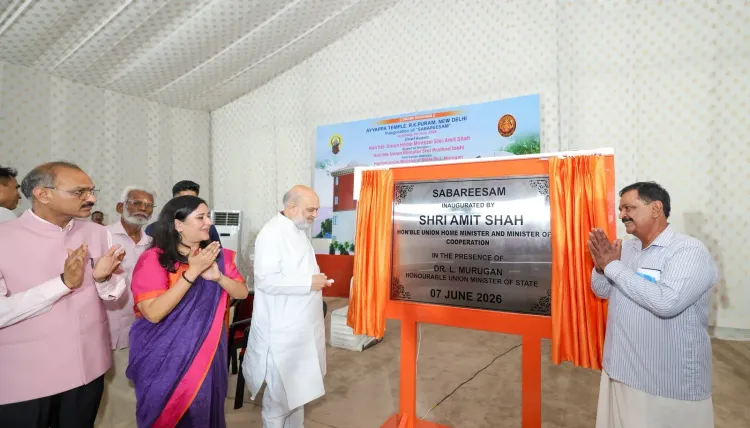
Union Home Minister Amit Shah on June 7, 2026, inaugurated the SABAREESAM Complex at the Ayyappa Temple in New Delhi — a new facility for spiritual discourses and welfare programmes designed to strengthen the cultural identity of the Malayali community in the capital.
Key Takeaways
Amit Shah inaugurated the SABAREESAM Complex at the Ayyappa Temple in New Delhi on June 7, 2026 .
The complex is purpose-built to host spiritual discourses and welfare initiatives run by the temple.
The facility is named after Sabarimala , the principal Ayyappa pilgrimage shrine in Kerala .
Shah stated the complex will 'strengthen the cultural roots' of Keralite sisters and brothers living in Delhi.
The inauguration is part of a broader pattern of BJP leaders supporting temple-linked cultural and welfare infrastructure for migrant communities.
The Malayali diaspora in the national capital region is the primary beneficiary of the new facility.
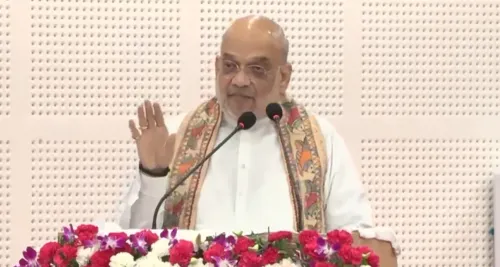
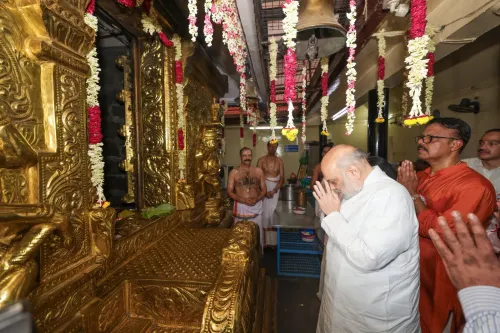
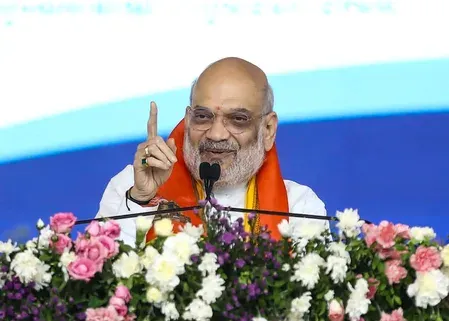
Union Home Minister Amit Shah on Sunday, June 7, 2026, inaugurated the newly built SABAREESAM Complex at the Ayyappa Temple premises in New Delhi, providing a dedicated facility for spiritual discourses and welfare programmes serving the Malayali community in the capital.
What Was Inaugurated
The SABAREESAM Complex is a newly constructed facility within the Ayyappa Temple compound in New Delhi. Shah stated that the complex 'will house spiritual discourses and welfare initiatives undertaken by the temple,' providing a permanent, purpose-built venue for activities that previously lacked dedicated infrastructure.
In a bilingual post in English and Malayalam, Shah added that the facility would 'strengthen the cultural roots of our sisters and brothers from Keralam' — using the traditional Malayalam rendering of the state's name. The Malayalam text reads: ആത്മീയ പ്രഭാഷണങ്ങൾക്കും ക്ഷേമപ്രവർത്തനങ്ങൾക്കും പുതിയ ഈ സൗകര്യം വേദിയാകും ('This new facility will serve as a venue for spiritual discourses and welfare activities').
Context
The Ayyappa Temple in New Delhi caters to a large and established Malayali diaspora in the national capital region. Lord Ayyappa, whose principal shrine is at Sabarimala in Kerala, is among the most widely venerated deities in southern India, drawing millions of pilgrims annually. The new complex draws its name — SABAREESAM — from that sacred Sabarimala association, signalling a deliberate link between the Delhi facility and the devotional traditions of Kerala.
Migrant communities from Kerala have long maintained temple networks in major Indian cities as anchors of cultural identity, language, and religious practice. Such institutions often expand over time to include welfare functions — community assistance, educational programmes, and cultural events — particularly for new arrivals and economically vulnerable members of the community.
Policy Backdrop
The inauguration fits within a broader pattern of BJP leaders participating in temple-related infrastructure events that combine religious, cultural, and welfare functions. Successive governments at the Centre have encouraged religious institutions to expand community outreach among migrant populations, viewing such efforts as reinforcing cultural continuity and social cohesion.
For Amit Shah, who holds the Union Home Ministry as well as the Ministry of Cooperation, engagement with diaspora communities from individual states in the national capital carries both cultural and political dimensions. Kerala is a state where the BJP has been seeking to expand its electoral footprint, and outreach to the Malayali community — both in Kerala and in cities like Delhi — is a consistent feature of the party's strategy.
Stakeholders and Impact
The primary beneficiaries of the SABAREESAM Complex are Keralite devotees and Malayali community members residing in and around New Delhi. The facility is expected to host regular spiritual discourses, community welfare programmes, and cultural events that help preserve language, tradition, and religious practice among a community living far from its home state.
Temple-based welfare networks frequently provide practical support — from legal aid to employment assistance — to migrants, making infrastructure of this kind significant beyond its religious function. Malayali community organisations in Delhi are likely to be key partners in programming the new space.
What's Next
The inauguration of the SABAREESAM Complex may encourage similar infrastructure expansions at other south Indian temples in the capital and in cities with large Malayali populations such as Mumbai, Chennai, and Bengaluru. Observers will watch whether state-level cultural associations in Kerala coordinate with the Delhi temple to design welfare and outreach programmes for the new facility, and whether further temple infrastructure projects follow in other major cities.
Point of View
Shah signals sustained attention to Keralite voters and community leaders at a time when the BJP is deepening its outreach in Kerala. Temple-based welfare infrastructure has historically served as a durable point of contact between political leadership and migrant communities, making such inaugurations more than ceremonial. The move fits a longer arc of the BJP seeking to embed itself in the cultural life of communities from states where the party remains a challenger rather than a dominant force.
NationPress
23 Oct 2026
Frequently Asked Questions
What is the SABAREESAM Complex in New Delhi?
The SABAREESAM Complex is a newly constructed facility at the Ayyappa Temple premises in New Delhi, inaugurated on June 7, 2026. It is designed to host spiritual discourses, welfare programmes, and cultural activities for the Malayali community in the capital.
Why is the complex named SABAREESAM?
The name SABAREESAM is derived from Sabarimala, the famous Ayyappa pilgrimage shrine in Kerala. The name links the Delhi facility to the devotional traditions of Kerala and the wider Ayyappa worship community.
Who inaugurated the SABAREESAM Complex?
Union Home Minister Amit Shah inaugurated the SABAREESAM Complex on Sunday, June 7, 2026, at the Ayyappa Temple in New Delhi.
What will the SABAREESAM Complex be used for?
The complex will serve as a venue for spiritual discourses and welfare initiatives organised by the Ayyappa Temple, as well as cultural activities aimed at strengthening the heritage of Keralites living in New Delhi.
Where is the Ayyappa Temple in New Delhi located?
The Ayyappa Temple is located in New Delhi and serves as a key religious and cultural centre for the Malayali and broader south Indian community in the national capital region.