Shekhawat Hosts Live Workshop on National Digitization Drive
Synopsis
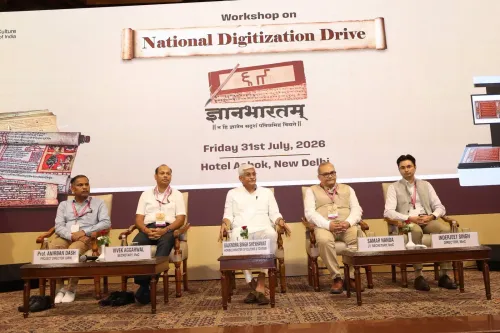
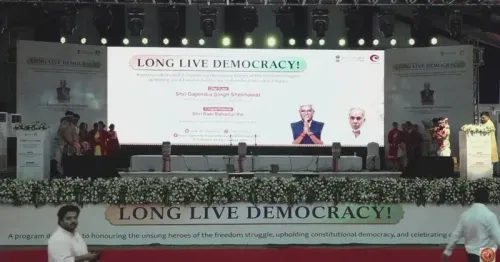
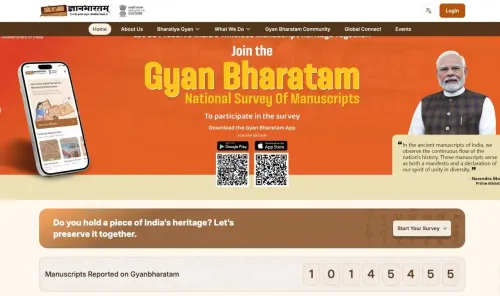
Union Culture Minister Gajendra Singh Shekhawat hosted a live workshop on July 31, 2026 under the National Digitization Drive | Gyan Bharatam, advancing India's long-running mission to digitise its vast manuscript heritage and widen public access to fragile textual collections.
Key Takeaways
Union Culture and Tourism Minister Gajendra Singh Shekhawat hosted a live workshop on July 31, 2026 under the National Digitization Drive | Gyan Bharatam .
The initiative builds on the National Mission for Manuscripts , launched in 2003 , which established India's framework for surveying and conserving manuscript heritage.
Digitisation reduces physical handling risks to fragile manuscripts while widening access for researchers and citizens nationwide.
Key stakeholders include manuscript scholars and state archive officials who execute digitisation targets at the ground level.
The drive aligns with broader Digital India priorities applied to cultural resources, with integration into national digital library platforms as a key milestone to watch.
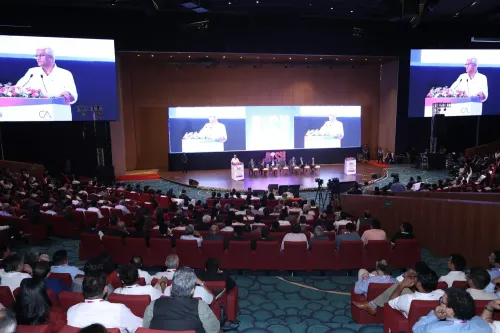
India's vast manuscript heritage — millions of fragile texts scattered across temples, archives, and private collections — got a moment in the spotlight on Friday, July 31, 2026, as Union Culture and Tourism Minister Gajendra Singh Shekhawat anchored a live workshop under the National Digitization Drive | Gyan Bharatam initiative.
What Gyan Bharatam is building toward
The workshop, streamed live, sits within the Ministry of Culture's broader push to move India's textual heritage off crumbling shelves and onto secure digital platforms. The Ministry's National Mission for Manuscripts — launched in 2003 — first established the framework for surveying, conserving, and digitising the country's manuscript wealth. Successive governments have scaled that ambition, folding it into the wider Digital India priority stack.
The logic is straightforward: every physical handling of a centuries-old palm-leaf or birch-bark manuscript risks irreversible damage. Digitisation removes that risk while simultaneously throwing the doors open to researchers, students, and citizens who could never travel to a distant archive.
Manuscripts, scholars, and the long road to scale
India is estimated to hold one of the largest manuscript collections in the world — spanning Sanskrit, Arabic, Persian, Tamil, and dozens of other languages and scripts. Turning that into a living, searchable digital library requires not just scanning equipment but trained archivists, metadata standards, and integration with platforms like the National Digital Library of India. Workshops like today's are where that institutional capacity gets built, one cohort at a time.
The key audiences — manuscript scholars and state archive officials — are the people who will actually execute digitisation targets on the ground. Getting them into the same room, even a virtual one, is how national drives translate into district-level action.
Point of View
Broadcast-ready policy priority. By hosting a live, public-facing event, Shekhawat is framing cultural heritage preservation as a Digital India deliverable, connecting a 2003-era mission to the current government's technology-forward brand. The choice to stream the workshop also suggests an intent to build a wider constituency for archival work beyond specialist circles. Whether roll-out milestones and integration with national library platforms follow will determine if the momentum is structural or ceremonial.
NationPress
14 Sept 2026
Frequently Asked Questions
What is Gyan Bharatam?
Gyan Bharatam is a National Digitization Drive under India's Ministry of Culture aimed at digitising the country's manuscript and textual heritage to preserve fragile records and widen public access.
What is the National Mission for Manuscripts?
The National Mission for Manuscripts was launched in 2003 to survey, conserve, and digitise India's vast manuscript collections spanning multiple languages and scripts.
Why is manuscript digitisation important for India?
India holds one of the world's largest manuscript collections. Digitisation prevents damage from physical handling and makes rare texts accessible to researchers and citizens who cannot visit distant archives.
Who is Gajendra Singh Shekhawat?
Gajendra Singh Shekhawat is India's Union Minister of Culture and Tourism, a senior BJP leader, and a Lok Sabha MP from Jodhpur, Rajasthan.
How does the National Digitization Drive connect to Digital India?
The Ministry of Culture has aligned successive manuscript and heritage digitisation programmes with the broader Digital India framework, including potential integration with the National Digital Library of India.