Shekhawat shares live stream of BRICS Cultural Festival Day 2
Synopsis
Union Culture and Tourism Minister Gajendra Singh Shekhawat shared a live broadcast of Day 2 of the BRICS Cultural Festival on 7 August 2026, extending the multi-nation cultural showcase to digital audiences and underscoring India's role in the bloc's soft-power programming.
Key Takeaways
Union Culture and Tourism Minister Gajendra Singh Shekhawat shared a live stream link for Day 2 of the BRICS Cultural Festival on 7 August 2026 .
The BRICS Cultural Festival is a recurring people-to-people initiative that runs alongside the bloc's economic and geopolitical agenda.
India is a founding member of BRICS and has consistently used its Culture Ministry to organise and promote festival programming.
The Ministry's live broadcast extends the festival's reach to digital audiences beyond the physical venue.
No formal Ministry statement on Day 2 outcomes or future BRICS cultural programming had been issued at the time of publication.
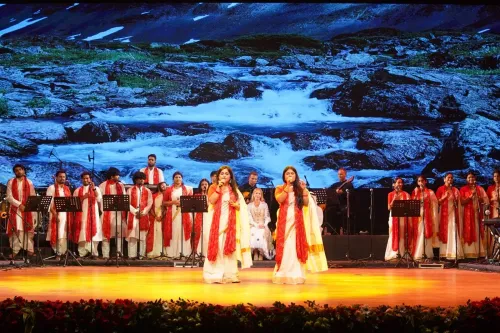
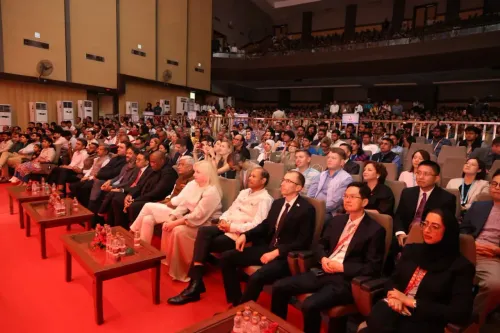
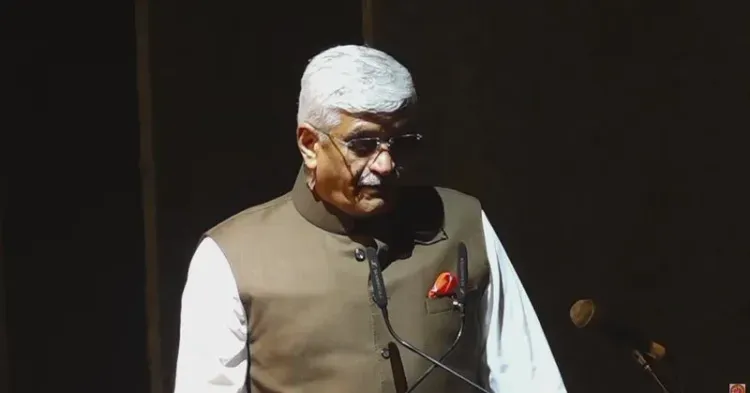
India's cultural diplomacy stepped into the spotlight on Friday, 7 August 2026, as Union Culture and Tourism Minister Gajendra Singh Shekhawat shared a live broadcast of Day 2 of the BRICS Cultural Festival, bringing the multi-nation showcase directly to audiences across the country.
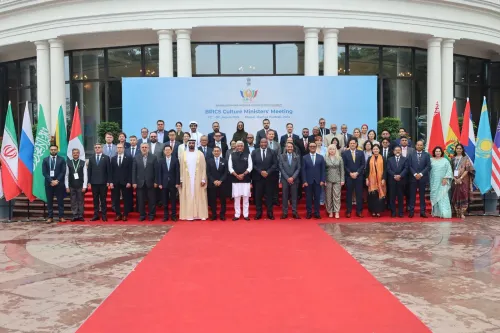
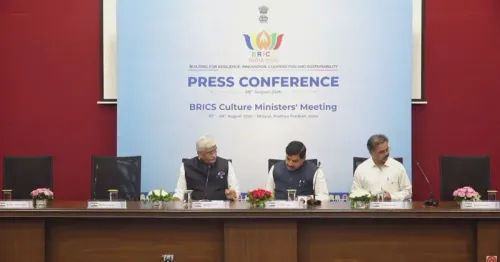
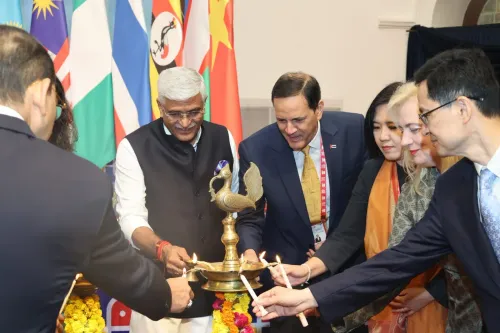
The minister posted the live stream link on X, signalling the Ministry of Culture's active role in amplifying the festival's reach beyond its physical venue. The broadcast gave viewers a real-time window into a gathering designed to weave together the artistic and cultural traditions of the BRICS grouping — Brazil, Russia, India, China, South Africa and its expanded membership.
BRICS culture diplomacy and India's role
Cultural festivals have been a recurring feature of the BRICS framework since the early 2010s, functioning as the people-to-people layer beneath the bloc's dominant agenda of trade, finance and geopolitics. India, as a founding member, has consistently used its Culture Ministry portfolio to organise and promote performances, exhibitions and broadcasts during multilateral gatherings of this kind.
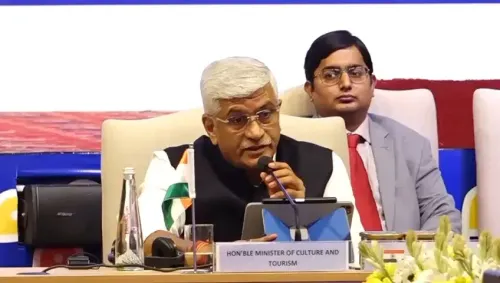
For Shekhawat, who holds the twin portfolios of Culture and Tourism, these events carry a dual purpose: projecting India's soft power while building goodwill among diverse member nations whose political and economic interests do not always align. A live broadcast extends that reach further still — turning a closed festival into an open invitation.
What the Ministry signals by going live
The decision to stream the festival publicly reflects a broader Ministry pattern of using digital platforms to democratise access to cultural programming. Whether the Day 2 broadcast featured specific performances, exhibitions or ministerial addresses could not be independently confirmed at the time of publication. The Ministry has not yet issued a formal statement on the festival's outcomes or plans for future BRICS cultural programming.
As BRICS expands its membership and its cultural footprint, India's ability to shape the festival's agenda — and broadcast it to millions — is itself a form of quiet, durable influence.
Point of View
BRICS cultural programming offers a rare multilateral stage where India can lead without the friction of the bloc's more contentious economic or geopolitical debates. As BRICS expands its membership, the Culture Ministry's ability to shape and broadcast shared cultural narratives becomes an increasingly valuable diplomatic instrument. The ministry's next move — a formal readout of festival outcomes — will indicate how seriously it intends to build on this moment.
NationPress
22 Sept 2026
Frequently Asked Questions
What is the BRICS Cultural Festival?
The BRICS Cultural Festival is a periodic event organised under the BRICS framework to promote cultural exchange and people-to-people contacts among member nations including Brazil, Russia, India, China and South Africa.
Why did Gajendra Singh Shekhawat share the BRICS festival live stream?
As Union Minister of Culture and Tourism, Shekhawat shared the live broadcast to extend the festival's reach to digital audiences and highlight India's active role in BRICS cultural diplomacy.
When did the BRICS Cultural Festival Day 2 take place?
The live stream for Day 2 of the BRICS Cultural Festival was shared by Minister Shekhawat on 7 August 2026 .
How long has BRICS been holding cultural festivals?
BRICS Cultural Ministers meetings and associated festivals have been held periodically since the early 2010s as part of the bloc's broader cooperation agenda.
What is Gajendra Singh Shekhawat's role in the Indian government?
Gajendra Singh Shekhawat is India's Union Minister of Culture and Tourism, a senior BJP leader and Lok Sabha MP from Jodhpur, Rajasthan.