Shekhawat: Modi Govt Resolves Wangchuk Fast, Vows Fast-Track Courts
Synopsis
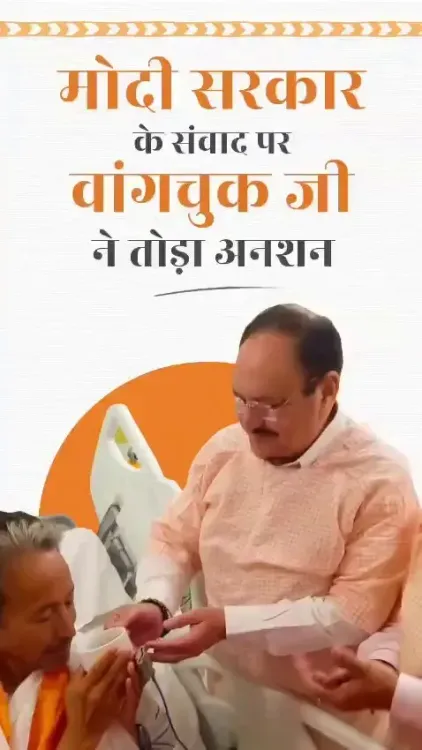
Union Minister Gajendra Singh Shekhawat says the Modi government's tough line on paper leaks opened dialogue with Sonam Wangchuk, who ended his hunger strike after talks with ministers Nadda and Dr Jitendra Singh. PM Modi has assured fast-track courts and strict action against exam malpractice offenders.
Key Takeaways
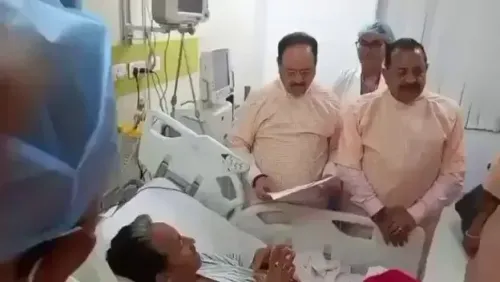
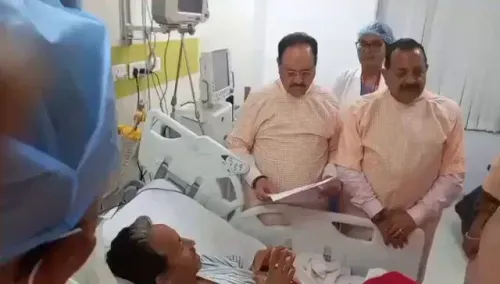
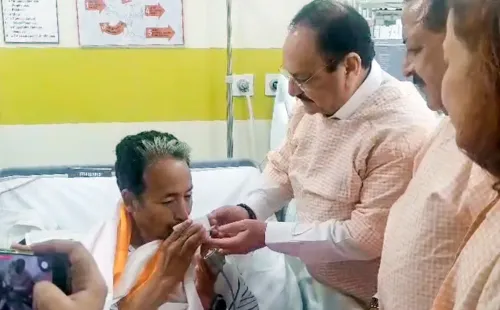
Sonam Wangchuk ended his hunger strike late at night following intervention by Union Ministers J P Nadda and Dr Jitendra Singh , according to Minister Shekhawat's post.
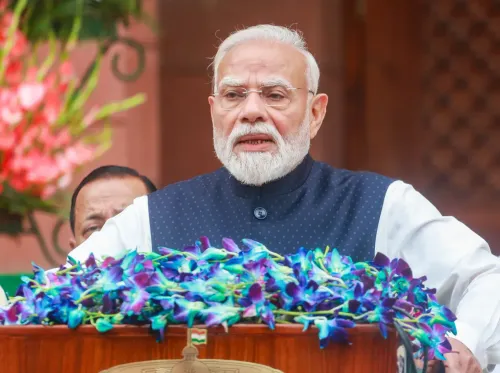
PM Narendra Modi personally assured the establishment of fast-track courts to handle paper leak cases and strict action against the guilty.
The government cited the Public Examinations (Prevention of Unfair Means) Act, 2024 as the legislative backbone of its crackdown on exam malpractice.
The resolution follows a recurring government pattern of deploying senior ministers as interlocutors to de-escalate youth-linked agitations.
Millions of competitive exam aspirants stand to benefit if the fast-track court commitment is operationalised.
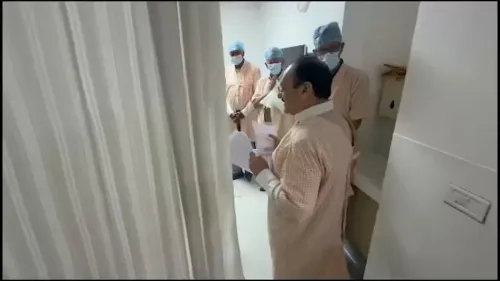
Union Culture and Tourism Minister Gajendra Singh Shekhawat on Friday, 24 July 2026 credited the Modi government's firm stance on paper leaks for opening a path to dialogue, noting that Ladakhi activist Sonam Wangchuk ended his hunger strike late at night following intervention by senior central ministers.
Context
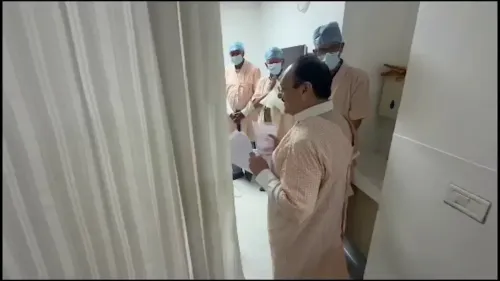
Shekhawat's post, written in Hindi, states: 'पेपर लीक जैसे गंभीर मुद्दे पर मोदी सरकार के सख्त रुख से संवाद और समाधान का रास्ता खुला' — 'The Modi government's tough stance on a serious issue like paper leaks opened the path to dialogue and resolution.' He added that Union Minister J P Nadda and Minister of State Dr Jitendra Singh initiated talks that led to Wangchuk calling off his fast.
Sonam Wangchuk is a prominent Ladakhi innovator and activist who has previously led hunger strikes over issues including environmental protection and regional autonomy. His decision to end the fast, as described in the post, followed direct outreach from the central government's senior leadership.
Policy Backdrop
The government's stated position on exam integrity is backed by the Public Examinations (Prevention of Unfair Means) Act, 2024, which introduced significantly stricter penalties for paper leaks and malpractice in competitive examinations. The legislation was framed as a direct response to recurring scandals that eroded aspirant trust in recruitment processes.
Shekhawat's post further states that Prime Minister Narendra Modi personally assured the setting up of fast-track courts and strict action against those found guilty of exam malpractice — a commitment that, if implemented, would mark a significant acceleration in the judicial handling of such cases.
Stakeholders and Impact
The primary beneficiaries of any credible reform would be millions of competitive exam aspirants across India who have repeatedly seen high-stakes examinations — including central recruitment and medical entrance tests — disrupted by alleged paper leaks. Such incidents have triggered widespread protests and demands for systemic accountability.
The involvement of J P Nadda and Dr Jitendra Singh — the latter handling personnel and grievance redressal — signals that the government treated this episode as requiring ministerial-level engagement rather than routine administrative response. This mirrors a broader pattern of using senior interlocutors to de-escalate civil society agitations linked to employment and education integrity.
What's Next
Attention will now turn to whether the fast-track court mechanism promised by PM Modi is operationalised and within what timeline. Parliamentary and regulatory follow-up — including potential amendments or notifications under the 2024 Act — will be closely watched by student groups and legal observers alike.
Shekhawat concluded his post with the assertion that 'protecting the rights of youth through dialogue, resolution, and tough decisions is the strength of a bright India' — framing the episode as a template for the government's approach to youth-centric grievances going forward.
Point of View
Not merely administrative. Shekhawat's framing of the resolution as proof of 'youth-first' governance is clearly aimed at converting a potential embarrassment around exam scandals into a BJP credibility asset ahead of any electoral cycle. The real test, however, lies in whether the promised fast-track courts materialise with verifiable timelines or remain an assurance on record.
NationPress
24 Jul 2026
Frequently Asked Questions
Why did Sonam Wangchuk end his hunger strike?
According to Union Minister Gajendra Singh Shekhawat's post, Wangchuk ended his fast after Union Ministers J P Nadda and Dr Jitendra Singh initiated dialogue, and PM Modi assured fast-track courts and strict action on paper leak cases.
What has PM Modi promised on paper leaks?
PM Modi has assured the establishment of fast-track courts to expedite cases related to paper leaks and promised strict action against those found guilty of exam malpractice.
What is the Public Examinations (Prevention of Unfair Means) Act, 2024?
It is a central law enacted in 2024 that introduced stricter penalties for paper leaks and malpractice in competitive public examinations, forming the legal backbone of the government's crackdown.
What role did J P Nadda and Dr Jitendra Singh play in resolving Wangchuk's fast?
Both senior ministers initiated direct talks with Sonam Wangchuk, which Shekhawat credited as the immediate trigger for Wangchuk calling off his hunger strike late at night.
What happens next after Sonam Wangchuk's fast ends?
The key development to watch is whether the government operationalises the promised fast-track courts for paper leak cases and introduces any follow-up parliamentary or regulatory steps under the 2024 Act.