Shivraj Singh Chouhan backs fast-track courts for paper leak cases

Synopsis
Union Agriculture Minister Shivraj Singh Chouhan on 23 July 2026 hailed the central government's decision to set up fast-track courts for paper leak cases as historic, vowing that no one who endangers youth futures will be spared under PM Modi's leadership.
Key Takeaways
Union Agriculture Minister Shivraj Singh Chouhan endorsed the formation of fast-track courts for paper leak cases on 23 July 2026 .
Chouhan described youth as 'the greatest capital of a developed India,' linking the move to the Viksit Bharat vision.
He warned that no person guilty of compromising the futures of young aspirants will be spared.
The announcement builds on the Public Examinations (Prevention of Unfair Means) Act, 2024 , which already prescribes stringent penalties for exam malpractice.
Fast-track courts for paper leak offences are intended to ensure swift, time-bound judicial disposal — a model used previously for corruption and crimes against women.
Implementation timelines and state-level coordination remain to be announced by the government.
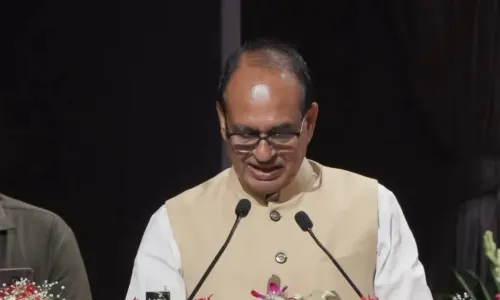
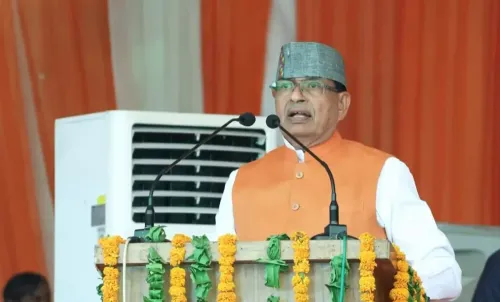
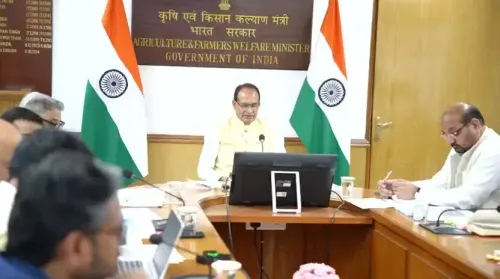
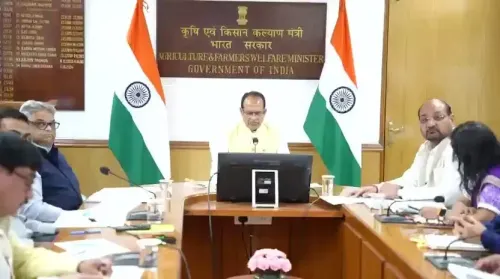
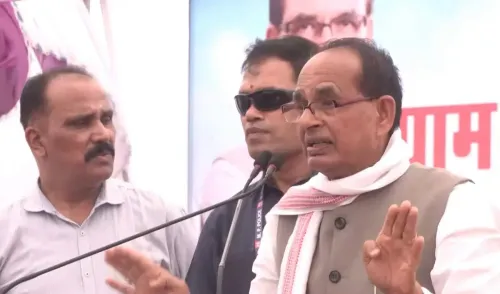
Union Agriculture Minister Shivraj Singh Chouhan on Thursday, 23 July 2026, backed the central government's decision to establish fast-track courts for paper leak cases, calling it a historic step toward swift and stringent punishment for those who compromise the futures of young aspirants. Posting in Hindi on X, Chouhan framed youth welfare as the highest priority of the Narendra Modi-led government and warned that no guilty party would be spared.
In his post, Chouhan wrote: 'युवा शक्ति विकसित भारत की सबसे बड़ी पूंजी है' ('The strength of youth is the greatest capital of a developed India'). He added that the formation of fast-track courts in paper leak cases is 'एक ऐतिहासिक कदम' — 'a historic step' — to ensure rapid and harsh punishment for the guilty, and that 'no one who plays with the future of youth will be spared.'
Context
The statement comes against the backdrop of a sustained public outcry over examination malpractice in India. High-profile paper leaks in national and state-level competitive examinations — including controversies surrounding the NEET medical entrance exam and several state recruitment tests — triggered widespread protests by student communities and demands for systemic reform in how public examinations are conducted and secured.
The central government has consistently positioned the integrity of competitive examinations as a core governance concern, linking it directly to the aspirations of millions of young Indians who depend on these tests for access to government employment and higher education.
Policy Backdrop
Parliament enacted the Public Examinations (Prevention of Unfair Means) Act, 2024, introducing stringent penalties — including imprisonment and heavy fines — for individuals and organisations found guilty of leaking question papers or facilitating malpractice in public examinations. The law marked a significant legislative escalation after years of ad hoc state-level responses.
The establishment of fast-track courts specifically for paper leak offences represents a judicial complement to that legislative framework. Fast-track courts have precedent in the Indian judicial system for categories of serious offences — including crimes against women and corruption cases — where time-bound disposal is considered essential to deterrence and public confidence.
Stakeholders and Impact
The primary beneficiaries of stricter enforcement are the millions of students — particularly from smaller towns and rural backgrounds — who invest years preparing for competitive examinations such as UPSC, SSC, state public service commission tests, and entrance exams for medical and engineering colleges. A single paper leak can invalidate the efforts of lakhs of aspirants and delay their careers by months or years.
Exam-conducting bodies, coaching institutions, and state governments are also key stakeholders. Accountability mechanisms through fast-track courts are expected to create deterrence not just for individual offenders but for organised networks that profit from question paper theft and sale.
What's Next
Attention will now turn to the rollout timelines for these fast-track courts and whether individual states will align their own judicial infrastructure with the central initiative. Parliamentary or cabinet-level announcements detailing the number of courts, their jurisdictions, and the cases they will handle are expected to follow. For the Modi government, the credibility of this measure will ultimately rest on the speed and visibility of prosecutions it delivers — a benchmark that student groups and opposition parties alike are likely to watch closely.
Point of View
The party continues to tie anti-corruption enforcement directly to its development narrative. The fast-track court mechanism, if operationalised swiftly, would give the government a visible accountability instrument at a time when student trust in exam bodies has been severely eroded. However, the true test lies in execution: previous legislative measures have not always translated into timely prosecutions, and opposition groups are likely to scrutinise the courts' actual case disposal rates.
NationPress
23 Jul 2026
Frequently Asked Questions
What are fast-track courts for paper leaks in India?
Fast-track courts for paper leaks are specialised judicial bodies designed to hear and dispose of cases involving examination malpractice — such as question paper theft and leaking — within a fixed, expedited timeframe, ensuring quicker punishment for the accused.
What did Shivraj Singh Chouhan say about paper leaks?
On 23 July 2026, Chouhan said on X that the decision to form fast-track courts for paper leak cases is 'a historic step' toward swift and harsh punishment for offenders, and that no one who plays with the futures of young people will be spared.
What is the Public Examinations Prevention of Unfair Means Act 2024?
The Public Examinations (Prevention of Unfair Means) Act, 2024 is a central law that introduced strict penalties — including imprisonment and fines — for individuals and organisations involved in leaking question papers or facilitating malpractice in government-conducted public examinations.
Which exams were affected by paper leaks in India?
High-profile paper leak controversies in India have affected major national examinations including NEET (the medical entrance test) as well as various state-level public service and recruitment examinations, triggering widespread student protests and demands for reform.
How do fast-track courts help in paper leak cases?
Fast-track courts reduce the time between arrest and conviction by prioritising paper leak cases over routine court dockets, creating a stronger deterrent effect and restoring public confidence in the fairness of competitive examinations.