Shivraj Singh Chouhan Hails NAFED-NCCF Digital Procurement Drive
Synopsis
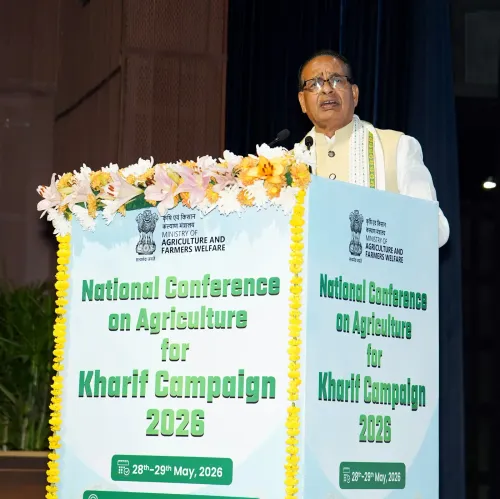
Union Agriculture Minister Shivraj Singh Chouhan has lauded NAFED and NCCF for deploying modern technology to make farm-produce procurement transparent and ensure payment reaches farmers within 48 hours, calling it commendable work for farmer welfare.
Key Takeaways
Union Agriculture Minister Shivraj Singh Chouhan praised NAFED and NCCF on 23 June 2026 for a jointly developed digital procurement system.
The system is designed to make procurement of farmers' produce transparent using modern technology.
Payments are committed to reach farmers' bank accounts within a fixed deadline of 48 hours of purchase.
The initiative builds on earlier government frameworks including e-NAM (2016) and PM-KISAN Direct Benefit Transfers (2019).
The minister extended 'heartfelt congratulations' to the entire NAFED team, signalling strong ministerial backing for the cooperative model.
State-level rollout and possible codification of the 48-hour mandate are the key developments to watch.
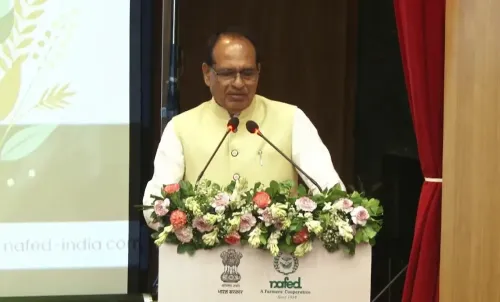
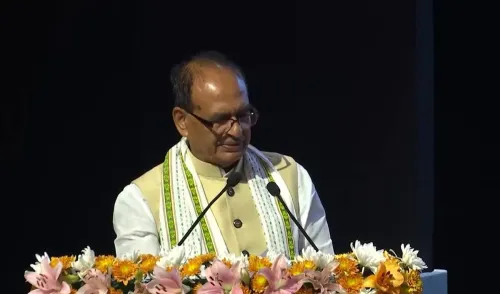
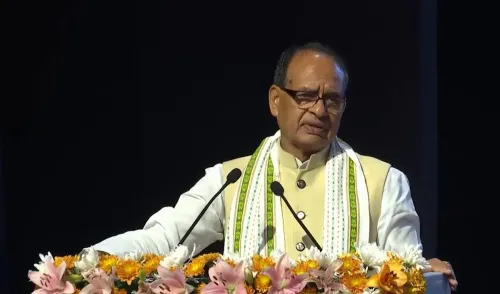
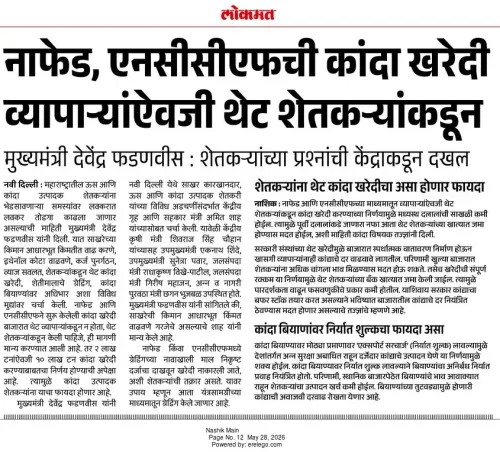
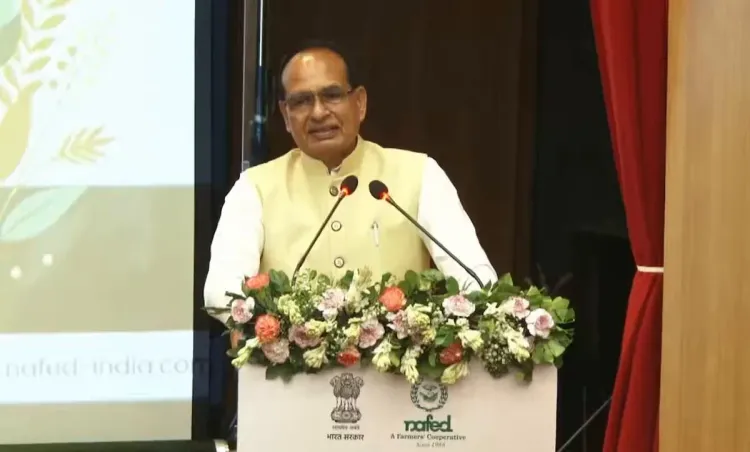
Union Agriculture Minister Shivraj Singh Chouhan on Tuesday, 23 June 2026, praised the National Agricultural Cooperative Marketing Federation of India (NAFED) for partnering with the National Cooperative Consumers' Federation of India (NCCF) to build a technology-driven procurement system that credits farmers' accounts within 48 hours of purchase. The minister shared his appreciation on X, calling the initiative 'commendable work in the interest of farmers' and extending heartfelt congratulations to the entire NAFED team.
Context
In his post, Chouhan wrote — 'NAFED ने NCCF के साथ मिलकर आधुनिक तकनीक का उपयोग करते हुए किसानों की उपज की खरीद कैसे पारदर्शी तरीके से हो' ['NAFED, working together with NCCF using modern technology, has made transparent procurement of farmers' produce possible'] — and underlined that the arrangement ensures payment reaches the farmer's bank account within a fixed deadline of 48 hours. He described the work as 'praiseworthy' and said he congratulates the full team 'from the heart.'
The post was accompanied by a video, suggesting a formal presentation or field demonstration of the digital procurement workflow was shared alongside the minister's remarks.
Policy Backdrop
The NAFED-NCCF initiative sits within a decade-long arc of agricultural digitisation. The government launched the e-NAM (electronic National Agriculture Market) platform in 2016 to link physical mandis into a unified online trading network for transparent price discovery, reducing the scope for middlemen to distort prices at the farm gate.
From 2019 onward, the PM-KISAN scheme demonstrated that Direct Benefit Transfer (DBT) mechanisms could reliably push funds into farmers' accounts at scale. The 48-hour payment mandate now being highlighted by NAFED builds on that DBT infrastructure, extending the same logic of speed and traceability to Minimum Support Price (MSP) procurement operations.
Central cooperative agencies including NAFED have been progressively directed to adopt online systems for MSP operations across multiple states, reducing the traditional lag between physical purchase and bank credit that had long been a grievance among small and marginal farmers.
Stakeholders and Impact
Small and marginal farmers stand to benefit most directly from the 48-hour crediting commitment. Delayed payments after MSP procurement have historically forced farmers to seek short-term credit at high interest rates to meet immediate household and input costs, eroding the effective value of the support price.
Cooperative federations such as NAFED and NCCF gain credibility and farmer trust through demonstrably faster, more transparent operations. For the government, a verifiable digital trail of each procurement transaction also strengthens accountability and reduces opportunities for leakage within the procurement chain.
The partnership model — two apex cooperative bodies co-deploying technology rather than working in silos — signals a structural shift in how India's cooperative marketing architecture is being redesigned under the current agricultural policy framework.
What's Next
Attention will turn to the state-level rollout of integrated digital procurement portals that can plug into the NAFED-NCCF framework, particularly in major procurement states such as Madhya Pradesh, Maharashtra, Rajasthan and Uttar Pradesh. Chouhan's own deep familiarity with Madhya Pradesh — where he served four terms as Chief Minister — may accelerate adoption there.
Any move to codify the 48-hour payment mandate as a binding standard across all central procurement agencies would likely surface in parliamentary discussions during the next budget session, giving the initiative a potential legislative dimension beyond its current operational scope.
Point of View
Time-bound service standards rather than vague mandates. The 48-hour payment benchmark, if institutionalised, would represent a meaningful accountability shift in MSP operations, where payment delays have historically been a persistent farmer complaint. The post also reflects a broader BJP-government strategy of framing cooperative modernisation as farmer welfare, building political capital in agrarian constituencies ahead of state election cycles. Whether the initiative scales beyond a showcase pilot will be the real test of its policy significance.
NationPress
23 Jun 2026
Frequently Asked Questions
What is the NAFED-NCCF digital procurement system announced by Shivraj Singh Chouhan?
It is a technology-driven agricultural procurement arrangement jointly developed by NAFED and NCCF that makes the purchase of farmers' produce transparent and ensures payment is credited to the farmer's bank account within 48 hours of procurement.
What does the 48-hour farmer payment rule mean?
Under this system, once a farmer's produce is purchased through the NAFED-NCCF platform, the payment must reach the farmer's bank account within 48 hours, eliminating the long delays that previously accompanied MSP procurement.
What is NAFED and what does it do?
NAFED, the National Agricultural Cooperative Marketing Federation of India, is the apex cooperative body responsible for procurement, marketing, and price support operations for agricultural produce across India, including MSP-based purchases.
How does this relate to PM-KISAN and e-NAM?
The 48-hour payment system builds on the Direct Benefit Transfer infrastructure established under PM-KISAN from 2019 and the transparent price-discovery framework introduced by e-NAM in 2016, extending digital accountability to cooperative procurement.
What will Shivraj Singh Chouhan's agriculture ministry do next on farmer payments?
The next steps to watch include state-level rollout of integrated digital procurement portals linked to the NAFED-NCCF framework and possible parliamentary moves to make the 48-hour payment mandate binding across all central procurement agencies.