Shivraj Singh Chouhan Links New Rural Jobs Scheme to Vajpayee Legacy
Synopsis
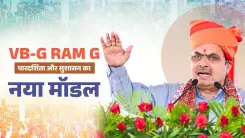
Union Agriculture Minister Shivraj Singh Chouhan on 2 July 2026 invoked Atal Bihari Vajpayee's legacy at the launch of the Viksit Bharat-Ji Ram Ji scheme, tracing India's rural employment policy from the 2001 Sampoorna Grameen Rozgar Yojana through MGNREGA to the new initiative.
Key Takeaways
Shivraj Singh Chouhan publicly credited former PM Atal Bihari Vajpayee as the originator of India's current rural employment policy lineage.
The Sampoorna Grameen Rozgar Yojana was launched in September 2001 by merging the Jawahar Rozgar Yojana and Employment Assurance Scheme.
MGNREGA , enacted in 2005 and renamed in 2009 , guarantees 100 days of wage employment to rural households annually.
The newly launched Viksit Bharat-Ji Ram Ji scheme is presented as the next stage in this unbroken policy evolution under the Viksit Bharat framework.
Primary beneficiaries remain rural households and village panchayats , consistent with all predecessor schemes.
State-level guidelines and Union Budget allocations will determine the scheme's actual scale and departure from MGNREGA norms.
Union Agriculture Minister Shivraj Singh Chouhan on Thursday, 2 July 2026, paid tribute to former Prime Minister Atal Bihari Vajpayee while tracing the lineage of India's rural employment policy — from the Sampoorna Grameen Rozgar Yojana (SGRY) of 2001 through MGNREGA to the newly launched Viksit Bharat-Ji Ram Ji scheme, marking a significant moment in the evolution of centrally sponsored rural welfare programmes.
Context
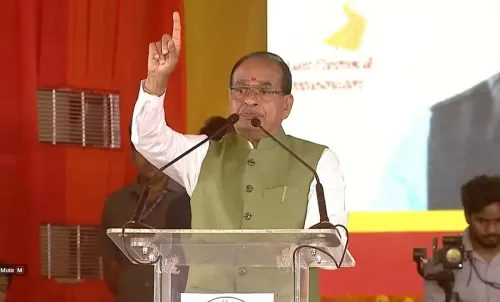
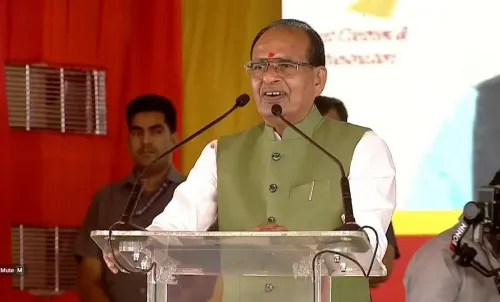
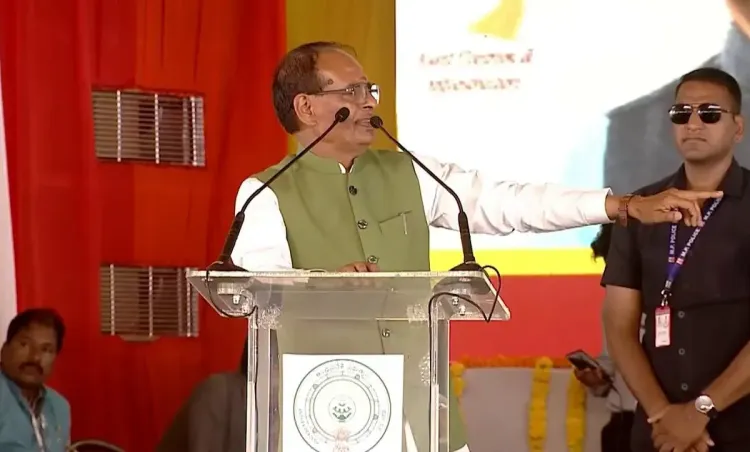
Posting on X under the hashtag #LaunchofVBGRAMG, Chouhan wrote: 'आज मैं श्रद्धेय अटल बिहारी वाजपेयी जी के चरणों में भी प्रणाम करना चाहता हूँ' — 'Today I also wish to bow at the feet of revered Atal Bihari Vajpayee ji.' He drew a direct policy line: Vajpayee's government created the Sampoorna Grameen Rozgar Yojana, which 'transformed into MGNREGA and has now become the Viksit Bharat-Ji Ram Ji scheme.'
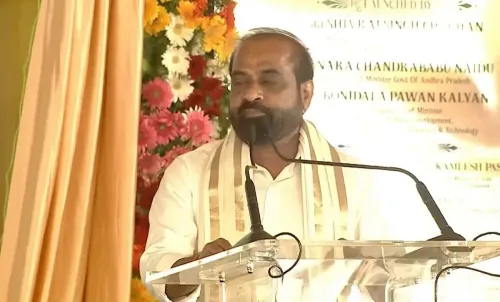
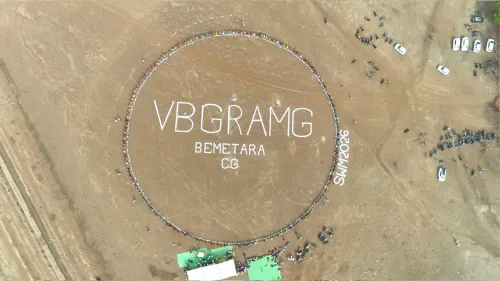
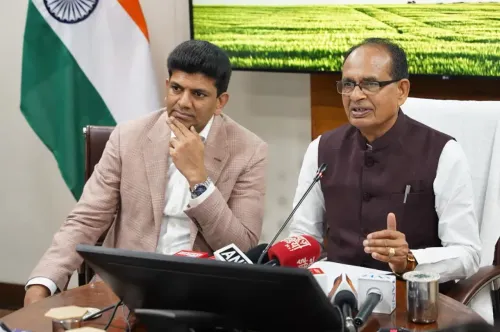
The statement was made at what appeared to be a formal launch event for the new scheme, with Chouhan invoking Vajpayee's legacy to frame the initiative as a continuation of a decades-long national commitment to rural employment rather than a departure from it.
Policy Backdrop
The Sampoorna Grameen Rozgar Yojana was launched in September 2001 by the NDA government under Vajpayee, consolidating two earlier programmes — the Jawahar Rozgar Yojana and the Employment Assurance Scheme — into a single rural employment framework. It represented one of the first major rationalisations of India's fragmented rural jobs architecture.
The National Rural Employment Guarantee Act was enacted in 2005 by the subsequent government and renamed the Mahatma Gandhi National Rural Employment Guarantee Act (MGNREGA) in 2009, guaranteeing 100 days of wage employment annually to rural households. MGNREGA became one of the largest public works programmes in the world by coverage and expenditure.
India has maintained an unbroken sequence of centrally sponsored rural employment schemes since the late 1980s, with each administration adapting or rebranding earlier programmes. Chouhan's framing explicitly acknowledges this cross-party continuity, crediting a BJP predecessor while presenting the new scheme as the next evolutionary step under the current Viksit Bharat development framework.
Stakeholders and Impact
The primary beneficiaries of this class of schemes are rural households — particularly those dependent on casual agricultural labour — and village panchayats, which serve as the principal implementing agencies for works under such programmes. The schemes have historically provided a critical income floor during lean agricultural seasons and drought years.
By anchoring the new scheme's legitimacy in the Vajpayee-era SGRY, Chouhan also signals to rural constituencies that the programme carries institutional depth beyond a single government's tenure, a framing that could aid acceptance at the grassroots level.
What's Next
Attention will now turn to the operational details of the Viksit Bharat-Ji Ram Ji scheme — including eligibility norms, wage rates, the number of guaranteed workdays, and funding-sharing arrangements between the Centre and states. State-level implementation guidelines and any revised fiscal allocations in the next Union Budget will be critical markers of how ambitiously the new scheme departs from or builds upon the MGNREGA framework it claims to succeed.
Point of View
The government insulates the initiative from charges of discontinuity while implicitly reframing MGNREGA as merely a waypoint in a BJP-originated policy arc. The cross-party acknowledgement of policy lineage is unusual in Indian political discourse and suggests confidence that the new scheme can absorb rather than displace the MGNREGA brand. This framing also positions Chouhan — himself a veteran mass-contact politician — as the custodian of a long rural welfare tradition rather than the author of a new one, lending the scheme grassroots credibility before a single rupee is disbursed. Whether the operational design of the new scheme substantiates this continuity narrative will be the real test.
NationPress
2 Jul 2026
Frequently Asked Questions
What is the Viksit Bharat-Ji Ram Ji scheme?
The Viksit Bharat-Ji Ram Ji scheme is a newly launched rural employment initiative presented by the Indian government as the successor to MGNREGA under the broader Viksit Bharat development framework. Its detailed operational guidelines are yet to be widely published.
What was the Sampoorna Grameen Rozgar Yojana?
The Sampoorna Grameen Rozgar Yojana (SGRY) was a rural employment programme launched in September 2001 by the NDA government under Prime Minister Atal Bihari Vajpayee, formed by merging the Jawahar Rozgar Yojana and the Employment Assurance Scheme.
How is MGNREGA related to the Sampoorna Grameen Rozgar Yojana?
MGNREGA evolved from earlier rural employment schemes including SGRY. The National Rural Employment Guarantee Act was passed in 2005 and renamed MGNREGA in 2009, guaranteeing 100 days of wage employment to rural households — building on the framework SGRY had established.
Why did Shivraj Singh Chouhan mention Atal Bihari Vajpayee at the scheme launch?
Chouhan credited Vajpayee to acknowledge that India's rural employment policy lineage began with the SGRY under the former Prime Minister's government in 2001, framing the new Viksit Bharat-Ji Ram Ji scheme as a continuation of that legacy rather than an entirely new departure.
Who benefits from rural employment guarantee schemes in India?
Rural households — especially those dependent on casual agricultural labour — and village panchayats, which implement the works, are the primary beneficiaries of India's centrally sponsored rural employment schemes.