Shivraj Singh Chouhan Pledges Sustained Push for Jute Farmers' Welfare
Synopsis
Union Agriculture Minister Shivraj Singh Chouhan on 14 July 2026 pledged unrelenting efforts to better the lives of jute farmers and workers, noting scientists are developing new varieties of the 'golden fibre' but that more research work remains to be done.
Key Takeaways
Shivraj Singh Chouhan publicly committed to sustained government efforts to improve livelihoods across the jute sector on 14 July 2026 .
He acknowledged that while scientists are working on new jute varieties, 'more work needs to be done' — a rare ministerial admission of research gaps.
West Bengal accounts for roughly 80 per cent of India's jute output and is the primary beneficiary of any policy uplift.
The Jute Corporation of India and CRIJAF are the two central bodies responsible for MSP operations and varietal research respectively.
The Jute Packaging Materials Act, 1987 remains a key demand-side support mechanism for growers.
Budget allocations for jute R&D and any MSP revision will be the next concrete indicators of follow-through.
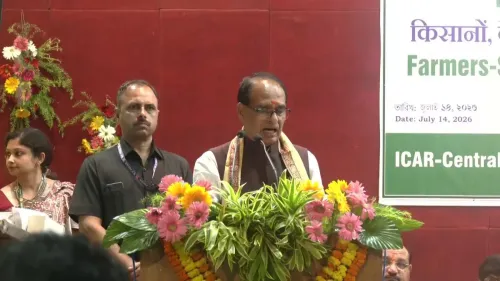
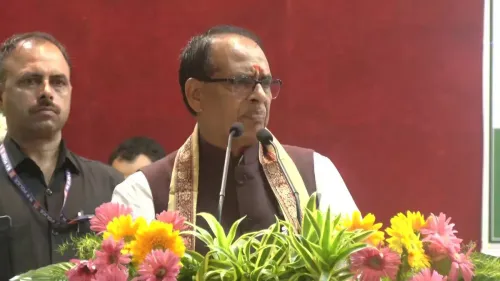
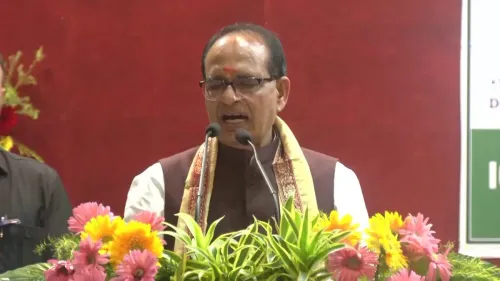
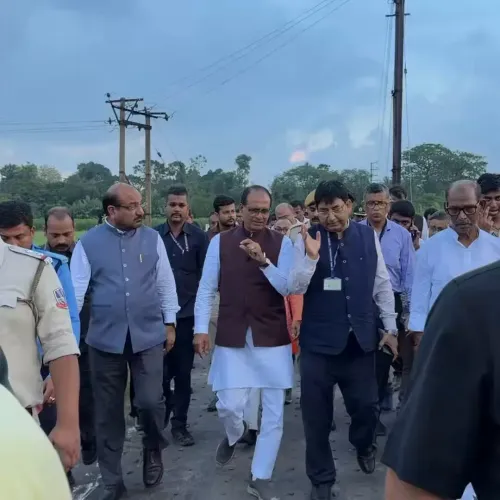
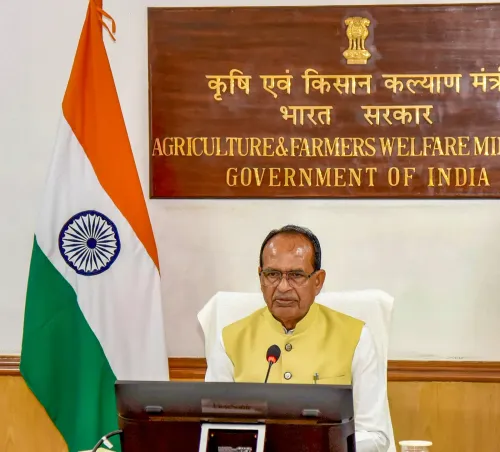
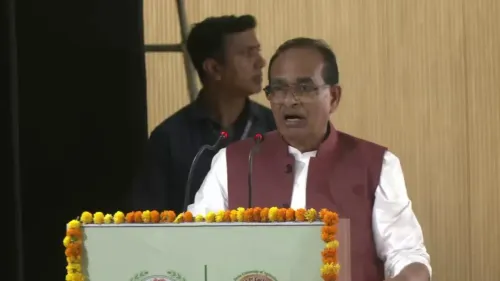
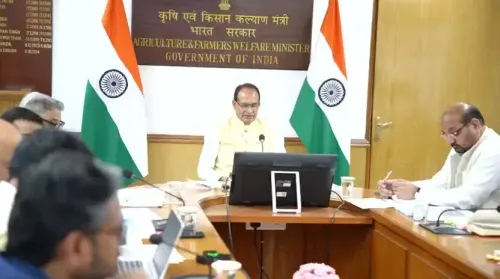
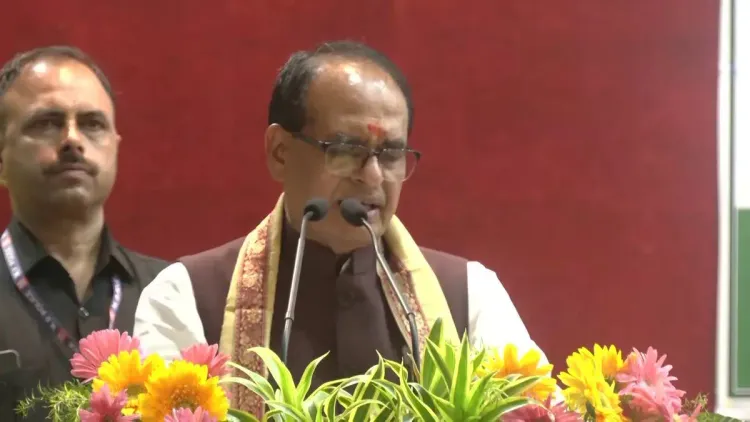
Union Agriculture Minister Shivraj Singh Chouhan on Tuesday, 14 July 2026, reaffirmed the central government's commitment to improving the lives of jute farmers and all those connected to India's jute sector, stating that scientists are actively working on new varieties of the fibre and that efforts will continue without pause.
Speaking after what appeared to be an interaction with agricultural scientists, Chouhan said in Hindi: 'इस गोल्डन रेशे से जुड़े किसानों और इस क्षेत्र से जुड़े सभी लोगों का जीवन बेहतर हो, इसके लिए हम निरंतर प्रयास करते रहेंगे' — 'We will continuously strive to improve the lives of farmers associated with this golden fibre and all those connected to this sector.' He also acknowledged that while scientists are consistently working on new jute varieties, 'more work needs to be done on this.'
Context
Jute — often called the 'golden fibre' — is one of India's most important natural fibres, with cultivation concentrated in the flood-prone eastern districts of West Bengal, Bihar, and Assam. West Bengal alone accounts for roughly 80 per cent of national jute output and is home to the bulk of India's jute milling capacity. Millions of farmers and mill workers depend on the crop for their livelihoods.
The Central Research Institute for Jute and Allied Fibres (CRIJAF), an ICAR institute headquartered in Barrackpore, West Bengal, is the nodal body responsible for breeding improved jute varieties and disseminating them to growers. Chouhan's remarks appear to have been made in the presence of scientists from this or a related research establishment, though the precise venue could not be independently confirmed.
Policy Backdrop
Central support for the jute sector has a long legislative and programmatic history. The Jute Packaging Materials (Compulsory Use in Packing Commodities) Act, 1987 — amended periodically — mandates the use of jute sacks for packaging foodgrains and sugar, providing a guaranteed domestic market for the fibre and insulating growers from the worst effects of competition from synthetic substitutes.
The Jute Technology Mission, launched in 2006, sought to raise productivity and fibre quality through coordinated research, extension, and value-chain development. The Jute Corporation of India (JCI), a central public-sector undertaking, continues to conduct minimum support price (MSP) operations and market interventions to protect growers from price volatility. Chouhan's emphasis on ongoing varietal research fits within this multi-decade policy architecture.
Stakeholders and Impact
The jute sector supports a large and economically vulnerable population. Jute farmers in eastern India — many of whom cultivate small landholdings in low-lying, flood-prone areas — are directly affected by varietal performance, MSP levels, and the strength of mandatory packaging norms. Mill workers in West Bengal's jute belt, concentrated in districts such as Hooghly and North 24 Parganas, are equally dependent on the health of the sector.
Advances in jute variety development — higher yield, better fibre quality, disease resistance, and faster retting — can translate directly into improved farm incomes and reduced post-harvest losses. Chouhan's public acknowledgement that 'more work is needed' signals that the ministry is not treating current research outputs as sufficient.
What's Next
Attention will now turn to whether the ministry follows through with enhanced research allocations for CRIJAF and allied institutions, and whether the forthcoming Union Budget carries an upward revision of jute MSP or expanded funding under the Jute Technology Mission. Any new variety releases by ICAR will be closely watched by grower groups and mill associations alike.
Chouhan's track record as a four-term Chief Minister of Madhya Pradesh — where he championed farmer welfare programmes — suggests that the ministry is likely to translate this public commitment into concrete policy action, though the specifics and timelines remain to be announced.
Point of View
Where farmer distress has historically carried electoral weight in West Bengal, the timing of such a commitment — mid-legislative year, ahead of a Budget cycle — is unlikely to be incidental. Whether the pledge translates into budgetary muscle or remains rhetorical will be the real test of the ministry's intent.
NationPress
14 Jul 2026
Frequently Asked Questions
What did Shivraj Singh Chouhan say about jute farmers?
Chouhan pledged on 14 July 2026 that the government will continuously strive to improve the lives of jute farmers and all those connected to the sector, while noting that more work is needed on developing new jute varieties.
Which state produces the most jute in India?
West Bengal is India's largest jute-producing state, accounting for roughly 80 per cent of national output and hosting the majority of jute mills.
What is CRIJAF and what does it do?
The Central Research Institute for Jute and Allied Fibres (CRIJAF) is an ICAR institute based in Barrackpore, West Bengal, responsible for breeding improved jute varieties and supporting their adoption by farmers.
What government schemes support jute farmers in India?
Key supports include the Jute Packaging Materials (Compulsory Use in Packing Commodities) Act 1987, the Jute Technology Mission launched in 2006, and minimum support price operations conducted by the Jute Corporation of India.
Why is jute called the golden fibre?
Jute is called the 'golden fibre' because of its golden-brown colour, its economic importance to millions of farmers and workers in eastern India, and its status as a valuable eco-friendly export commodity.