Siddaramaiah Slams Modi Govt Over NEET Leak, Parliament Avoidance
Synopsis
Karnataka CM Siddaramaiah on 21 July 2026 linked the NEET paper-leak outrage, Sonam Wangchuk's fast, and student protests to what he called a pattern of state insensitivity and parliamentary avoidance by the Modi government, warning that force over dialogue weakens democratic norms.
Key Takeaways
Karnataka CM Siddaramaiah on 21 July 2026 publicly connected the NEET paper-leak outrage, Sonam Wangchuk 's fast, and student protests as symptoms of a single governance failure.
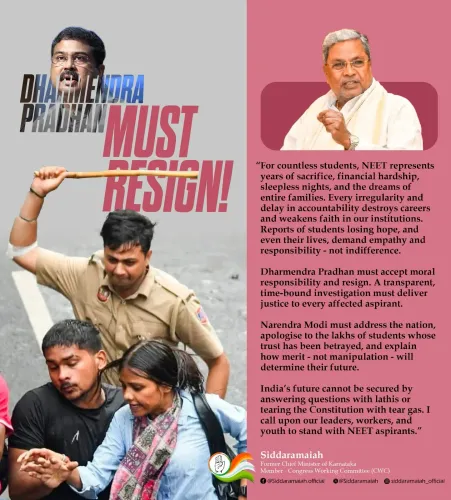
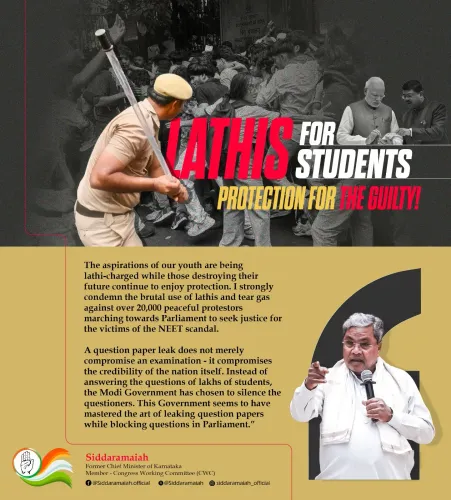
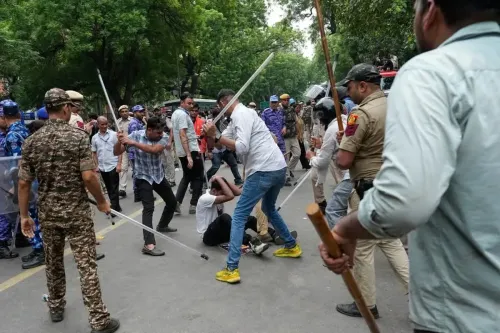
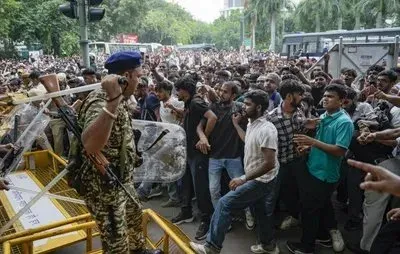
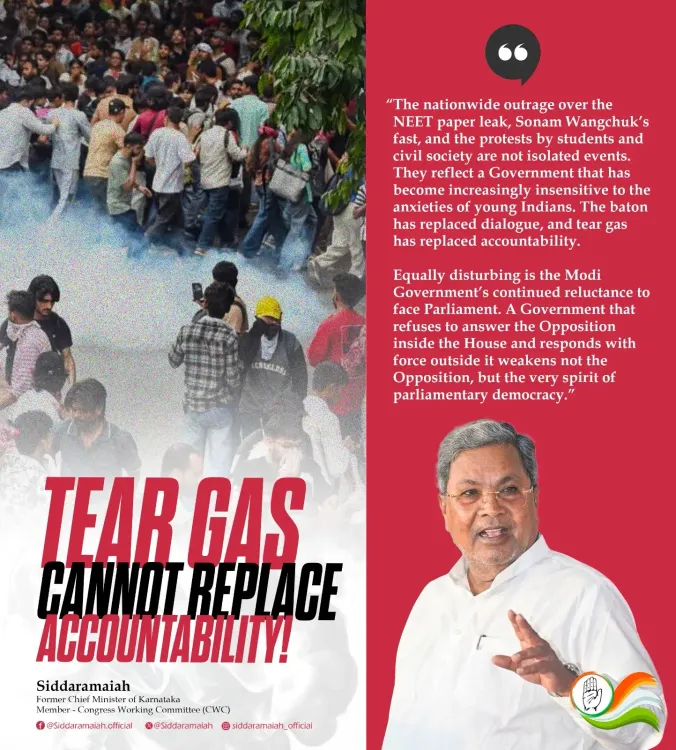
He accused the Modi government of replacing dialogue with batons and accountability with tear gas in its response to civil society movements.
NEET , upheld by the Supreme Court in 2016 as India's sole medical entrance test, has faced recurring paper-leak allegations affecting lakhs of aspirants.
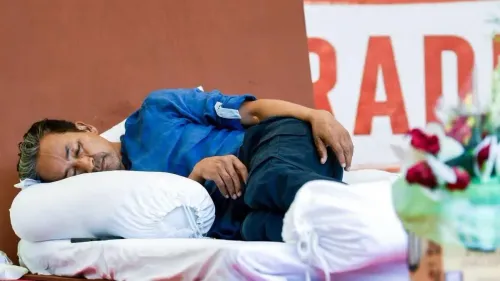
Sonam Wangchuk has undertaken fasts and marches since 2023 demanding Sixth Schedule protections and statehood for Ladakh .
Siddaramaiah warned that a government that avoids Parliament and responds to dissent with force weakens 'the very spirit of parliamentary democracy.' Opposition parties are expected to raise NEET reform and Ladakh 's constitutional status in the next session of Parliament .
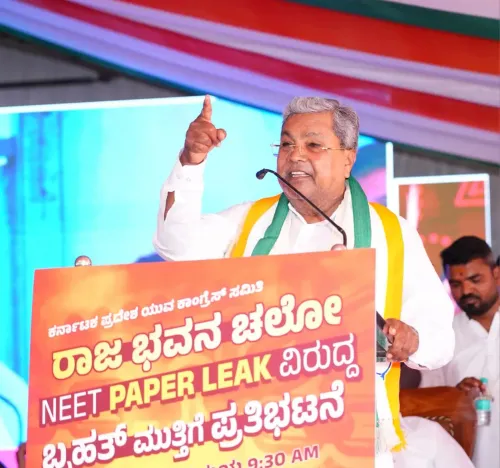
Karnataka Chief Minister Siddaramaiah on Tuesday, 21 July 2026, launched a sharp attack on the Modi government, linking the nationwide outrage over the NEET paper leak, Sonam Wangchuk's fast, and student protests to what he called a pattern of state insensitivity toward young Indians and a deliberate avoidance of parliamentary accountability.
Context
In his post on X, Siddaramaiah wrote that 'the baton has replaced dialogue, and tear gas has replaced accountability,' arguing that the government's response to civil society movements has been coercive rather than consultative. He described the agitations — over examination integrity, regional autonomy, and student rights — as not isolated events but symptoms of a deeper governance failure. The Chief Minister specifically named Sonam Wangchuk's fast and protests by students and civil society as evidence of a government 'increasingly insensitive to the anxieties of young Indians.'
Sonam Wangchuk, the Ladakh-based engineer and activist, has undertaken multiple fasts and marches since 2023 demanding Sixth Schedule constitutional protections and statehood for Ladakh. The NEET — the National Eligibility cum Entrance Test, upheld by the Supreme Court in 2016 as the sole all-India medical entrance examination — has faced repeated paper-leak allegations since its full nationwide rollout, eroding confidence among lakhs of aspirants and their families.
Policy Backdrop
The NEET controversy has long been a flashpoint between the Centre and opposition-ruled states, with several state governments arguing that a single centralised examination disadvantages students from regional-language backgrounds. Allegations of paper leaks have periodically triggered street protests, legal challenges, and demands for the examination's overhaul or abolition. Each episode has renewed calls for stronger regulatory oversight of examination-conducting bodies.
On the question of parliamentary conduct, opposition parties — including the Indian National Congress — have repeatedly accused the BJP-led government of truncating sessions and resisting substantive debate. Walkouts and disruptions marked the 2018 winter session and the 2023 monsoon session, with the opposition demanding discussions on issues ranging from farm laws and citizenship legislation to federal-state disputes. Siddaramaiah's post situates the current moment within this longer arc of confrontation over the government's legislative accountability.
Stakeholders and Impact
The primary stakeholders are the lakhs of students who appear for NEET every year, many of whom invest years of preparation and significant family resources. A credible paper-leak episode strikes at the legitimacy of the entire selection process, affecting admission to medical colleges across India. Youth protesters and civil society groups amplify these concerns beyond examination halls into a broader political conversation about governance.
For residents of Ladakh, Wangchuk's fast represents an ongoing demand for constitutional safeguards that have remained unaddressed since the region's reorganisation in 2019. Siddaramaiah's framing connects these geographically and thematically distinct protests under a single political critique: that the Centre responds to dissent with force rather than engagement. Opposition parties are likely to carry this argument into the next session of Parliament.
What's Next
All eyes will be on the next monsoon or winter session of Parliament, where opposition benches are expected to press the government on both NEET reform and the administrative status of Ladakh. Any government announcement on restructuring examination-conducting bodies or on extending constitutional protections to Ladakh would directly address the two specific grievances Siddaramaiah has highlighted. Absent such moves, the political pressure from opposition-ruled states and student groups is likely to intensify ahead of the next electoral cycle.
Point of View
Regional autonomy, and legislative accountability — into a single indictment of the Modi government's governance style. By invoking Sonam Wangchuk alongside NEET protesters, he signals that Congress intends to build a coalition narrative that spans students, regional activists, and parliamentary opposition. This follows a well-established Congress playbook of framing BJP's tenure as a decade-long erosion of democratic norms, a message calibrated for both urban youth and federal constituencies ahead of the next electoral cycle. The explicit reference to Parliament avoidance is particularly pointed, as it shifts the debate from street protests to constitutional obligations.
NationPress
21 Jul 2026
Frequently Asked Questions
What did Karnataka CM Siddaramaiah say about the NEET paper leak?
Siddaramaiah said on 21 July 2026 that the nationwide outrage over the NEET paper leak is not an isolated event but reflects a Modi government that has become increasingly insensitive to the anxieties of young Indians.
Who is Sonam Wangchuk and why is he fasting?
Sonam Wangchuk is a Ladakhi engineer and activist who has undertaken multiple fasts and marches since 2023 demanding Sixth Schedule constitutional protections and statehood for Ladakh following its reorganisation in 2019.
What is the NEET paper leak controversy?
NEET, the National Eligibility cum Entrance Test and India's sole medical entrance examination since 2016, has faced repeated allegations of paper leaks that undermine the integrity of admissions for lakhs of students across the country.
What did Siddaramaiah say about Parliament and the Modi government?
Siddaramaiah said the Modi government's continued reluctance to face Parliament — refusing to answer the opposition inside the House and responding with force outside it — weakens not the opposition but the very spirit of parliamentary democracy.
How has the opposition responded to student protests in India?
Opposition leaders, including Siddaramaiah, have argued that the central government responds to student and civil society protests with police force rather than dialogue, and have pledged to raise issues like NEET reform and Ladakh's status in Parliament.