Delhi Environment Minister Sirsa reviews anti-pollution steps with 4 district officials
Synopsis
With Delhi's dreaded pollution season weeks away, Environment Minister Manjinder Singh Sirsa has moved early — chairing district-level reviews with four magistrates, ordering AQI-based hotspot mapping within a 3-km radius, and demanding Action Taken Reports within 15 days. The meetings signal a shift toward accountable, source-specific enforcement rather than the blanket advisories that have drawn Supreme Court criticism in past winters.
Key Takeaways
Delhi Environment Minister Manjinder Singh Sirsa chaired review meetings with officials of 4 districts on 19 September 2026 to strengthen winter pollution controls.
A multi-tiered enforcement framework targeting dust, biomass burning, vehicular emissions, and unauthorised industrial activity has been outlined.
Pollution hotspots will be mapped using AQI monitoring station data , with a source-specific review covering a 3-km radius around each site.
All departments must submit Action Taken Reports (ATRs) ; Sirsa will review progress within 15 days .
A ban on biomass burning and strict dust-control norms at construction sites must be enforced without exception.
Meetings covered East, North-East, South-East, and South districts , attended by MLAs, DMs, DCPs, and MCD officials.
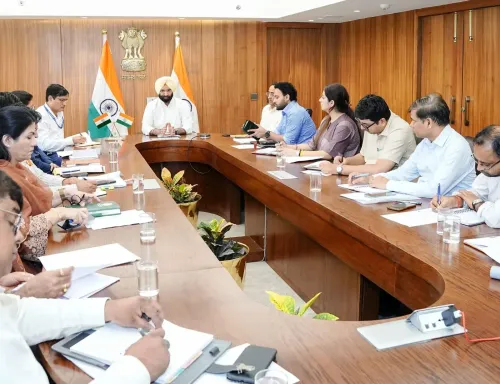
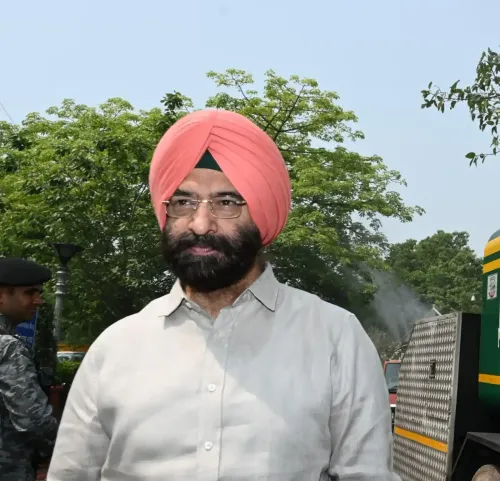
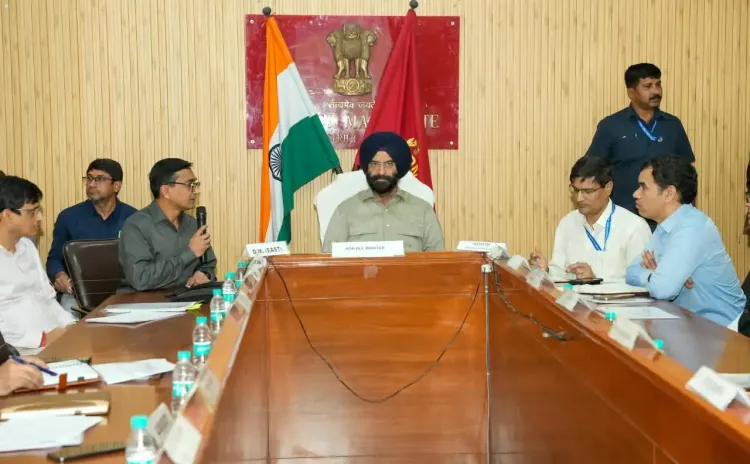
Delhi Environment Minister Manjinder Singh Sirsa on Saturday, 19 September 2026, chaired separate review meetings with officials of four districts — East, North-East, South-East, and South Delhi — to assess and strengthen measures to combat worsening air pollution ahead of the winter season. The meetings focused on district-level strategies to identify pollution sources, enforce remedial action, and deliver measurable improvements in air quality.
Multi-Tiered Enforcement Strategy Outlined
The review sessions outlined a comprehensive, multi-tiered enforcement framework built around dedicated ground-level monitoring teams, round-the-clock vigilance, and hotspot-specific interventions. The strategy targets dust pollution, biomass burning, unauthorised industrial activities, and other localised pollution sources across the capital.
Sirsa directed district administrations to identify and map pollution hotspots using real-time data from Air Quality Index (AQI) monitoring stations. Each hotspot will be assessed for sources including road dust, traffic congestion, vehicular emissions, construction and demolition debris, unauthorised parking, open areas, biomass burning, and waste burning, according to an official statement.
Source-Specific Action Plans and 3-km Radius Review
Officials have been instructed to examine each pollution hotspot through a source-specific lens, covering all pollution-generating activities within a 3-kilometre radius wherever applicable. A structured action plan — specifying remedial measures, the responsible agency, and completion timelines — will be prepared for every identified hotspot.
All concerned departments and agencies have also been asked to submit Action Taken Reports (ATRs) covering measures taken, current status, supporting evidence, pending issues, and timelines for completion. Sirsa will personally review progress within the next 15 days.
Ban on Biomass Burning, Strict Construction Norms
The Minister directed all agencies to ensure strict compliance with dust-control norms at construction and demolition sites. He also stressed that the ban on biomass burning must be enforced without exception, with preventive measures to cover open burning of garbage, plastic and rubber waste, textile and fibre waste, industrial residues, organic residues, and scrap.
Sirsa called on all departments and agencies to work in close coordination, fix accountability clearly, and ensure that pollution-control measures are implemented effectively and within defined timelines.
Who Was Present at the Meetings
The meetings were attended by area Members of Legislative Assembly (MLAs), District Magistrates (DMs), Deputy Commissioners of Police (DCPs), MCD Deputy Commissioners, and senior officers of all departments concerned. The broad representation signals the government's intent to drive coordinated, cross-agency action rather than siloed responses.
Context: Delhi's Winter Pollution Challenge
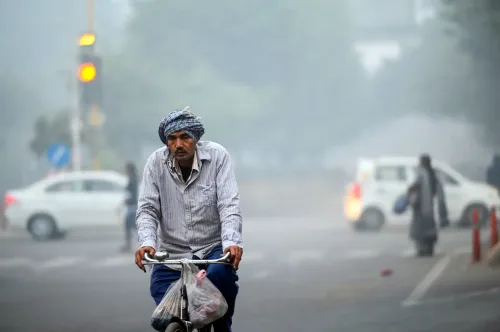
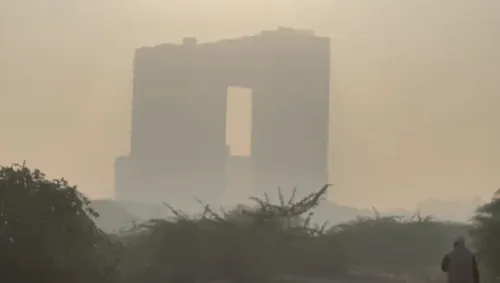
Delhi's air quality routinely deteriorates sharply between October and February, when a combination of stubble burning in neighbouring states, lower wind speeds, vehicular emissions, and construction dust pushes the AQI into 'Severe' and 'Very Poor' categories. The city has faced repeated criticism from the Commission for Air Quality Management (CAQM) and the Supreme Court for inadequate enforcement of pollution norms. This round of reviews signals that the city administration is moving to front-load preparedness before the critical winter window opens.
With Action Taken Reports due and a ministerial review scheduled within 15 days, the government's follow-through on these directives will be the clearest indicator of whether this year's winter pollution response marks a departure from past patterns.
Point of View
After AQI hits hazardous levels, rather than structurally before the winter inversion sets in. But the credibility of this round hinges on two things: whether Action Taken Reports are actually scrutinised rather than filed and forgotten, and whether enforcement reach extends equally to politically inconvenient sources such as construction projects with powerful backers. The 3-km hotspot radius and source-specific action plans are a more rigorous framework than previous blanket advisories. Whether the bureaucratic machinery can execute them at scale — across four sprawling urban districts — before October's air quality slide begins is the real test this government faces.
NationPress
19 Sept 2026
Frequently Asked Questions
What did Delhi Environment Minister Manjinder Singh Sirsa announce on 19 September 2026?
Sirsa chaired separate review meetings with officials of four Delhi districts — East, North-East, South-East, and South — to strengthen winter air pollution measures. The meetings outlined a multi-tiered enforcement plan covering hotspot mapping, source-specific action plans, and a strict biomass burning ban.
Which districts were covered in the pollution review meetings?
The review meetings covered four districts: East, North-East, South-East, and South Delhi. Each meeting was attended by area MLAs, District Magistrates, Deputy Commissioners of Police, and MCD Deputy Commissioners.
What is the 3-km radius rule in Delhi's anti-pollution plan?
Officials have been directed to examine each identified pollution hotspot by reviewing all pollution-generating activities within a 3-kilometre radius of the site. This source-specific approach is intended to produce targeted action plans with named responsible agencies and defined timelines.
When will Delhi's progress on pollution control be reviewed again?
Sirsa has said he will review the progress of pollution-control measures within the next 15 days. Departments have been asked to submit Action Taken Reports covering steps taken, pending issues, and completion timelines.
Why is Delhi especially vulnerable to air pollution in winter?
Delhi's air quality deteriorates sharply between October and February due to a combination of stubble burning in neighbouring states, lower wind speeds, vehicular and industrial emissions, and construction dust. The city has faced repeated direction from the Commission for Air Quality Management and the Supreme Court to enforce pollution norms more rigorously during this period.