Delhi Minister Sirsa urges AAP MLAs to drop theatrics at Monsoon Session
Synopsis
On the opening day of Delhi's Monsoon Session, BJP minister Manjinder Singh Sirsa went on the offensive — dismissing AAP's 'bicycle scam' and 'health scam' charges as evidence-free, defending the ₹2,500 Delhi Lakshmi Yojana, and pitching the Private Universities Bill 2026 as the fix for a gap of 1.75 lakh missing undergraduate seats. The session's first hours signal a combative legislative term ahead.
Key Takeaways
Minister Manjinder Singh Sirsa urged AAP MLAs to abandon political theatrics on Day 1 of the Delhi Assembly Monsoon Session , 7 August.
Sirsa dismissed AAP's 'bicycle scam' and 'health scam' allegations, saying the party has produced no credible evidence for either charge.
The Delhi Lakshmi Yojana provides eligible women ₹2,500 in financial assistance; Sirsa credited it with leaving the Opposition without a viable political issue.
Delhi sees roughly 3.25 lakh Class XII passouts annually against only 1.5 lakh regular undergraduate seats — a gap the Delhi Private Universities Bill, 2026 aims to address.
Minto Bridge , long synonymous with waterlogging, showed marked improvement this monsoon season, according to the Minister.
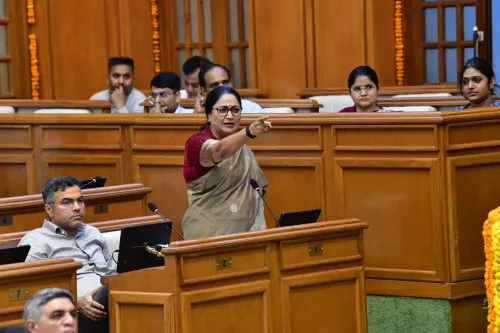
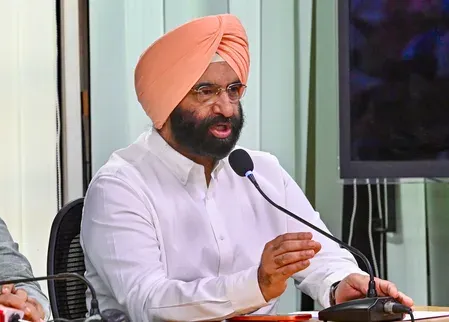
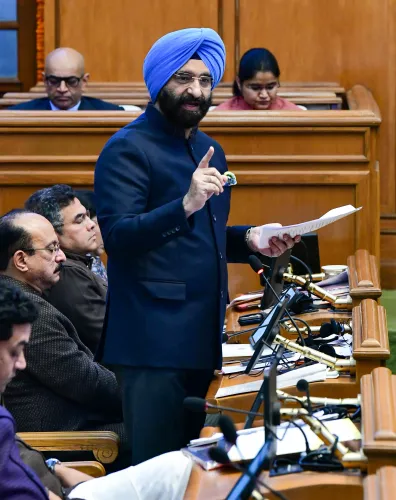
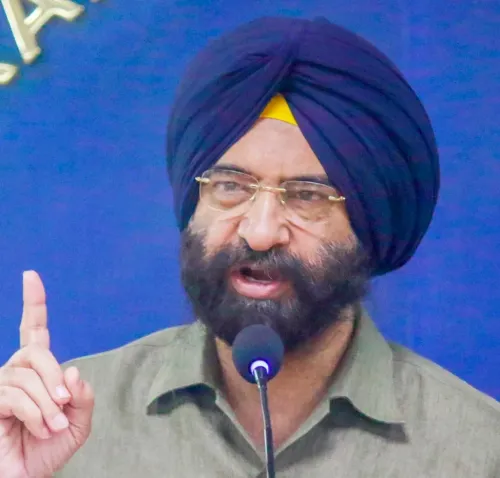
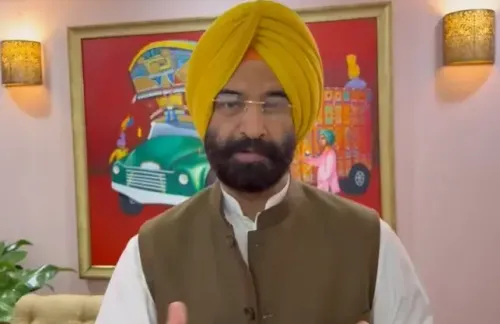
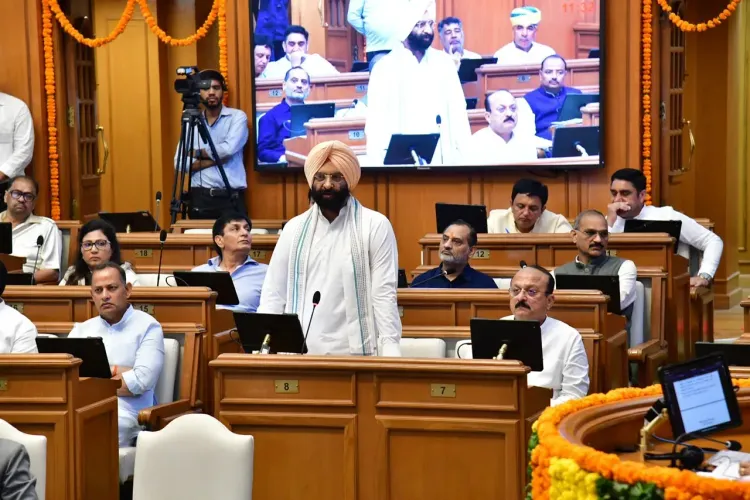
Environment and Industries Minister Manjinder Singh Sirsa on Friday, 7 August called on Aam Aadmi Party (AAP) legislators to abandon what he described as political theatrics, baseless allegations, and disruptive conduct, as the Delhi Assembly's Monsoon Session opened its first day. Sirsa urged the Opposition to instead focus on substantive debate on matters of public concern, asserting that the Legislative Assembly is democracy's highest forum.
Sirsa's Charge Against the Opposition
The Minister alleged that AAP has been left without a credible political issue following the rollout of the Delhi Lakshmi Yojana, a scheme providing eligible women with financial assistance of ₹2,500. He claimed the scheme's wide public acceptance has rattled the Opposition, pushing it toward what he characterised as false allegations and misleading propaganda both inside and outside the Assembly.
Sirsa specifically dismissed AAP's charges around a so-called 'bicycle scam' and 'health scam,' stating the party had failed to produce a single credible document or piece of evidence to back either claim. 'Those who governed Delhi for years are now unwilling to acknowledge developmental work,' he said, accusing the Opposition of attempting to spread confusion rather than engage constructively.
Monsoon Preparedness and Waterlogging
On infrastructure, Sirsa pointed to the Delhi government's pre-monsoon preparations as yielding visible results, citing Minto Bridge — long notorious for severe waterlogging — as a site of marked improvement this season. He credited the administration's advance planning for reducing flooding at previously chronic spots across the capital.
Delhi Lakshmi Yojana: Government's Pitch to Women Voters
Sirsa described the Delhi Lakshmi Yojana as more than a financial transfer, framing it as a 'transformative step' toward women's dignity, security, self-reliance, and social empowerment. He congratulated Prime Minister Narendra Modi, Chief Minister Rekha Gupta, and the broader Delhi government on the scheme's implementation.
Higher Education Gap and the Private Universities Bill
The Minister also highlighted a structural gap in Delhi's higher education ecosystem: approximately 3.25 lakh students clear the Class XII examination in the capital each year, against only around 1.5 lakh seats available in regular undergraduate programmes. This shortfall, he said, has for years forced large numbers of students to seek higher education outside Delhi.
Sirsa praised the Delhi Cabinet's approval of the Delhi Private Universities Bill, 2026 as a historic milestone, arguing it would enable new private universities to be established in the capital, significantly expand undergraduate seat capacity, and reduce the outward migration of students. He congratulated Chief Minister Gupta and Education Minister Ashish Sood on the development.
With the Monsoon Session now under way, the tenor of Assembly proceedings — and whether the Opposition engages on policy or escalates its disruptions — will set the political tone for Delhi heading into the next phase of governance.
Point of View
Before the Opposition can set the agenda. But the substance beneath the rhetoric deserves scrutiny: the 'bicycle scam' and 'health scam' allegations have been in circulation for weeks, and a flat denial without a point-by-point rebuttal does little to settle them. The Delhi Lakshmi Yojana is a genuine political asset for the BJP, but framing every Opposition question as jealousy risks closing off legitimate accountability. On the Private Universities Bill, the seat-gap data is real and the intent is sound — the harder question is whether regulatory safeguards will prevent fee exploitation in a city where private education already strains middle-class budgets.
NationPress
21 Sept 2026
Frequently Asked Questions
What happened on the first day of the Delhi Assembly Monsoon Session?
Environment and Industries Minister Manjinder Singh Sirsa used the opening of the Monsoon Session on 7 August to call out AAP legislators for disruptive conduct and baseless allegations, defending the Delhi government's record on women's welfare, monsoon preparedness, and higher education reform.
What is the Delhi Lakshmi Yojana?
The Delhi Lakshmi Yojana is a scheme that provides eligible women in Delhi with financial assistance of ₹2,500. Minister Sirsa described it as a step toward women's dignity, economic self-reliance, and social empowerment, and credited it with broad public support.
What are the 'bicycle scam' and 'health scam' allegations AAP has raised?
AAP has made allegations regarding what it calls a 'bicycle scam' and a 'health scam' against the Delhi government. Minister Sirsa dismissed both, stating the party has failed to produce a single credible document or piece of evidence to substantiate either claim.
What is the Delhi Private Universities Bill, 2026?
The Delhi Private Universities Bill, 2026 is a legislation approved by the Delhi Cabinet that will allow new private universities to be established in the capital. It is aimed at bridging a gap between roughly 3.25 lakh annual Class XII passouts and only about 1.5 lakh available undergraduate seats in Delhi.
Why has waterlogging at Minto Bridge improved this monsoon?
Minister Sirsa attributed the improvement at Minto Bridge — historically one of Delhi's worst waterlogging spots — to extensive pre-monsoon preparations undertaken by the Delhi government ahead of this year's monsoon season.