Sitharaman Meets Trade, MSME Bodies in Mangaluru
Synopsis
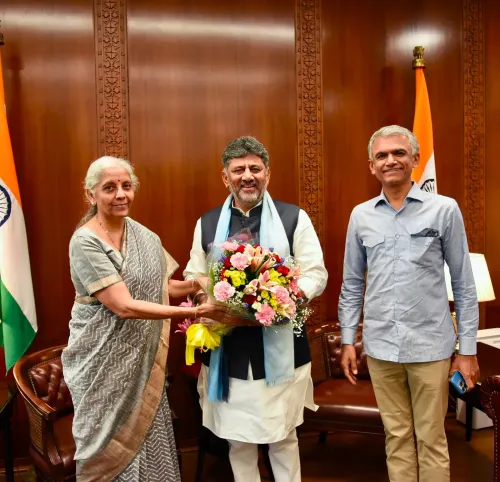
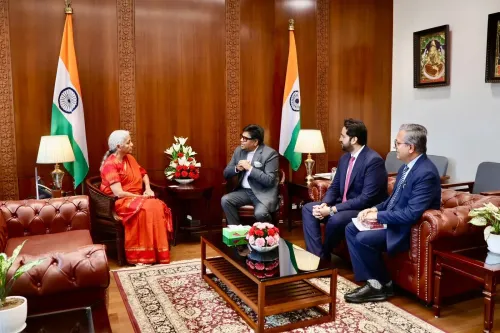
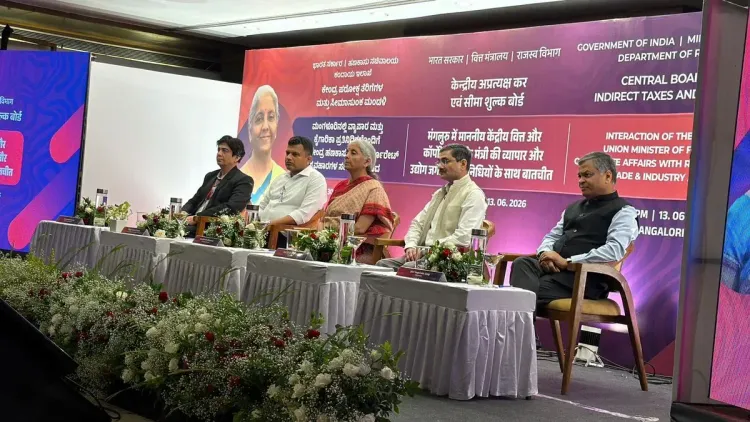
Union Finance Minister Nirmala Sitharaman met trade, MSME, and industry representatives in Mangaluru on 13 June 2026. CBIC Chairman Vivek Chaturvedi, Member Yogendra Garg, and Lok Sabha MP Captain Brijesh Chowta were also present, signalling a focused consultation on indirect-tax and trade-facilitation concerns in coastal Karnataka.
Key Takeaways
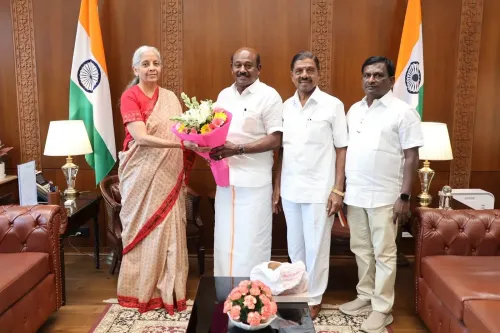
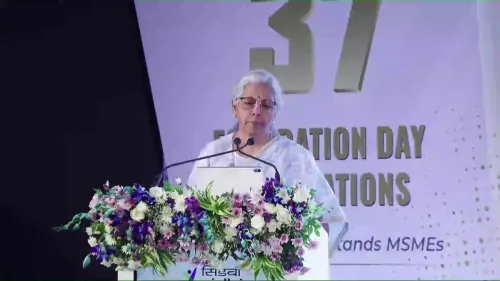
Nirmala Sitharaman held a stakeholder interaction with trade, MSME, and industry bodies in Mangaluru, Karnataka on 13 June 2026 .
CBIC Chairman Shri Vivek Chaturvedi and CBIC Member Shri Yogendra Garg attended, indicating a focus on indirect-tax and customs matters.
Captain Brijesh Chowta , Lok Sabha MP from Dakshina Kannada , was present alongside the Finance Minister.
Mangaluru is a key coastal trade and MSME hub, with sectors including fisheries, cashew exports, and port-linked logistics.
Such regional consultations have been a recurring feature of Finance Ministry outreach since the GST rollout in July 2017 .
Feedback from the meeting may inform upcoming Union Budget or GST Council decisions on MSME relief and compliance simplification.
Union Finance Minister Nirmala Sitharaman held an interaction with representatives from trade, MSMEs, and industry in Mangaluru, Karnataka, on 13 June 2026, as part of the Finance Ministry's continuing outreach to ground-level stakeholders on taxation and business concerns.
Context
Mangaluru is a significant coastal trade hub in Dakshina Kannada, home to a dense network of MSME units, exporters, and port-linked businesses. The meeting brought together voices from the local trade and industrial ecosystem, giving them direct access to the Finance Minister to raise concerns on issues ranging from GST compliance to customs procedures and credit access.
Captain Brijesh Chowta, Lok Sabha MP representing the Dakshina Kannada constituency, was present at the interaction. Senior officials from the Central Board of Indirect Taxes and Customs (CBIC) — including its Chairman Shri Vivek Chaturvedi and Member Shri Yogendra Garg — also attended, signalling the meeting's focus on indirect-tax and trade-facilitation matters.
Policy Backdrop
The Finance Ministry has conducted regional stakeholder consultations with trade and industry bodies for over two decades, with such interactions intensifying after the rollout of the Goods and Services Tax (GST) in July 2017. These field-level meetings serve as a structured feedback loop, allowing the ministry and CBIC to assess ground realities before policy decisions are finalised.
Successive Union Budgets since 2019 have included measures aimed at MSME formalisation, ease of doing business, and simplification of indirect-tax compliance — many of them shaped by exactly this kind of outreach. The presence of senior CBIC officials alongside the Finance Minister underscores the operational dimension of the consultation, going beyond symbolic engagement.
Stakeholders and Impact
Coastal Karnataka's MSME and trading community spans fisheries processing, cashew exports, garment manufacturing, and port-linked logistics — all sectors sensitive to customs duties, input-tax credit flows, and working-capital availability. Direct access to the Finance Minister and CBIC leadership gives these stakeholders a rare opportunity to flag compliance bottlenecks without going through intermediary channels.
For Dakshina Kannada's business community, the visit also carries political significance: it comes with the local Lok Sabha MP, Captain Brijesh Chowta, visibly present, reinforcing constituency-level engagement on economic issues.
What's Next
Feedback gathered during such regional interactions typically feeds into deliberations ahead of the next Union Budget or GST Council meeting. Specific asks around customs facilitation, MSME credit, or compliance simplification from the Mangaluru session could surface as targeted relief measures in upcoming policy announcements. Observers will watch for any follow-up communications from CBIC or the Finance Ministry addressing the concerns raised at this interaction.
Point of View
Particularly to port cities where MSME and export communities feel the sharpest edges of GST compliance and customs friction. The co-presence of CBIC's top two officials — not just the Finance Minister — signals that this was a working consultation, not a ceremonial stop. For the BJP, the visit also serves a political purpose: reinforcing grassroots economic engagement in a coastal Karnataka constituency held by a party ally. Whether the ground-level feedback translates into concrete Budget or GST Council measures will be the true test of the exercise's policy weight.
NationPress
13 Sept 2026
Frequently Asked Questions
Why did Nirmala Sitharaman visit Mangaluru in June 2026?
She held a consultation meeting with representatives from trade, MSMEs, and industry in Mangaluru on 13 June 2026, as part of the Finance Ministry's regional outreach on taxation and business concerns.
Who attended the Mangaluru meeting with Nirmala Sitharaman?
CBIC Chairman Shri Vivek Chaturvedi, CBIC Member Shri Yogendra Garg, and Lok Sabha MP Captain Brijesh Chowta (Dakshina Kannada) were present at the interaction.
What is CBIC and why was it represented at the Mangaluru meeting?
CBIC, the Central Board of Indirect Taxes and Customs, is the apex body administering GST and customs duties. Its presence indicates the meeting focused on indirect-tax compliance, customs procedures, and trade facilitation issues raised by local businesses.
How do Finance Ministry stakeholder meetings affect MSME policy?
Feedback from such regional consultations typically informs decisions in the Union Budget or GST Council, potentially leading to MSME-focused relief measures, compliance simplification, or customs facilitation announcements.
Who is Captain Brijesh Chowta?
Captain Brijesh Chowta is the Lok Sabha Member of Parliament representing the Dakshina Kannada constituency in Karnataka, within which Mangaluru is located.