Sonowal hails 12 years of Modi govt health reforms
Synopsis
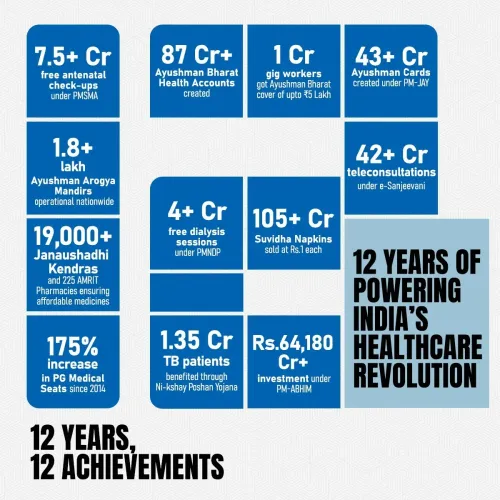
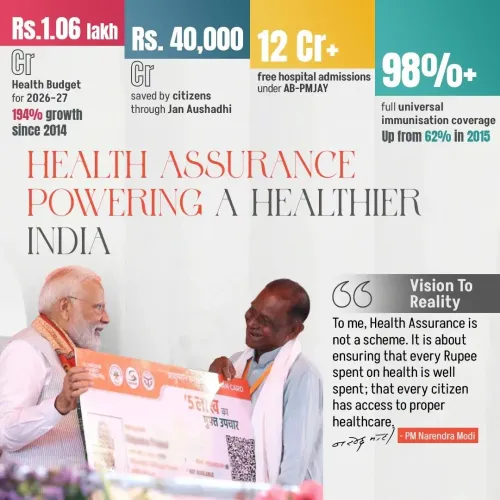
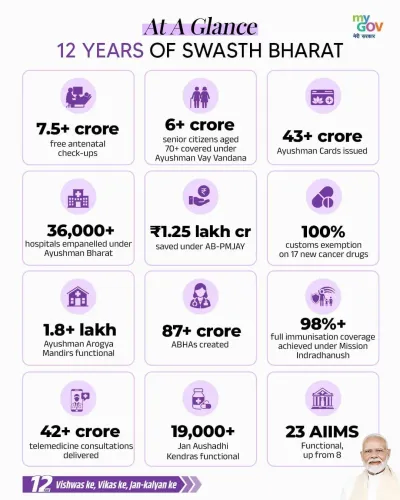
Union Minister Sarbananda Sonowal marked twelve years of Modi government health reforms, highlighting Ayushman Bharat's Rs 5 lakh hospitalisation cover and e-Sanjeevani's telemedicine reach as evidence that medical emergencies no longer force financial crises on Indian families.
Key Takeaways
Sarbananda Sonowal , Union Minister of Ports, Shipping and Waterways, credited PM Modi's 12-year tenure with strengthening India's public health system.
Ayushman Bharat PM-JAY , launched in September 2018 , provides up to Rs 5 lakh per family annually for hospitalisation to targeted low-income households. e-Sanjeevani , rolled out in 2019-2020 , offers free remote medical consultations and has expanded access for rural and underserved populations.
The National Health Policy 2017 provided the policy framework for increased public health spending and primary care strengthening.
Both schemes are part of a broader shift toward universal health coverage , combining central funding with state-level implementation and digital delivery.
Future policy attention will focus on Union Budget health outlays and NITI Aayog assessments of coverage gaps and hospital empanelment.
Union Minister of Ports, Shipping and Waterways Sarbananda Sonowal on Sunday, June 14, 2026, credited Prime Minister Narendra Modi's twelve years in office with transforming India's public health landscape, citing flagship schemes Ayushman Bharat and e-Sanjeevani as proof that medical emergencies no longer need to translate into financial ruin for ordinary citizens.
Context
Sonowal's post, shared under the hashtag #12YearsOfSwasthBharat, marks a broader BJP-led campaign to highlight a decade-plus of central government welfare delivery. 'A nation's true strength lies in the health of its people,' he wrote, adding that Modi's leadership had ensured 'a medical emergency never becomes a financial crisis for our citizens.' The message reflects a coordinated effort by senior party leaders to catalogue governance milestones ahead of future electoral cycles.
The minister's remarks draw on two of the government's most visible health interventions: a publicly funded hospitalisation insurance scheme and a national telemedicine platform that together target low-income and rural populations who historically bore the highest out-of-pocket medical costs.
Policy Backdrop
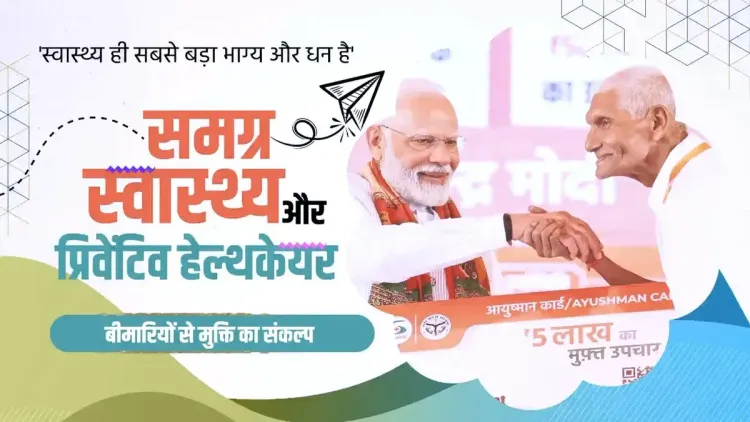
Ayushman Bharat Pradhan Mantri Jan Arogya Yojana (PM-JAY), launched in September 2018, provides up to Rs 5 lakh per family per year for secondary and tertiary hospitalisation, targeting economically vulnerable households identified through socio-economic data. It is widely regarded as one of the world's largest publicly funded health insurance programmes by intended coverage.
The National Health Policy 2017 laid the structural groundwork for this shift, calling for higher public health expenditure and stronger primary care infrastructure. e-Sanjeevani, rolled out nationally in 2019-2020, extended the reach of the health system during pandemic-era restrictions and has since been positioned as a permanent tool for remote consultations, particularly in geographically underserved areas.
Together, these initiatives represent a deliberate pivot toward universal health coverage — combining central scheme financing, state-level implementation, and data-driven beneficiary targeting to reduce catastrophic health expenditure among the poorest families.
Stakeholders and Impact
The primary beneficiaries of both schemes are low-income families and rural populations, groups that have historically faced the sharpest trade-offs between medical care and household solvency. Ayushman Bharat's insurance cover is designed to remove the cost barrier at the point of hospitalisation, while e-Sanjeevani addresses geographic barriers by enabling free remote consultations without requiring patients to travel to district or city hospitals.
State governments play a critical implementation role, with hospital empanelment rates and beneficiary enrolment varying across states. The scheme's architecture allows states to top up coverage or integrate their own health insurance programmes, creating a layered federal health protection net.
What's Next
Analysts and policymakers will watch the next Union Budget health allocations closely for signals on whether the government intends to expand Ayushman Bharat's coverage thresholds or increase per-family insurance limits. NITI Aayog reviews of hospital empanelment trends and coverage gaps will also shape the next phase of the programme's design. The broader trajectory points toward deeper integration of preventive, primary, and tertiary services under a unified digital health architecture — a goal articulated in the government's ongoing Ayushman Bharat Digital Mission.
Point of View
With health as a flagship proof point. By invoking both Ayushman Bharat and e-Sanjeevani in a single message, senior leaders are signalling that the party wants voters to associate the Modi era with tangible, last-mile health delivery rather than just infrastructure or economic metrics. The choice of a Ports and Shipping minister — not a health portfolio holder — to amplify this message underscores how deeply the health narrative has been distributed across the cabinet as a cross-cutting political asset. Whether this messaging translates into electoral advantage will depend on ground-level beneficiary experience and the government's ability to address persistent gaps in hospital empanelment and enrolment.
NationPress
14 Sept 2026
Frequently Asked Questions
What is Ayushman Bharat and who is eligible?
Ayushman Bharat PM-JAY is a central government health insurance scheme launched in September 2018 that provides up to Rs 5 lakh per family per year for secondary and tertiary hospitalisation. It targets economically vulnerable households identified through socio-economic census data, primarily low-income families.
What is e-Sanjeevani and how does it work?
e-Sanjeevani is India's national telemedicine platform, rolled out in 2019-2020, that allows patients to consult doctors remotely for free. It was expanded significantly to serve rural and underserved populations who lack easy access to hospitals or clinics.
Why is Sarbananda Sonowal commenting on health schemes?
Sonowal, a senior BJP leader and Union Minister, posted on X as part of a broader party effort to mark twelve years of the Modi government's welfare programmes under the hashtag #12YearsOfSwasthBharat. Cabinet ministers across portfolios have been amplifying this message.
What did Sarbananda Sonowal say about Modi's health policies?
Sonowal stated that PM Modi's leadership over twelve years has ensured 'a medical emergency never becomes a financial crisis' for citizens, citing Ayushman Bharat and e-Sanjeevani as key pillars of this achievement.
What comes next for Ayushman Bharat?
Policy watchers are focused on the next Union Budget's health allocations and NITI Aayog reviews of Ayushman Bharat's hospital empanelment and coverage gaps, which will determine whether the scheme's reach and benefits are expanded further.