CM Hemant Soren chairs HPV vaccination meet in Jharkhand
Synopsis
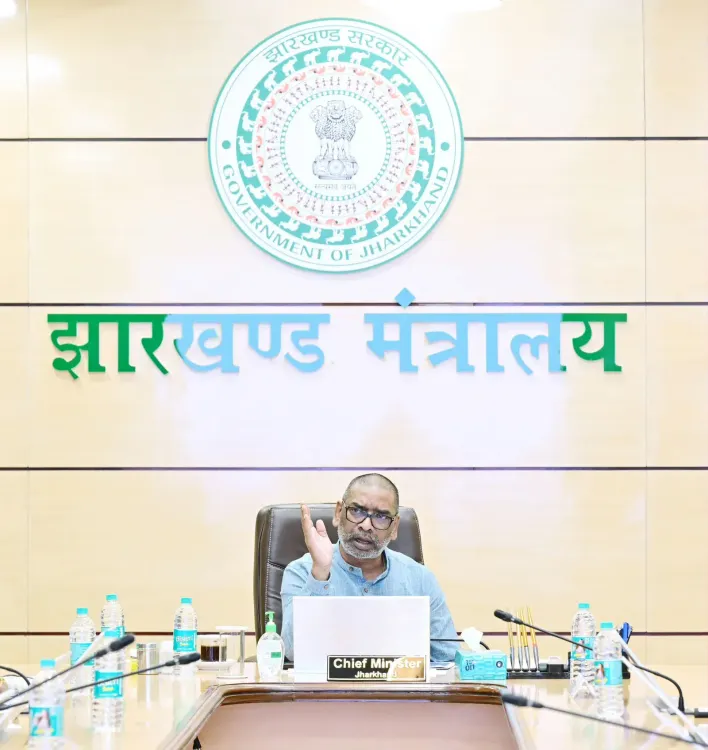
Chief Minister Hemant Soren chaired an HPV vaccination meeting at the Jharkhand Mantralaya on 4 November 2026, issuing directives to health officials to push forward the state's cervical cancer prevention programme, with rollout specifics yet to be announced.
Key Takeaways
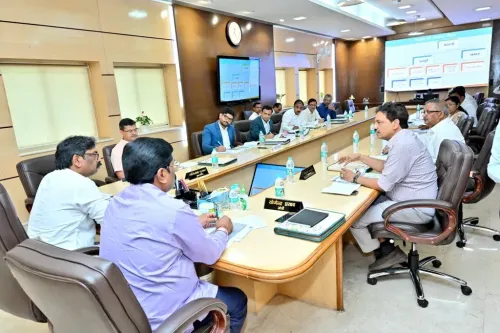
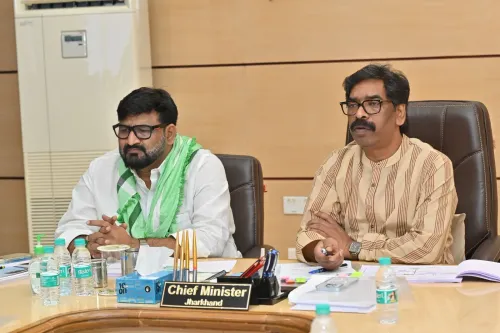
CM Hemant Soren personally chaired the HPV vaccination strategy meeting at the Jharkhand Mantralaya on 4 November 2026 .
MLA Irfan Ansari and officials coordinating with the Union Ministry of Health and Family Welfare attended the session.
The HPV vaccine protects adolescent girls from the virus strains most responsible for cervical cancer, which is among the leading cancer killers of Indian women.
Sikkim pioneered state-level HPV vaccination pilots in India in 2018 ; multiple states have since followed WHO and central government guidance on expanding the immunisation schedule.
Specific rollout details — target age groups, delivery plan, and coverage targets — are yet to be formally announced by the Jharkhand Health Department .
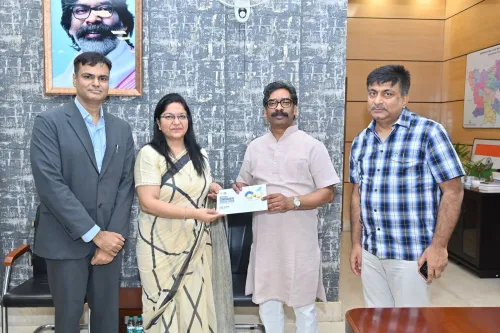
Cervical cancer kills thousands of Indian women every year — and Jharkhand has just moved to put that threat on notice. Chief Minister Hemant Soren chaired a high-level meeting on HPV (Human Papillomavirus) vaccination at the Jharkhand Mantralaya on Wednesday, 4 November 2026, directing officials to accelerate the state's immunisation push against one of the most preventable cancers.
The Chief Minister's Office confirmed that Soren issued necessary directives to senior health officials during the session. MLA Irfan Ansari, along with representatives coordinating with the Union Ministry of Health and Family Welfare and the Jharkhand Health Department, was also present at the meeting.
Why HPV vaccination matters for Jharkhand's girls
The Human Papillomavirus vaccine works by protecting adolescent girls from the strains of HPV most responsible for cervical cancer — before exposure, which makes early administration critical. Cervical cancer remains one of the leading causes of cancer mortality among women in India, disproportionately affecting states with lower screening penetration.
Nationally, the conversation around HPV vaccination gained momentum when Sikkim became one of the first Indian states to pilot the programme in 2018. Since then, the WHO and India's central health authorities have consistently pushed for broader inclusion of the HPV vaccine within the Universal Immunisation Programme (UIP), with multiple states running their own coordination exercises.
What Jharkhand's secretariat meeting signals
Holding the review directly in the state secretariat under the Chief Minister's chairmanship sends a clear political signal: this is not a departmental routine but an executive priority. When a state's top executive personally chairs a vaccination strategy meeting and issues directives, it typically precedes a formal rollout announcement — with targets for age groups, school-based delivery channels, and coverage benchmarks.
Key rollout details — target age group, delivery mechanism, and coverage goals — are yet to be formally announced by the Jharkhand Health Department. Those specifics will define how quickly and how widely the programme reaches girls across the state's 24 districts.
Jharkhand's move aligns with a wider national pattern where state governments are stepping up preventive oncology programmes, treating cervical cancer elimination not as a distant aspiration but as an achievable public-health target within this decade. The Chief Minister's direct involvement now turns the question from 'if' to 'when' — and 'how fast'.
Point of View
Hemant Soren is positioning cervical cancer prevention as a flagship health commitment ahead of a potential state-level programme launch. This fits a broader pattern across Indian states of using high-visibility executive action on preventive health to demonstrate governance credentials. The coordination with the Union Health Ministry signals Jharkhand is seeking central support — possibly for vaccine supply or funding under the UIP framework — which would accelerate coverage timelines. The political calculus is clear: a successful, school-based HPV rollout in a state with significant tribal and rural adolescent girl populations could become a defining welfare story for the Soren government.
NationPress
4 Nov 2026
Frequently Asked Questions
What is the HPV vaccination meeting chaired by Hemant Soren about?
Chief Minister Hemant Soren chaired a meeting at the Jharkhand Mantralaya on 4 November 2026 to review and direct the state's strategy for rolling out HPV (Human Papillomavirus) vaccination, aimed at preventing cervical cancer among adolescent girls.
What is the HPV vaccine and who is it for in India?
The HPV vaccine protects against the Human Papillomavirus strains most responsible for cervical cancer. In India, it is recommended primarily for adolescent girls, ideally before exposure to the virus, and has been part of state-level pilot programmes since at least 2018.
Has Jharkhand launched HPV vaccination yet?
As of the 4 November 2026 meeting, Jharkhand has held a high-level strategy session under CM Soren but has not yet formally announced rollout details such as the target age group, delivery mechanism, or coverage targets.
Which Indian state first introduced HPV vaccination?
Sikkim was one of the pioneering states in India to pilot the HPV vaccination programme, beginning in 2018, ahead of broader national consideration for inclusion in the Universal Immunisation Programme.
Why is cervical cancer a major health concern in India?
Cervical cancer is one of the leading causes of cancer mortality among Indian women, particularly in states with lower screening and healthcare penetration. The HPV vaccine, administered early enough, can significantly reduce the risk of the disease.