India-Iran ties: BJP hails Modi-Pezeshkian call, flags Hormuz security
Synopsis
PM Modi's phone call with Iranian President Pezeshkian wasn't routine diplomacy — it was a pointed signal. By raising Strait of Hormuz security and championing dialogue over conflict, India is positioning itself as an indispensable non-aligned voice in a West Asia crisis that directly threatens its energy supply chain.
Key Takeaways
PM Narendra Modi held a telephonic conversation with Iranian President Masoud Pezeshkian on 1 July 2025 to discuss the West Asia crisis.
Modi stressed India's position that all disputes be resolved through dialogue and diplomacy , welcoming progress in ongoing negotiations.
The Strait of Hormuz — a critical maritime route for India's petroleum imports — was specifically flagged as a security concern by the Prime Minister.
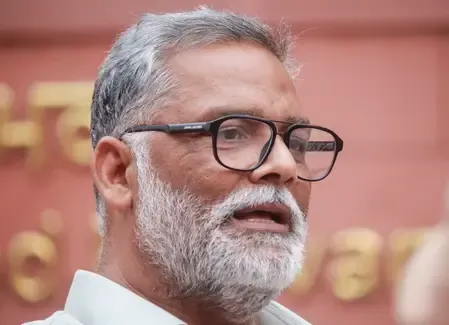
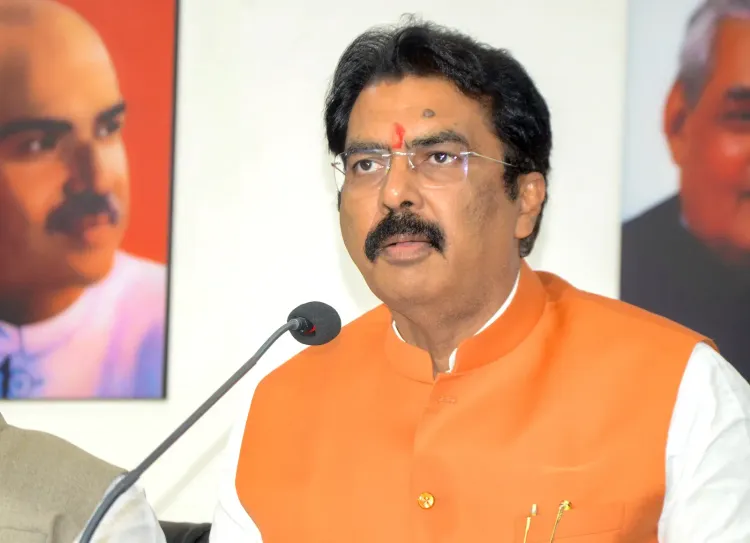
BJP leaders, including Sanjay Saraogi , Mukhtar Abbas Naqvi , and Syed Shahnawaz Hussain , described the call as a step toward strengthening India-Iran bilateral ties.
President Pezeshkian has reportedly invited Modi to attend ceremonies for late Supreme Leader Ayatollah Ali Khamenei , scheduled from 5 to 9 July .
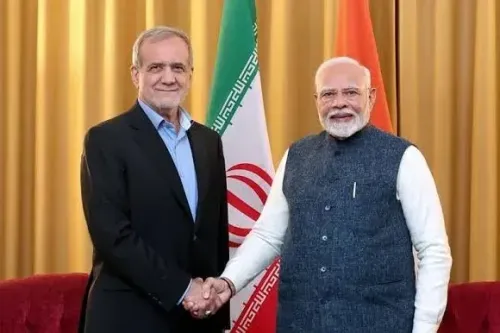
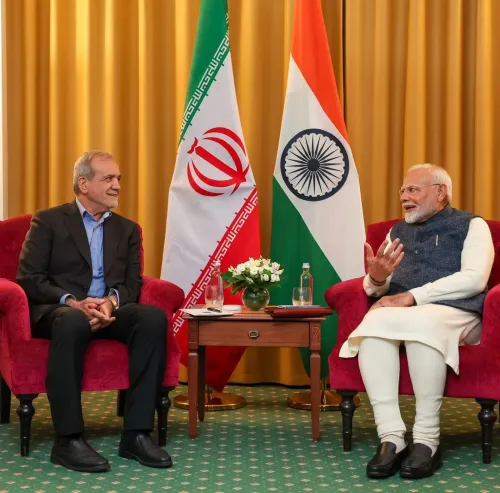
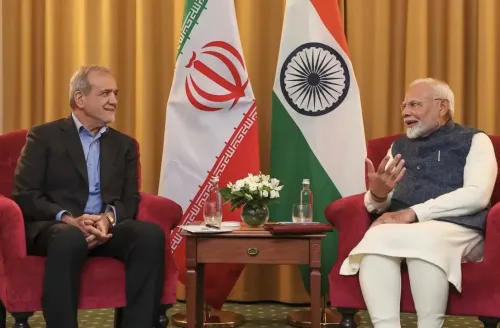
Prime Minister Narendra Modi on Tuesday, 1 July 2025, held a telephonic conversation with Iranian President Masoud Pezeshkian, with the Bharatiya Janata Party (BJP) describing the interaction as a meaningful step toward deepening India-Iran bilateral relations. The call, which centred on the evolving West Asia crisis, also saw Modi underscore India's abiding interest in the security of the Strait of Hormuz — a lifeline for the country's energy imports.
What Was Discussed
According to a statement from the Prime Minister's Office (PMO), President Pezeshkian briefed Modi on the latest developments in the West Asia crisis and the diplomatic path forward. Modi welcomed the understanding that has been reached in ongoing negotiations and reiterated India's consistent position that all disputes must be resolved through dialogue and diplomacy rather than conflict.
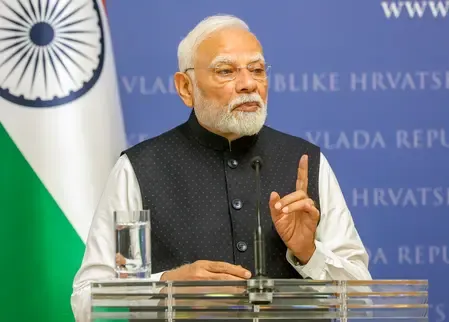
The Prime Minister specifically stressed the need for sustained efforts to ensure lasting peace and stability in the region, while highlighting the strategic importance of unimpeded freedom of navigation through the Strait of Hormuz — a chokepoint through which a large share of India's petroleum imports transit.
Modi's Post on X
After the conversation, Modi shared his remarks on social media platform X, writing: 'Spoke with the President of Iran, Dr Masoud Pezeshkian, on the recent developments in West Asia.' He added: 'Welcomed the progress made in the negotiations and expressed hope that continued efforts will lead to lasting peace in the region. Reiterated the importance of freedom of navigation in the Hormuz Strait for India and the world.'
BJP Voices: India as a Non-Aligned Bridge
BJP Bihar President Sanjay Saraogi told reporters: 'Prime Minister Modi is a global leader and one of the most popular leaders in the world. He discusses global issues and also raises India's concerns. A large quantity of petroleum products reached India through the Strait of Hormuz, and he has conveyed India's concerns regarding the security of this crucial maritime route.'
Senior BJP leader Mukhtar Abbas Naqvi said: 'Prime Minister Modi has consistently emphasised that stability, security, and peace in different regions are essential. He has repeatedly stated that solutions to crises should be achieved through dialogue, coordination, and mutual understanding rather than conflict.'
BJP National Spokesperson Syed Shahnawaz Hussain framed the call as emblematic of India's foreign policy posture: 'India maintains cordial relations with different countries and does not align itself with any particular bloc.'
Diplomatic Context
The call comes amid intensified international efforts to preserve a fragile understanding between Iran and Washington, reached after months of escalating tensions in West Asia. Notably, President Pezeshkian had earlier invited Prime Minister Modi to attend the burial ceremonies of Iran's late Supreme Leader Ayatollah Ali Khamenei, scheduled between 5 and 9 July.
India's diplomatic engagement with Tehran reflects a broader strategic calculus: New Delhi has historically maintained ties with Iran independent of Western pressure, given shared interests in connectivity projects such as the Chabahar Port and energy security. This call reinforces that pattern at a particularly sensitive moment in regional geopolitics.
What Comes Next
With the West Asia situation remaining fluid, India's emphasis on dialogue and Hormuz security signals that New Delhi intends to remain an active diplomatic voice in the region — without formally aligning with any side. Whether Modi accepts the invitation to Iran's state ceremonies could be the next significant indicator of how far this bilateral engagement will extend.
Point of View
Not incidental. With a significant share of India's crude transiting the Strait of Hormuz, any prolonged Iran-linked disruption is an energy crisis in slow motion for New Delhi. What mainstream coverage underplays is the Chabahar dimension — India's connectivity investment in Iran gives it skin in the game beyond oil. The BJP's chorus of endorsements also signals domestic political comfort with Iran engagement, a position that has historically required careful handling given India's ties with Gulf Arab states and the United States. The real question is whether Modi's invitation to Tehran's state ceremonies is accepted — that decision would speak louder than any phone call.
NationPress
1 Jul 2026
Frequently Asked Questions
What did PM Modi discuss with Iranian President Pezeshkian?
PM Modi spoke with President Masoud Pezeshkian on 1 July 2025 about the latest developments in the West Asia crisis and the diplomatic path forward. Modi welcomed progress in ongoing negotiations, reiterated India's support for dialogue over conflict, and stressed the importance of freedom of navigation through the Strait of Hormuz for India's energy security.
Why is the Strait of Hormuz important for India?
A large share of India's petroleum imports transit through the Strait of Hormuz, making it a vital maritime chokepoint for the country's energy supply. Any disruption to navigation in this route directly affects India's fuel supply and trade, which is why PM Modi specifically raised it during the call with President Pezeshkian.
How did the BJP react to the Modi-Pezeshkian phone call?
The BJP welcomed the call as a significant step toward strengthening India-Iran bilateral relations. Senior leaders including Sanjay Saraogi, Mukhtar Abbas Naqvi, and Syed Shahnawaz Hussain described it as consistent with India's policy of maintaining cordial ties with all countries without aligning with any particular bloc.
Has Iran invited PM Modi for any upcoming event?
Yes, Iranian President Pezeshkian reportedly invited PM Modi to attend the burial ceremonies of late Supreme Leader Ayatollah Ali Khamenei, scheduled to be held from 5 to 9 July. Whether Modi will accept the invitation has not been confirmed.
What is India's stated position on the West Asia crisis?
India's consistent position, as reiterated by PM Modi in the call, is that all issues in the region must be resolved through dialogue, diplomacy, and mutual understanding rather than conflict. New Delhi has also called for sustained efforts to ensure lasting peace and stability in West Asia.