PM Surya Ghar Yojana: Mangaluru beneficiary's bill drops to zero
Synopsis
A Mangaluru household's monthly electricity bill has dropped from over ₹3,000 to zero after installing rooftop solar panels under PM Modi's Surya Ghar Muft Bijli Yojana — and the family is now earning reimbursements for surplus power fed to the grid. A Chhattisgarh beneficiary echoes the relief. With a projected 65–70% investment recovery in under three years, the scheme is turning sceptics into solar converts.
Key Takeaways
Shet of Mangaluru, Karnataka saw his monthly electricity bill drop from over ₹3,000 to zero after joining the Pradhan Mantri Surya Ghar Muft Bijli Yojana .
Shet receives reimbursement for surplus electricity supplied to the grid and estimates recovering 65–70% of his investment within two-and-a-half years .
Solar panels are expected to deliver electricity at no extra cost for the next 20 to 25 years .
Mahendra Pratap Sinha from Chhattisgarh installed a 3-kilowatt system, eliminating bills that previously ranged from ₹1,000 to ₹6,000 per month.
Shet has called for higher subsidies and zero-interest loans to encourage wider household adoption of rooftop solar.
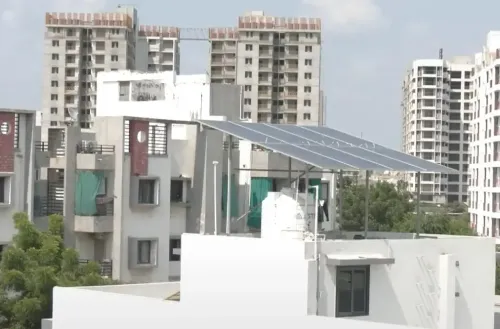
The Pradhan Mantri Surya Ghar Muft Bijli Yojana, the Centre's rooftop solar subsidy scheme, is delivering tangible relief to households across India, with beneficiaries in Mangaluru, Karnataka and Chhattisgarh reporting dramatic reductions in monthly electricity costs since installing solar panels under the programme.
Mangaluru Beneficiary's Electricity Bill Hits Zero
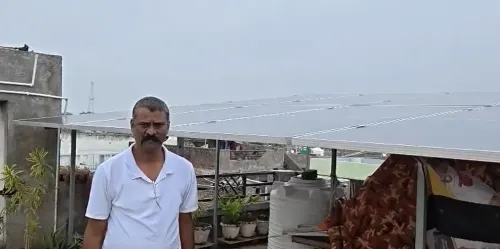
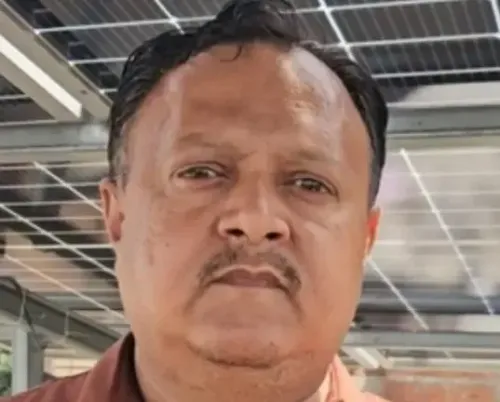
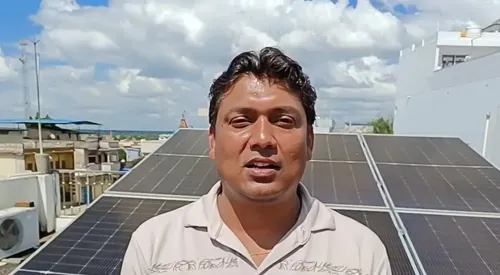
Arun G. Shet, a resident of Mangaluru, said his monthly electricity bill — which previously exceeded ₹3,000 — has now come down to zero after he installed rooftop solar panels under the scheme. He also receives reimbursement for surplus electricity fed back into the power grid.
'Rooftop solar panels have transformed his household's electricity expenses. Earlier, I paid more than ₹3,000 every month as electricity bills, but after installing solar panels, his electricity bill has come down to zero. The excess electricity generated is supplied to the power grid, for which I also receive reimbursement,' Shet said.
Shet estimates he will recover approximately 65 to 70 per cent of his initial investment within two-and-a-half years, with the panels expected to generate electricity at no additional cost for the next 20 to 25 years. He credited the scheme with both financial and environmental benefits, expressing gratitude to Prime Minister Narendra Modi for encouraging households to adopt rooftop solar. He also suggested that expanding subsidies and offering zero-interest loans could help more families make the switch.
Similar Impact Reported in Chhattisgarh
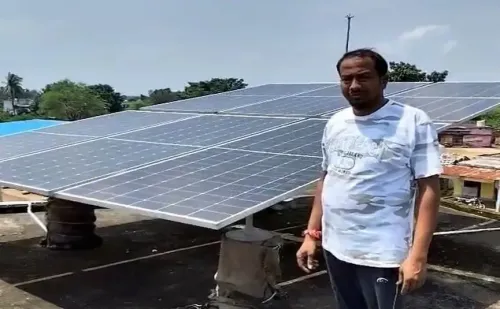
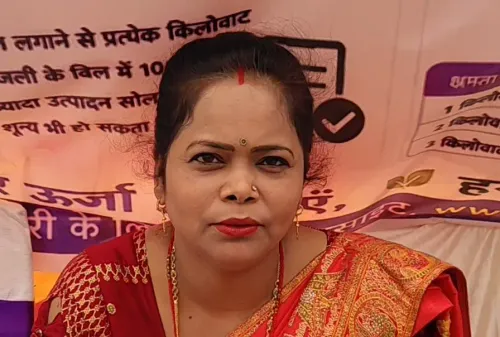
A comparable transformation has been reported in a village in Chhattisgarh, where Mahendra Pratap Sinha previously faced monthly electricity bills ranging from ₹1,000 to ₹6,000. Distressed by the unpredictable and recurring costs, Sinha opted to install a 3-kilowatt solar panel system under the scheme. He said the installation has significantly eased his household's electricity expenses.
What the Scheme Offers
The Pradhan Mantri Surya Ghar Muft Bijli Yojana provides subsidised rooftop solar installations to eligible households, with the stated aim of reducing dependence on grid electricity and cutting monthly energy costs. Beneficiaries can also earn through net metering, receiving payment for surplus power supplied to the grid. The scheme is part of the Centre's broader push toward renewable energy adoption at the household level.
Why It Matters
For lower- and middle-income households grappling with rising electricity tariffs, the scheme offers a route to long-term cost savings without recurring expenditure once the initial investment is recovered. Notably, early adopters like Shet highlight that the combination of bill elimination and grid-export earnings can accelerate the payback period considerably. If scaled, schemes of this nature could meaningfully contribute to India's renewable energy targets while reducing the financial burden on millions of homes.
Point of View
But the Surya Ghar scheme's true test lies in scale and equity — not individual success stories. The payback timeline of two-and-a-half years assumes stable grid-export rates and uninterrupted reimbursements, neither of which is guaranteed as state discoms face financial stress. The scheme's uptake among genuinely low-income households, who may lack the upfront capital even after subsidies, remains the harder policy question. Shet's own suggestion of zero-interest loans signals that subsidy alone is not enough to cross the affordability threshold for a large share of India's households.
NationPress
4 Nov 2026
Frequently Asked Questions
What is the Pradhan Mantri Surya Ghar Muft Bijli Yojana?
It is a Central Government scheme that provides subsidised rooftop solar panel installations to eligible households, aiming to reduce electricity bills and promote renewable energy adoption. Beneficiaries can also earn income by supplying surplus power back to the grid through net metering.
How much did the Mangaluru beneficiary save on electricity?
Arun G. Shet of Mangaluru reduced his monthly electricity bill from over ₹3,000 to zero after installing rooftop solar panels under the scheme. He also receives reimbursements for excess electricity supplied to the power grid.
How quickly can beneficiaries recover their investment?
According to Arun G. Shet, he expects to recover approximately 65 to 70 per cent of his investment within two-and-a-half years. The solar panels are expected to supply electricity at no additional cost for the next 20 to 25 years.
Who else has benefited from the Surya Ghar scheme?
Mahendra Pratap Sinha from a village in Chhattisgarh installed a 3-kilowatt system under the scheme and eliminated monthly bills that previously ranged from ₹1,000 to ₹6,000. His experience mirrors that of the Mangaluru beneficiary.
What improvements have beneficiaries suggested for the scheme?
Arun G. Shet has recommended increasing subsidies and introducing zero-interest loans to make rooftop solar installations accessible to more families who may not be able to afford the upfront costs even with existing subsidies.