Tamil Nadu Assembly passes NEET, FCRA resolutions against Centre on Aug 11
Synopsis
Tamil Nadu's Assembly doubled down on two fronts at once — renewing its years-long fight against NEET and firing a fresh shot at the Centre's proposed FCRA changes. Together, the resolutions frame the DMK government's sharpest legislative challenge yet to Union policy, spanning both education equity and civil society regulation.
Key Takeaways
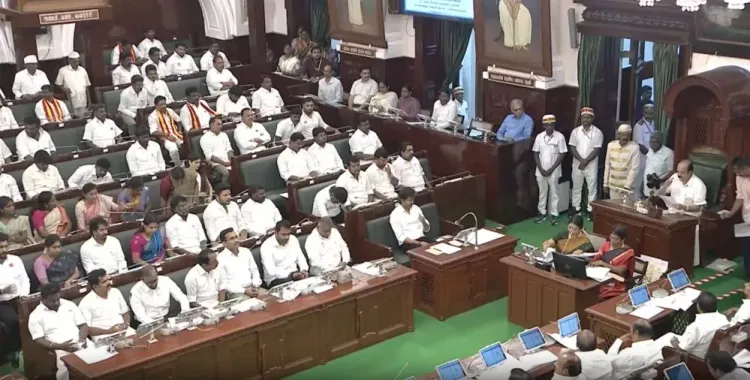
The Tamil Nadu Legislative Assembly on 11 August took up two special resolutions — against NEET and the Centre's proposed FCRA amendments .
Ministers Arun Raj and Rajmohan moved the respective resolutions in the House.
The NEET resolution demands a state-specific exemption, arguing the exam disadvantages rural, State Board, and economically weaker students .
The FCRA resolution urges the Centre to reconsider amendments that the state says could harm social, charitable, and developmental organisations .
Tamil Nadu has previously passed a NEET exemption bill , which remains pending before the Governor.
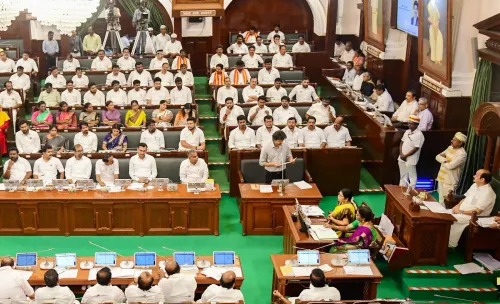
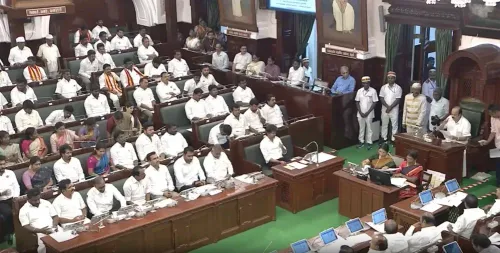
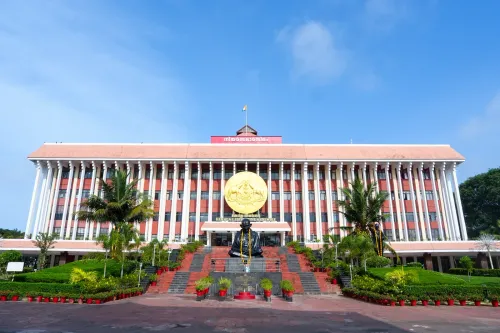
The Tamil Nadu Legislative Assembly on Tuesday, 11 August took up two special government resolutions — one renewing the state's opposition to the National Eligibility-cum-Entrance Test (NEET) for undergraduate medical admissions, and another objecting to the Centre's proposed amendments to the Foreign Contribution Regulation Act (FCRA). Both resolutions signal a fresh escalation in the ongoing tug-of-war between the Dravida Munnetra Kazhagam (DMK)-led state government and the Union government over policy jurisdiction.
The NEET Resolution
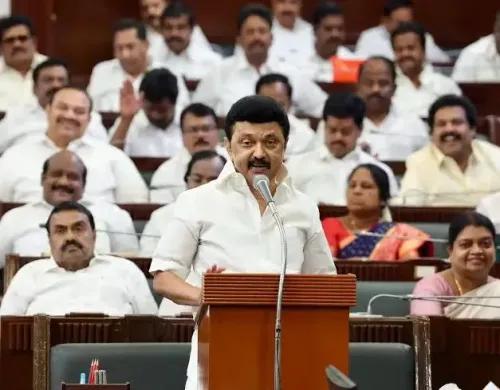
Ministers Arun Raj and Rajmohan moved the two separate resolutions in the House. The resolution on NEET reiterates Tamil Nadu's longstanding demand for a state-specific exemption from the centralised medical entrance examination. The government's core argument — consistent across successive administrations — is that NEET structurally disadvantages students from rural areas, economically weaker families, and those enrolled under the State Board curriculum, who lack access to the specialised coaching that NEET aspirants from urban and affluent backgrounds routinely receive.
The resolution calls on the Union government to allow Tamil Nadu to determine medical admissions through a framework that, in the state's view, better protects social justice and ensures equitable access across socio-economic backgrounds. Tamil Nadu has pursued this demand through legislative resolutions, court proceedings, and central government lobbying for several years, making NEET one of the state's most politically charged education policy battles.
The FCRA Amendment Resolution
The second resolution targets the Centre's proposed changes to the Foreign Contribution Regulation Act, the law that governs how associations, non-governmental organisations, and other entities in India receive and utilise foreign funds. The Tamil Nadu government has raised concerns that the proposed amendments could adversely affect organisations engaged in social, charitable, and developmental work — particularly those that rely on foreign contributions for legitimate activities.
The resolution urges the Union government to reconsider the proposed changes, arguing that tighter regulatory measures risk undermining civil society organisations that serve public welfare functions. Critics of the Centre's FCRA tightening have, over recent years, argued that successive amendments have made compliance burdensome and have been used to restrict the operational space of NGOs.
Political Significance
Both resolutions are expected to generate detailed floor debate, with political parties across the House likely to articulate their positions. The proceedings come during an ongoing Assembly session in which the Tamil Nadu government has repeatedly used legislative platforms to contest Union government policies it views as encroachments on state rights or threats to the interests of the state's residents.
Notably, this is not Tamil Nadu's first legislative push against NEET — the Assembly had previously passed a bill seeking exemption, which remains pending before the Governor. The FCRA resolution adds a new dimension, signalling the state's intent to resist what it characterises as regulatory overreach into civil society.
What Happens Next
The outcome of Tuesday's debate will be closely tracked, particularly the NEET resolution, given its direct implications for medical admissions in the state. Any resolution passed by the Assembly carries political weight but requires Union government action to translate into policy change — a path that has historically proven difficult for Tamil Nadu on the NEET question. The resolutions are also likely to reverberate beyond the Assembly floor, shaping the state's negotiating posture with the Centre in the months ahead.
Point of View
Enacted legislation, and lobbied New Delhi, yet the exemption remains elusive. The FCRA front is newer and signals the DMK broadening its confrontation with the Centre beyond education into civil society regulation. What mainstream coverage underplays is that these resolutions, even if symbolic, build a cumulative public record that shapes the state's federal bargaining position — and its electoral narrative heading into future cycles.
NationPress
25 Sept 2026
Frequently Asked Questions
What are the two resolutions passed in the Tamil Nadu Assembly on 11 August?
The Tamil Nadu Legislative Assembly took up a resolution opposing NEET for undergraduate medical admissions and a second resolution objecting to the Centre's proposed amendments to the Foreign Contribution Regulation Act (FCRA). Both were moved by ministers Arun Raj and Rajmohan during the Assembly session.
Why does Tamil Nadu oppose NEET?
Tamil Nadu argues that NEET disadvantages students from rural areas, economically weaker families, and those studying under the State Board curriculum, who typically cannot afford specialised entrance coaching. The state wants to determine medical admissions through its own system that it says better ensures social justice and equitable access.
What are Tamil Nadu's concerns about the FCRA amendments?
The state government contends that the Centre's proposed changes to the Foreign Contribution Regulation Act could harm organisations engaged in legitimate social, charitable, and developmental work that rely on foreign contributions. The resolution urges the Union government to reconsider the amendments.
Has Tamil Nadu taken legislative action on NEET before?
Yes. Tamil Nadu has previously passed a bill in the Assembly seeking exemption from NEET, which remains pending before the Governor. Legislative resolutions and court proceedings on the issue span several years across successive state governments.
What happens after the Assembly passes these resolutions?
Resolutions passed by a state assembly carry political and moral weight but do not automatically change central policy. For Tamil Nadu's NEET exemption or the FCRA position to take effect, the Union government would need to act — a step that has not materialised despite years of state pressure.