Tummidihatti Barrage: Telangana pushes talks with Maharashtra after Fadnavis meeting
Synopsis
Telangana is pushing ahead with inter-state diplomacy on the Tummidihatti Barrage, offering Maharashtra an independent submergence survey and a joint compensation fund to secure approval. With Maharashtra CM Fadnavis signalling openness after a 26 October meeting, the project's fate now hinges on a proposed joint committee of irrigation secretaries from both states.
Key Takeaways
Revanth Reddy directed officials on 3 November to maintain dialogue with Maharashtra on the Tummidihatti Barrage across the Pranahita River .
The barrage is proposed at a height of 152 metres on the Telangana–Maharashtra border.
Telangana has offered adequate compensation for affected Maharashtra farmlands and proposed a joint account for fund deposit.
Maharashtra CM Devendra Fadnavis responded positively at a 26 October meeting but cited the need to complete technical, environmental, and administrative steps.
A joint committee headed by the Principal Secretaries of both states' Irrigation Departments has been proposed to examine the project's feasibility and submergence impact.
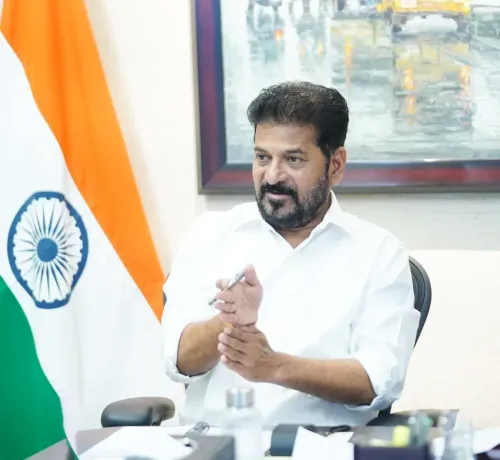
The Telangana government on Tuesday, 3 November 2026, reaffirmed its commitment to sustained dialogue with Maharashtra over the proposed Tummidihatti Barrage on the Pranahita River, following a high-level review of the inter-state water project. Chief Minister A. Revanth Reddy directed Irrigation Department officials to maintain robust communication with Maharashtra and come fully prepared with comprehensive documentation on submergence areas, existing agreements, and all related technical matters.
What the Review Meeting Decided
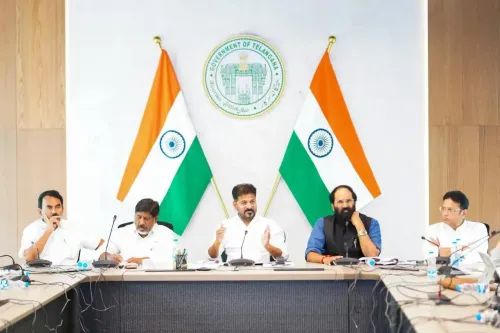
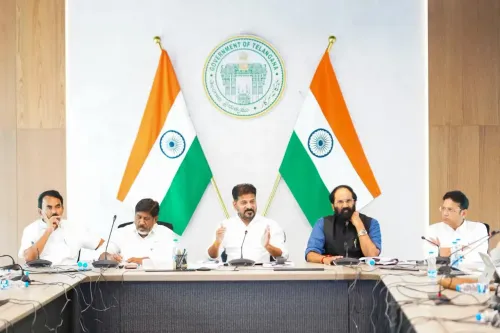
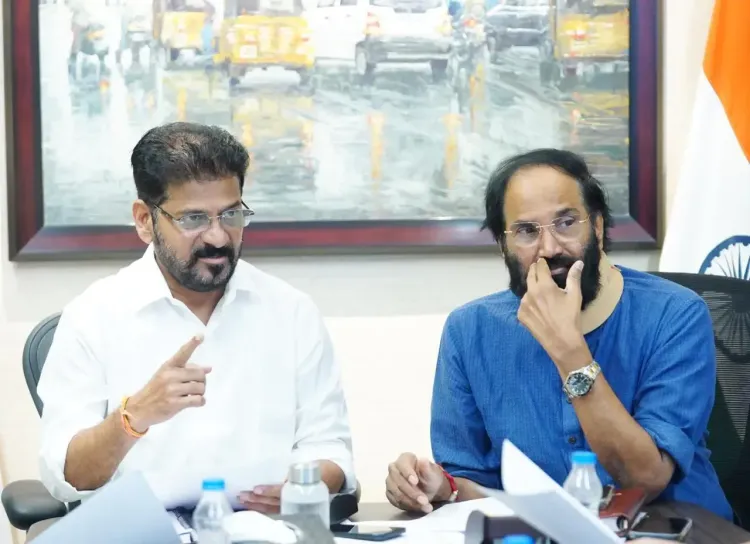
Chief Minister Revanth Reddy and Irrigation Minister N. Uttam Kumar Reddy jointly chaired a review meeting with senior officials examining the barrage, which is proposed to be constructed across the Pranahita River on the Telangana–Maharashtra border at a height of 152 metres. According to the Chief Minister's Office (CMO), Revanth Reddy reviewed the outcome of recent discussions held with Maharashtra and issued a series of directives to keep the process on track.
The Chief Minister made clear that Telangana is prepared to offer adequate compensation for any agricultural lands in Maharashtra that may be affected by submergence, and is also ready to deposit funds into a joint account held by both state governments. He further stated that Telangana would not object to Maharashtra conducting its own independent survey of potential submergence zones — a concession aimed at building trust across the border.
The Fadnavis Meeting on October 26
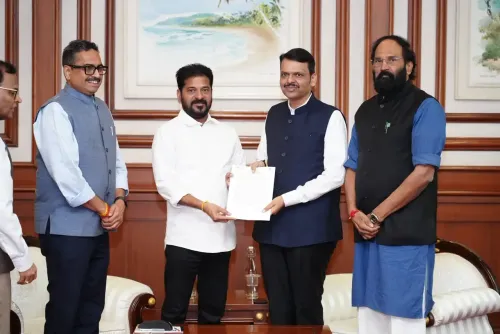
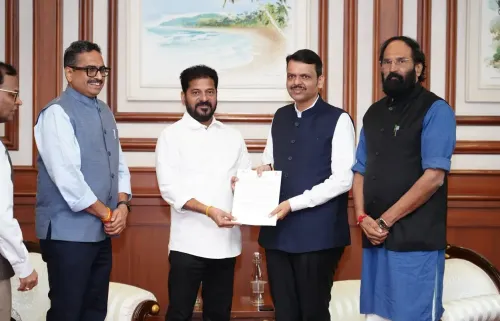
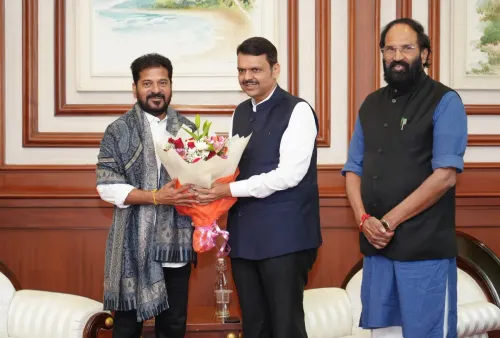
The review follows a significant diplomatic engagement on 26 October, when a Telangana delegation led by Chief Minister Revanth Reddy met Maharashtra Chief Minister Devendra Fadnavis. Fadnavis responded positively to Telangana's request for approval of the barrage at the proposed 152-metre height, while emphasising that several technical, environmental, and administrative steps would need to be completed before any final decision is reached.
Notably, Fadnavis proposed the constitution of a joint committee of officials headed by the Principal Secretaries of the Irrigation Departments of both states. This committee would be tasked with examining the proposed barrage height, water availability assessments, submergence implications, affected agricultural lands, compensation requirements, and other technical concerns — including alternative approaches where necessary.
Scope of the Joint Committee
The proposed joint committee's mandate is wide-ranging. It would assess the concerns of both states regarding the extent of submergence and possible impact on land and local communities. Both sides agreed that technical experts and officials from Telangana and Maharashtra would work together to prepare a clear timeline and roadmap for further discussions and necessary action. The way forward, it was agreed, would be worked out collaboratively by officials and experts of the two states.
What Happens Next
Telangana officials have been directed to furnish all information sought by Maharashtra in a timely manner — a step that signals the state's intent to keep momentum going. The barrage, if cleared, would be a major infrastructure project for the region, with potential implications for irrigation, agriculture, and water availability on both sides of the border. The formation of the joint committee and the preparation of a formal roadmap are now the immediate next steps, with both states having signalled a cooperative — if cautious — approach to resolving the outstanding issues.
Point of View
And the current round of diplomacy is notably more structured than past exchanges — with joint accounts, independent surveys, and a proposed secretaries-level committee all on the table. Yet the real test will be whether Maharashtra's 'positive response' translates into a formal nod, or whether the joint committee becomes a mechanism for indefinite delay. Telangana's willingness to let Maharashtra conduct its own submergence survey is a smart concession, but it also signals that Hyderabad knows the project faces genuine cross-border resistance. The broader pattern here — two Telugu-legacy states navigating river-sharing after bifurcation — reflects how much unfinished business the 2014 division left behind on water infrastructure.
NationPress
4 Nov 2026
Frequently Asked Questions
What is the Tummidihatti Barrage and why is it significant?
The Tummidihatti Barrage is a proposed dam across the Pranahita River on the Telangana–Maharashtra border, planned at a height of 152 metres. It is significant because it would boost irrigation and water availability for Telangana, but its construction requires Maharashtra's consent as it would submerge agricultural lands on that side of the border.
What did Telangana CM Revanth Reddy announce on 3 November?
Chief Minister Revanth Reddy directed Irrigation Department officials to continue dialogue with Maharashtra, furnish all requested documents in a timely manner, and come prepared with comprehensive details on submergence areas. He also confirmed Telangana's readiness to compensate Maharashtra for affected lands and allow an independent survey.
How did Maharashtra CM Devendra Fadnavis respond to Telangana's request?
Fadnavis responded positively during the 26 October meeting with the Telangana delegation, expressing willingness to revisit Telangana's request for approval of the 152-metre barrage. However, he stressed that several technical, environmental, and administrative steps must be completed before a final decision.
What is the proposed joint committee and what will it do?
Maharashtra CM Fadnavis proposed a joint committee headed by the Principal Secretaries of the Irrigation Departments of both states. It would examine the barrage height, water availability, submergence extent, affected farmlands, compensation needs, and explore alternative approaches, while preparing a timeline and roadmap for further action.
What concessions has Telangana offered Maharashtra?
Telangana has offered adequate compensation for any Maharashtra agricultural lands affected by submergence and is prepared to deposit funds into a joint account of both state governments. It has also agreed not to object if Maharashtra wishes to conduct its own independent survey of potential submergence zones.