Anurag Thakur Backs Modi's Energy Austerity Call Amid Global Turbulence
Synopsis
BJP MP Anurag Thakur has backed PM Modi's call for energy austerity, stating India is strategically recalibrating its energy requirements amid global economic and geopolitical turbulence. The remarks, made in New Delhi on 29 May 2026, align with India's Atmanirbhar Bharat framework and its history of demand-side energy management during global crises.
Key Takeaways
BJP MP Anurag Thakur posted from New Delhi on 29 May 2026 citing simultaneous shocks to global peace and the world economy.
PM Modi has issued a call for energy austerity , which Thakur says India is actively acting upon through strategic recalibration.
India's response has been framed around resilience, strategic planning, and decisive leadership.
The policy approach is consistent with Atmanirbhar Bharat , launched in 2020 , which enshrines strategic autonomy as India's answer to external shocks.
Primary stakeholders are industries and households , both of whom face direct implications from any formal energy austerity directives.
Formal government orders and any parliamentary action in the monsoon session are the next key milestones to watch.
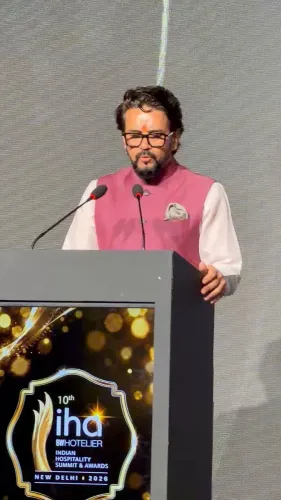
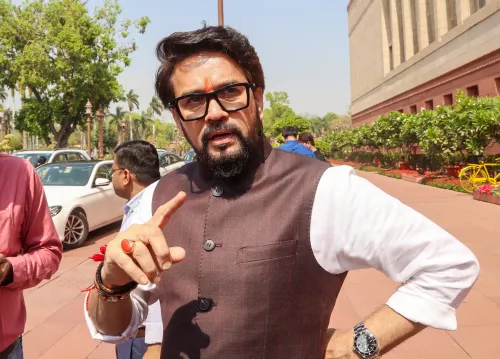
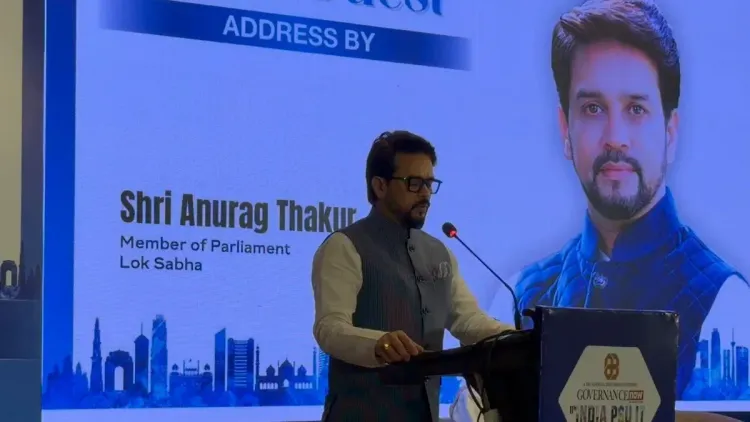
BJP MP Anurag Thakur on Friday, 29 May 2026, called for strategic recalibration of India's energy requirements, invoking Prime Minister Narendra Modi's directive on energy austerity as the country navigates what he described as simultaneous shocks to global peace and the world economy. The remarks, posted from New Delhi, signal a deliberate alignment of India's domestic policy posture with the volatile international environment.
Context
Thakur's post states plainly: 'We are meeting at a time when global peace and economy are passing through turbulences.' He credits India's response to 'resilience, strategic planning, and decisive leadership,' and specifically cites PM Modi's call for energy austerity as the anchor of the government's current approach. The framing positions India as a proactive manager of external shocks rather than a passive recipient.
The reference to an ongoing meeting suggests the remarks were made in the context of a policy or stakeholder gathering in Delhi, though the specific forum has not been publicly identified. The post's geotag confirms the capital as the location.
Policy Backdrop
India has a documented history of deploying demand-side energy management during global disruptions. As far back as 2022, when the Russia-Ukraine conflict drove crude oil prices to multi-year highs, the government issued energy conservation advisories and set efficiency targets across sectors. The current call for austerity follows that established playbook.
The broader framework is Atmanirbhar Bharat, launched in 2020, which institutionalised strategic autonomy as India's response to external economic shocks. Energy self-reliance — through conservation, diversified sourcing, and efficiency mandates — has been a recurring pillar of that agenda. Thakur's language of 'carefully recalibrating our requirements and strategy' maps directly onto this policy lineage.
PM Modi has consistently positioned energy security as a sovereign priority, linking it to macroeconomic stability and India's long-term growth trajectory. A call for energy austerity from the Prime Minister's office typically precedes formal advisories to industry and households.
Stakeholders and Impact
Industries and households are the two primary stakeholders in any energy austerity drive. For industry, recalibration can mean revised consumption targets, incentives for efficiency upgrades, and tighter monitoring of energy-intensive sectors. For households, it often translates into public awareness campaigns and, in more acute situations, tiered pricing signals.
India's import dependence for crude oil makes it structurally sensitive to global price volatility. Any sustained period of elevated energy costs compresses margins across manufacturing, logistics, and agriculture — sectors that together employ the bulk of India's workforce. A preemptive austerity signal is therefore as much an economic stabilisation measure as an environmental one.
The political messaging is also deliberate: by anchoring the response to PM Modi's leadership, the ruling BJP seeks to project governmental competence and foresight at a moment of international uncertainty.
What's Next
The immediate watch-point is whether PM Modi's energy austerity call translates into formal government orders — efficiency targets, revised procurement guidelines, or sector-specific conservation mandates. The monsoon session of Parliament is the next major legislative window where related policy measures could be tabled or debated.
Broader geopolitical developments will also shape the pace and depth of India's recalibration. If global energy markets remain under pressure, the government is likely to accelerate its push toward domestic renewables and strategic petroleum reserve management — consistent with the long-term arc of India's energy policy.
Point of View
And places PM Modi at the centre of that narrative at a moment of international stress. The invocation of 'energy austerity' is significant: it echoes the 2022 conservation playbook but carries greater urgency given the compounding of geopolitical and economic pressures in 2026. Anchoring the message to Atmanirbhar Bharat's strategic autonomy doctrine allows the BJP to simultaneously address domestic economic anxieties and project foreign-policy confidence. The absence of specific policy details leaves room for the government to calibrate its formal response to how global conditions evolve.
NationPress
13 Oct 2026
Frequently Asked Questions
What did Anurag Thakur say about India's energy policy?
Anurag Thakur stated that PM Modi has called for energy austerity and that India is carefully recalibrating its energy requirements and strategy in response to global economic and geopolitical turbulence.
What is PM Modi's energy austerity call?
PM Modi has called for energy austerity as a response to global instability, directing India to conserve energy and recalibrate its consumption strategy — a measure consistent with past government advisories during periods of high global energy prices.
How has India responded to global economic turbulence in the past?
India has historically responded to global economic shocks through demand-side energy management, strategic petroleum reserve measures, and the broader Atmanirbhar Bharat framework launched in 2020, which promotes self-reliance across key sectors.
What is Atmanirbhar Bharat and how does it relate to energy policy?
Atmanirbhar Bharat, launched in 2020, is India's strategic self-reliance initiative. Energy security — through conservation, diversified sourcing, and efficiency mandates — is a core pillar of this framework and informs the government's response to external shocks.
What should we watch for next on India's energy policy?
Key developments to watch include formal government orders on energy efficiency targets, any related announcements ahead of or during the monsoon session of Parliament, and broader policy moves on domestic renewables and strategic petroleum reserves.