Tharoor Remembers Rajiv Gandhi on 35th Death Anniversary
Synopsis
Congress MP Dr. Shashi Tharoor marked the 35th anniversary of Rajiv Gandhi's assassination on 21 May 2026, honouring the former Prime Minister's technology modernisation drive, democratic decentralisation push, and enduring faith in India's youth.
Key Takeaways
Shashi Tharoor posted a tribute on 21 May 2026 , the 35th anniversary of Rajiv Gandhi's assassination at Sriperumbudur, Tamil Nadu .
Rajiv Gandhi served as Prime Minister from 1984 to 1989 and is credited with launching India's computer literacy programmes and expanding telecommunications.
The 61st Constitutional Amendment (1988) under Gandhi lowered the voting age from 21 to 18 , enfranchising approximately 5 crore new voters.
Gandhi's push for democratic decentralisation directly informed the 73rd Constitutional Amendment of 1992 , which institutionalised Panchayati Raj .
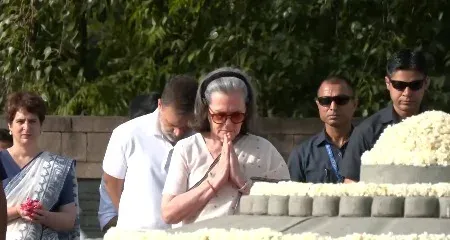
The Indian National Congress observes 21 May annually as Sadbhavana Diwas , using the occasion to reaffirm the party's connection to Gandhi's legacy.
India's IT sector, now employing over 50 lakh professionals , traces part of its institutional origins to the computerisation initiatives of the 1980s .
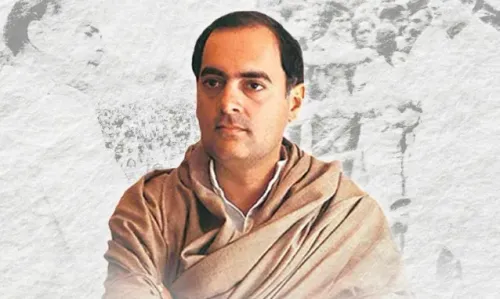
Congress MP Dr. Shashi Tharoor on Thursday, 21 May 2026 paid tribute to former Prime Minister Rajiv Gandhi on the 35th anniversary of his assassination, recalling his role in steering India toward technological modernity and his commitment to the country's youth and democratic institutions.
Context
Rajiv Gandhi was killed on 21 May 1991 by a suicide bomber linked to the Liberation Tigers of Tamil Eelam (LTTE) at Sriperumbudur, Tamil Nadu, during an election campaign rally. He was 46 years old at the time of his death. The assassination remains one of the most consequential acts of political violence in independent India's history.
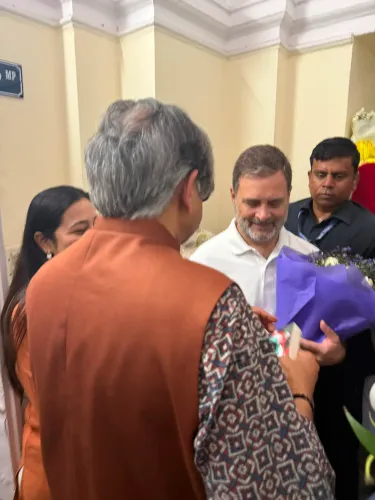
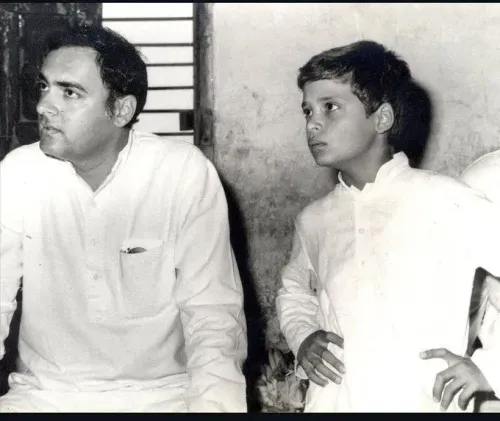
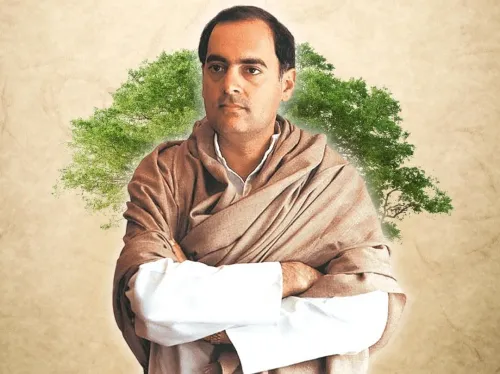
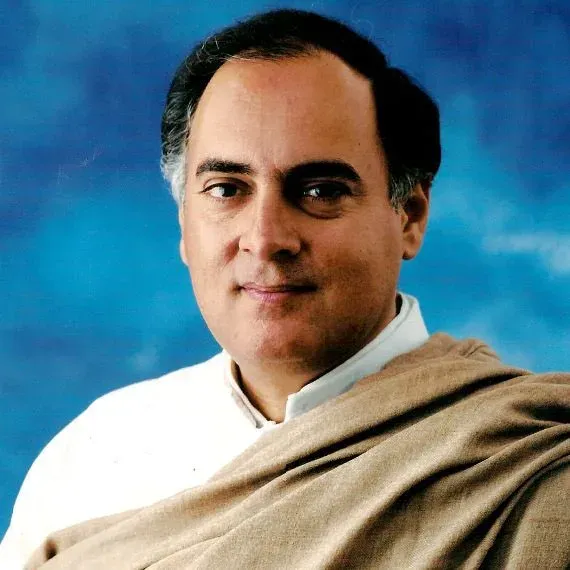
Dr. Tharoor, writing on X, described Gandhi as 'a leader and former Prime Minister whose vision helped usher India into the modern technological age and whose faith in India's youth and democratic institutions left a lasting imprint on the Republic.' The post was accompanied by two images and a linked video, the specific contents of which could not be independently verified.
Policy Backdrop
Rajiv Gandhi served as Prime Minister from 1984 to 1989, a tenure that brought sweeping changes to India's administrative and technological landscape. His government launched computer literacy programmes and accelerated the expansion of telecommunications infrastructure — initiatives widely credited with seeding the conditions for India's later IT services boom.
The New Education Policy introduced during his tenure sought to modernise curricula and broaden access to schooling. His administration also championed democratic decentralisation, a push that laid the groundwork for the 73rd Constitutional Amendment of 1992, which gave statutory backing to Panchayati Raj institutions and extended elected local governance to rural India.
Gandhi's emphasis on youth participation in public life — he lowered the voting age from 21 to 18 through the 61st Constitutional Amendment in 1988 — remains among his most cited democratic contributions, adding roughly 5 crore new voters to the electoral rolls at the time.
Stakeholders and Impact
Indian National Congress leaders and workers across the country mark 21 May each year as Sadbhavana Diwas, a day of harmony and remembrance. For the party, the anniversary serves both as a moment of collective mourning and an occasion to draw a line of continuity between Gandhi's legacy and its contemporary political identity.
India's IT and technology sector, which today employs over 50 lakh professionals and contributes significantly to export earnings, traces part of its institutional origins to the computerisation drives of the 1980s. Tributes from figures such as Dr. Tharoor — himself a former UN Under-Secretary-General and a minister who once held the IT portfolio — carry particular resonance given that lineage.
For youth voters and first-time participants in democratic processes, the lowering of the voting age remains a tangible, enduring policy outcome that directly expanded the franchise.
What's Next
Congressional commemorations around 20–21 May each year frequently generate fresh political discourse on technology policy, decentralisation, and institutional reform. Observers will watch whether the 2026 anniversary prompts any programmatic announcements by the Congress party framed as extensions of Rajiv Gandhi's modernisation agenda. Parliamentary sessions in the weeks following such anniversaries have historically seen references to his legacy during debates on digital governance and rural empowerment.
Point of View
Tharoor implicitly positions the Congress as the original architect of the IT-enabled India that subsequent governments have claimed credit for building. The reference to 'faith in India's youth' also echoes the party's current outreach strategy toward younger voters ahead of electoral cycles. Such anniversary tributes are rarely purely ceremonial within the Congress; they function as soft ideological anchors that frame the party's past as prologue to its present policy positions.
NationPress
24 Sept 2026
Frequently Asked Questions
When was Rajiv Gandhi assassinated and where?
Rajiv Gandhi was assassinated on 21 May 1991 at Sriperumbudur, Tamil Nadu , by a suicide bomber linked to the LTTE during an election campaign rally.
What is Sadbhavana Diwas?
Sadbhavana Diwas , meaning 'Day of Harmony,' is observed on 21 May each year by the Indian National Congress to commemorate the death anniversary of former Prime Minister Rajiv Gandhi and honour his legacy of national integration.
What was Rajiv Gandhi's contribution to technology in India?
As Prime Minister from 1984 to 1989 , Rajiv Gandhi launched computer literacy programmes, accelerated telecom expansion, and promoted a culture of technological modernisation that is widely seen as foundational to India's later IT boom.
Why did Shashi Tharoor pay tribute to Rajiv Gandhi?
Dr. Shashi Tharoor posted his tribute on 21 May 2026 to mark the 35th anniversary of Rajiv Gandhi's assassination, highlighting the former Prime Minister's technology vision and commitment to democratic institutions.
How did Rajiv Gandhi expand voting rights in India?
The 61st Constitutional Amendment of 1988 , enacted under Rajiv Gandhi's government, lowered the voting age from 21 to 18 years , adding an estimated 5 crore new voters to India's electoral rolls.