PM Modi chairs 52nd PRAGATI meet, reviews ₹30,000 crore infrastructure projects
Synopsis
At the 52nd PRAGATI meeting, Modi reviewed ₹30,000 crore worth of road, power, metro rail, and industrial corridor projects — and added two surprise items: AI-driven TB elimination and a push for e-Zero FIR in cybercrime cases. The breadth signals PRAGATI is evolving from an infrastructure tracker into a whole-of-government accountability platform.
Key Takeaways
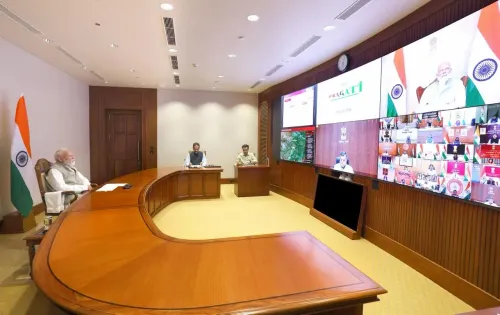
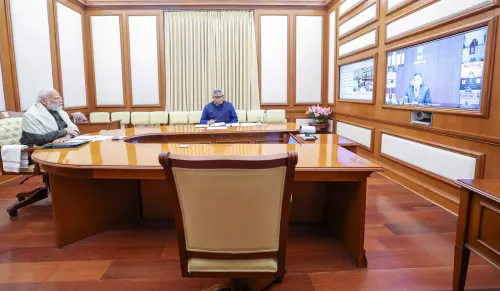
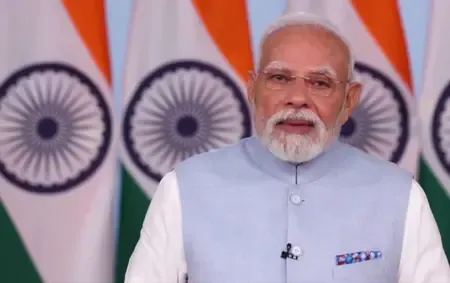
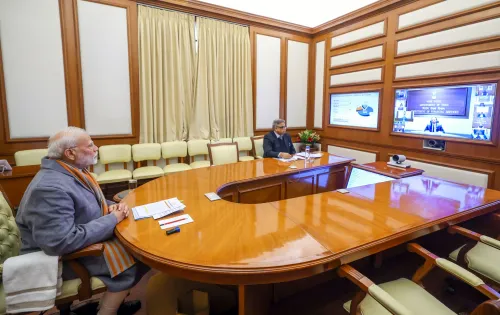
PM Modi chaired the 52nd PRAGATI meeting on 25 June at Seva Teerth .
Four infrastructure projects worth over ₹30,000 crore across road, power, industrial corridor, and metro rail sectors in four states were reviewed.
Modi directed ministries and states to resolve pending project issues in mission mode and use the PM GatiShakti National Master Plan for real-time tracking.
Progress under TB Mukt Bharat Abhiyan was reviewed, with a call to integrate Artificial Intelligence and deploy NCC and MY Bharat volunteers.
Modi flagged cybercrime and digital arrest grievances, urging states to enable e-Zero FIR mechanisms for faster response.
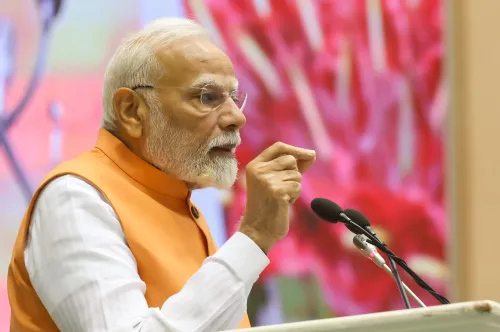
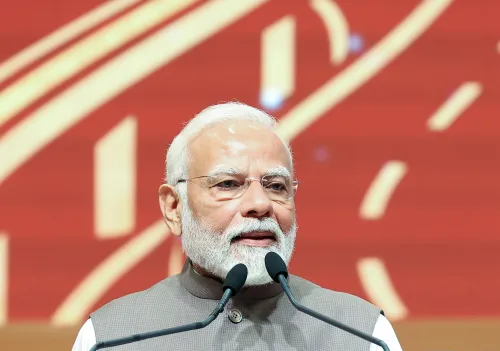
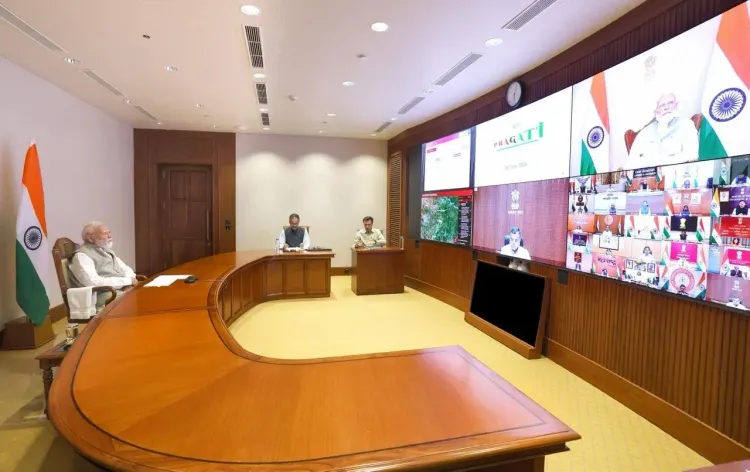
Prime Minister Narendra Modi on 25 June chaired the 52nd meeting of PRAGATI at Seva Teerth, reviewing four critical infrastructure projects with a combined outlay of over ₹30,000 crore spanning the road, power, industrial corridor, and metro rail sectors across four states. Modi said the projects would 'add momentum to economic growth, connectivity and industrial progress.'
Key Developments
The four projects — cutting across road, power, industrial corridor, and metro rail sectors — were assessed for timelines, inter-agency coordination, issue resolution, and completion schedules. PRAGATI, the ICT-enabled multi-modal platform, is designed to foster proactive governance through seamless coordination between the Centre and state governments.
Modi directed concerned ministries and state governments to resolve pending issues in 'mission mode' and ensure close monitoring at the highest level, underscoring that infrastructure delays not only escalate costs but also deprive citizens and industries of timely benefits.
GatiShakti Push for Timely Execution
The Prime Minister stressed the importance of using the PM GatiShakti National Master Plan for efficient planning and execution. He called for regular and timely updates of project details, utilities, infrastructure layers, clearances, and field-level information on the portal, so that bottlenecks can be identified in advance and decisions can be grounded in reliable real-time data.
TB Mukt Bharat and AI Integration
Modi also reviewed progress under the TB Mukt Bharat Abhiyan, emphasising the need to leverage emerging digital technologies, including Artificial Intelligence, to support the campaign. He suggested involving NCC cadets and MY Bharat volunteers to strengthen awareness, patient follow-up, and community mobilisation efforts.
Cybercrime and Digital Arrest Grievances
Expressing concern over the growing misuse of digital platforms to defraud citizens, Modi reviewed grievances related to cybercrime and digital arrest cases. He stressed that such matters require 'coordinated, sensitive and time-bound action' by all concerned agencies, and called for stronger public awareness campaigns to help people identify and avoid cyber fraud.
Notably, the Prime Minister urged states to work towards enabling e-Zero FIR mechanisms for faster registration and response in cyber fraud cases — a push that, if implemented, would mark a significant shift in how law enforcement handles digital crime at the first point of contact. He also emphasised that citizens should not be forced to approach multiple departments for redressal, calling for clear accountability among law enforcement agencies, banks, and digital platforms.
The 52nd PRAGATI meeting signals continued federal-level pressure on states to accelerate project delivery — a recurring theme as India races to close its infrastructure gap ahead of its 2047 development targets.
Point of View
But its 52nd iteration reveals a platform quietly expanding its remit — TB elimination, cybercrime redressal, and digital governance now sit alongside highway and metro reviews. That breadth is both a strength and a risk: the more PRAGATI tries to track, the harder it becomes to hold any single outcome accountable. The e-Zero FIR push is the most operationally significant item from this meeting and has received the least attention — if states actually implement it, it would be the most meaningful change to first-response policing of financial crime in years. The recurring instruction to use GatiShakti for real-time tracking also raises a pointed question: after multiple PRAGATI cycles, why does the PM still need to remind agencies to keep the portal updated?
NationPress
25 Jun 2026
Frequently Asked Questions
What is PRAGATI and what was reviewed at the 52nd meeting?
PRAGATI is an ICT-enabled multi-modal platform for proactive governance and timely project implementation through Centre-state coordination. At the 52nd meeting on 25 June, PM Modi reviewed four infrastructure projects worth over ₹30,000 crore across road, power, industrial corridor, and metro rail sectors in four states, along with TB Mukt Bharat Abhiyan progress and cybercrime grievances.
Which sectors are covered under the ₹30,000 crore projects reviewed?
The four projects span the road, power, industrial corridor, and metro rail sectors across four states. They were assessed for timelines, inter-agency coordination, and issue resolution.
What did PM Modi say about the PM GatiShakti National Master Plan?
Modi stressed that the PM GatiShakti National Master Plan must be used for efficient planning and execution of infrastructure projects. He called for regular updates of project details, utilities, clearances, and field-level data on the portal so bottlenecks can be identified in advance using real-time information.
How does the PRAGATI meeting address cybercrime and digital arrest cases?
PM Modi reviewed citizen grievances related to cybercrime and digital arrest at the 52nd meeting, calling for coordinated, sensitive, and time-bound action by law enforcement agencies, banks, and digital platforms. He urged states to enable e-Zero FIR mechanisms for faster registration and response in cyber fraud cases.
What role will AI and volunteers play in the TB Mukt Bharat Abhiyan?
Modi called for leveraging Artificial Intelligence to support the TB Mukt Bharat Abhiyan and suggested deploying NCC cadets and MY Bharat volunteers for awareness generation, patient follow-up, and community mobilisation efforts.