India's first hydrogen train flagged off: Erik Solheim calls it 'great' for India
Synopsis
India joined an elite group of nations operating hydrogen-powered passenger trains as PM Modi flagged off a 10-coach, 2,600-passenger train from Jind, Haryana — complete with the country's first integrated railway hydrogen ecosystem. Former UNEP chief Erik Solheim's endorsement on X adds rare international validation to what the Ministry of Railways calls the next frontier after electrifying 99% of its broad gauge network.
Key Takeaways
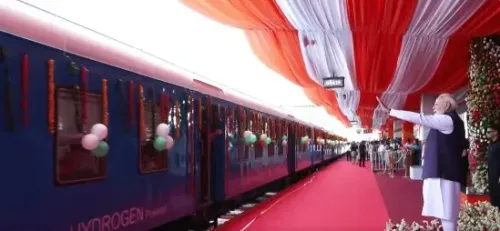
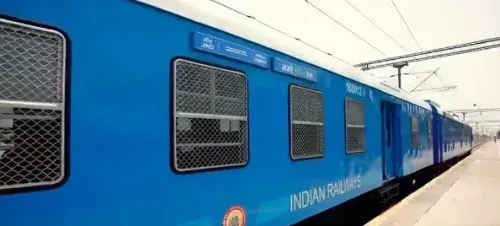
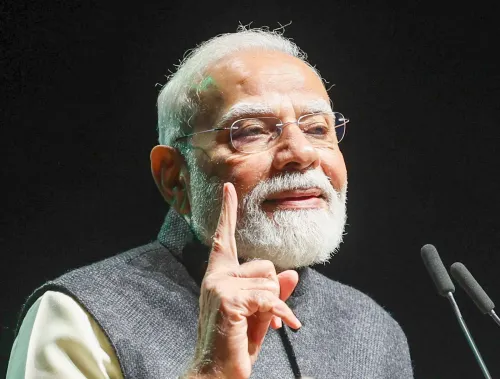
PM Narendra Modi flagged off India's first hydrogen-powered train from Jind, Haryana on 17 July .
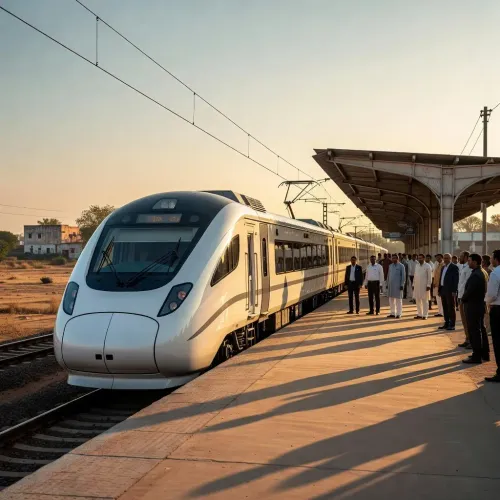
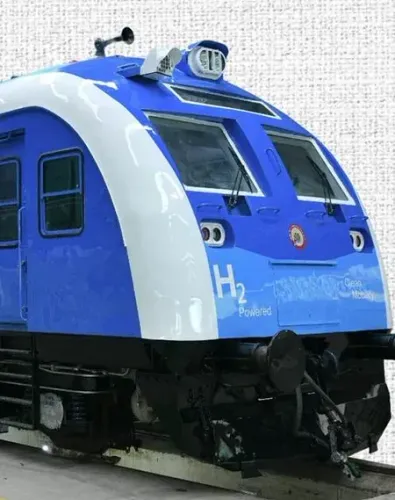
The train has 10 coaches , carries approximately 2,600 passengers , and has a top speed of 110 kmph .
Each of the two power cars produces 1,200 kW (1,600 hp) ; the only by-products are water vapour and heat.
India's first integrated railway hydrogen ecosystem — producing, storing, and refuelling hydrogen on-site — has been set up at Jind , with a storage capacity of nearly 3,000 kg .
Former UNEP Executive Director Erik Solheim praised the project on X, calling it a demonstration of 'the feasibility of clean rail transportation in India.' The project aligns with India's National Green Hydrogen Mission and net-zero goals; hydrogen trains may expand to heritage railways in future.
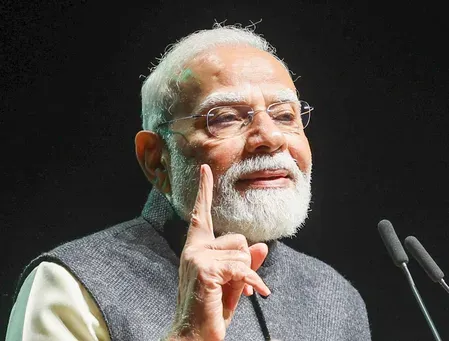
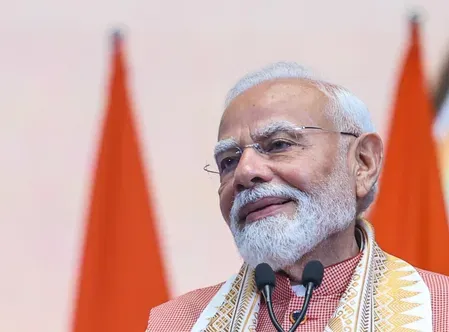
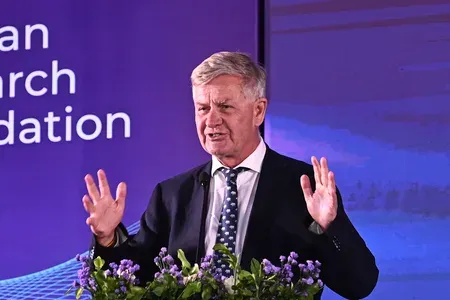
Prime Minister Narendra Modi on Friday, 17 July flagged off India's first hydrogen-powered train from Jind, Haryana, marking a landmark moment in the country's green mobility push. Hours before the launch, former UN Environment Programme (UNEP) Executive Director Erik Solheim praised the development, writing on X: 'This is great, India!'
What Makes This Train Historic
The hydrogen train operates on a Proton Exchange Membrane (PEM) fuel cell, generating electricity onboard by combining hydrogen stored in cylinders with atmospheric oxygen. Unlike diesel locomotives or conventional electric trains dependent on overhead wires, the only by-products of this process are water vapour and heat — making it a near-zero-emission mode of transport, according to the Ministry of Railways.
The train comprises 10 coaches — two hydrogen-powered power cars and eight trailer coaches — with each power car producing 1,200 kW (1,600 hp). Designed to carry approximately 2,600 passengers, it has a maximum speed of 110 kmph, placing it among the largest hydrogen-powered passenger train sets developed anywhere in the world.
The Route and Infrastructure
The train will operate between Jind and Sonepat in Haryana. To support its operations, Indian Railways has established the country's first integrated railway hydrogen ecosystem at Jind. Hydrogen is produced on-site through electrolysis, compressed for storage, and dispensed via dedicated refuelling stations. The facility can store nearly 3,000 kg of hydrogen for regular operations.
Safety Systems and Compliance
Given hydrogen's highly flammable nature, Indian Railways has incorporated multiple safety layers across both the train and the refuelling infrastructure. These include hydrogen leak detectors, flame, heat and smoke sensors, continuous ventilation systems, and automatic shutdown mechanisms that cut off the hydrogen supply upon detecting any abnormality. The project has also undergone independent safety assessment and complies with international standards as well as the statutory requirements of the Petroleum and Explosives Safety Organisation (PESO).
Global Recognition and Erik Solheim's Endorsement
Former UN Under-Secretary-General Erik Solheim — a Norwegian diplomat, politician, and former environment minister who served as UNEP Executive Director — expressed enthusiasm about the project on X. 'The project combines advanced propulsion technology with dedicated hydrogen storage, refuelling and operational infrastructure, and will demonstrate the feasibility of clean rail transportation in India,' he wrote.
Solheim played a significant role in 2018 in persuading India to commit to phasing out single-use plastics by 2022. He is reportedly optimistic that India can serve as a catalyst for reducing global greenhouse gas emissions more broadly.
Alignment With India's Green Goals
According to the Ministry of Railways, the hydrogen train represents the next step in India's green transition after electrifying more than 99 per cent of its broad gauge network. The project supports India's National Green Hydrogen Mission and the country's long-term net-zero commitments. Hydrogen-powered trains are likely to be introduced on additional routes, including heritage railways, in the future, the ministry added.
Notably, this is the first time India has deployed a hydrogen-based propulsion system on its passenger rail network — a development that positions the country alongside a handful of nations, including Germany and China, that have piloted hydrogen rail technology at scale.
Point of View
But the harder question is scalability. Green hydrogen produced via electrolysis remains significantly more expensive than grid-powered traction — and Indian Railways has already electrified over 99% of its broad gauge network, meaning the incremental emissions case for hydrogen on mainline routes is narrow. The real opportunity, as the ministry hints, lies in non-electrified heritage and hill railways where overhead wiring is impractical. Whether this Jind-Sonepat pilot translates into a commercially viable fleet — or remains a high-visibility proof of concept — depends on how fast electrolyser costs fall and whether the National Green Hydrogen Mission delivers on its production targets.
NationPress
17 Jul 2026
Frequently Asked Questions
What is India's first hydrogen-powered train and where does it run?
India's first hydrogen-powered train is a 10-coach passenger train flagged off by PM Narendra Modi from Jind, Haryana on 17 July. It operates on the Jind–Sonepat route at a maximum speed of 110 kmph, carrying up to 2,600 passengers.
How does the hydrogen train work?
The train uses a Proton Exchange Membrane (PEM) fuel cell that combines onboard hydrogen with atmospheric oxygen to generate electricity, which powers its traction motors. The only by-products are water vapour and heat, making it a near-zero-emission vehicle, according to the Ministry of Railways.
What did Erik Solheim say about India's hydrogen train?
Former UNEP Executive Director Erik Solheim wrote on X: 'This is great, India!' He added that the project 'combines advanced propulsion technology with dedicated hydrogen storage, refuelling and operational infrastructure, and will demonstrate the feasibility of clean rail transportation in India.'
What safety measures are in place for the hydrogen train?
Indian Railways has installed hydrogen leak detectors, flame, heat and smoke sensors, continuous ventilation systems, and automatic shutdown mechanisms across the train and refuelling infrastructure. The project has also cleared an independent safety assessment and complies with PESO statutory requirements.
How does this train fit into India's broader green energy goals?
The hydrogen train supports India's National Green Hydrogen Mission and its long-term net-zero targets. It follows the electrification of more than 99% of India's broad gauge network and is expected to be extended to other routes, including heritage railways, in the future.