DMK's Stalin demands CEC Gyanesh Kumar's removal over electoral roll irregularities
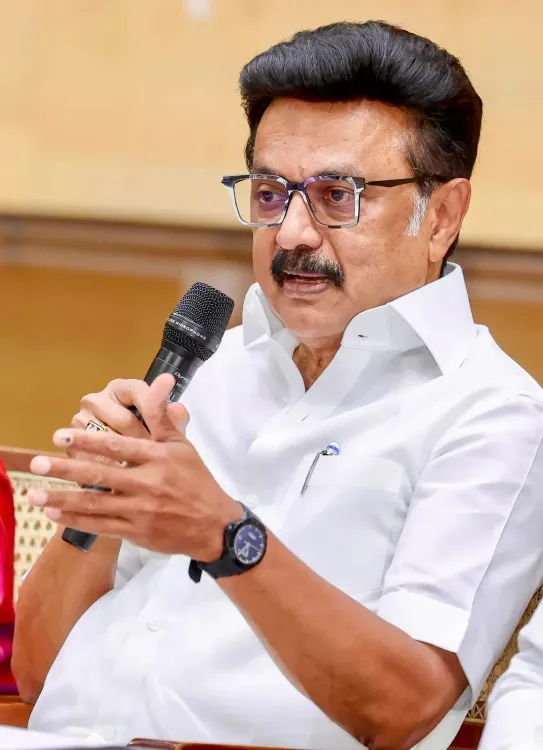
Synopsis
DMK chief M.K. Stalin has escalated the opposition's attack on the Election Commission, demanding the immediate ouster of CEC Gyanesh Kumar after alleging that two fellow commissioners raised objections 14 times over 10 months — a charge that, if true, points to a serious breakdown in the ECI's collegial decision-making process, with implications for electoral integrity ahead of upcoming state polls.
Key Takeaways
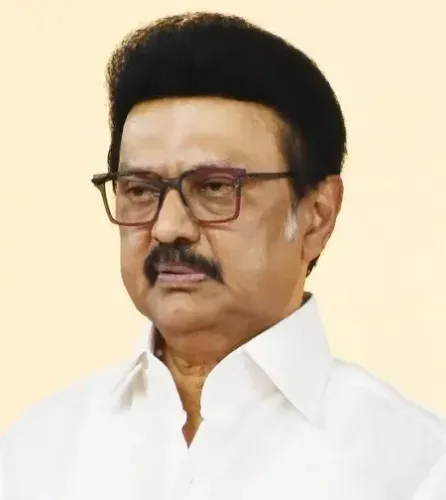
Stalin on 23 September 2026 demanded the immediate removal of Chief Election Commissioner Gyanesh Kumar .
Stalin alleged that Election Commissioners Sukhbir Singh Sandhu and Vivek Joshi objected to decisions 14 times over 10 months without being consulted.
Alleged objections covered decisions on adding and deleting voters and the operation of electoral roll management software .
Stalin called for a halt to the Special Intensive Revision (SIR) of electoral rolls and an impartial inquiry into the Election Commission of India .
He alleged SIR exercises before elections caused serious irregularities, particularly in West Bengal .
Opposition parties, including the DMK, had earlier filed a formal notice seeking the CEC's removal.
Dravida Munnetra Kazhagam (DMK) President M.K. Stalin on Wednesday, 23 September demanded the immediate removal of Chief Election Commissioner (CEC) Gyanesh Kumar, alleging that two fellow Election Commissioners had objected to decisions taken without their knowledge or approval on 14 separate occasions over 10 months. The demand, made via a statement on social media, also called for a halt to the Special Intensive Revision (SIR) of electoral rolls and an impartial inquiry into the Election Commission of India (ECI)'s conduct.
The Core Allegations
Stalin alleged that Election Commissioners Sukhbir Singh Sandhu and Vivek Joshi had raised objections on 14 occasions over 10 months, reportedly covering decisions on adding and deleting voters and the operation of software used to manage electoral rolls. He questioned how decisions could have been lawfully taken if two of the three Election Commissioners were allegedly unaware of them.
The DMK president also raised concerns about Electoral Registration Officers (EROs), who are legally responsible for updating voter lists. He alleged that restrictions embedded in the electoral roll software had prevented EROs from exercising their statutory powers, including adding eligible voters in certain cases.
SIR and West Bengal Concerns
Stalin claimed that SIR exercises conducted shortly before elections had led to serious irregularities, particularly in West Bengal. He argued that the disclosures raised broader questions about Assembly election results conducted following such revisions. The DMK and other opposition parties had previously opposed the large-scale deletion of names from voter lists, he noted.
He further asked who had authorised appeals against court-directed inclusion of voters and why the other Election Commissioners had allegedly not been informed of such decisions — questions he said warranted an investigation into possible political interference.
What the Commission Rules Require
Under the three-member structure of the Election Commission of India, matters are required to be decided unanimously wherever possible and by majority opinion when members disagree. Critics argue that the alleged pattern of unilateral decisions, if substantiated, would represent a structural breakdown in that process, damaging public confidence in the institution's independence and transparency.
Opposition's Renewed Demand
Stalin noted that opposition parties, including the DMK, had earlier submitted a formal notice seeking Gyanesh Kumar's removal. Renewing that demand, he urged the relevant authorities to remove the CEC immediately, suspend the SIR process, and initiate an independent probe into decisions taken within the Commission. The Election Commission of India had not publicly responded to the allegations at the time of this report.
The controversy arrives at a politically sensitive juncture, with several state elections on the horizon and opposition scrutiny of the ECI's functioning at an elevated pitch.
Point of View
Multi-party pressure campaign against the Election Commission that has been building for months. The allegation that two of three Election Commissioners were bypassed on critical voter-list decisions strikes at the constitutional design of a collegial body meant to function by consensus or majority. What mainstream coverage risks missing is the software dimension: if ERO-level officers were indeed locked out of their own statutory powers by the Commission's software architecture, that is an administrative and legal problem well beyond political point-scoring. The ECI's silence on these specific technical allegations is, in itself, a story.
NationPress
23 Sept 2026
Frequently Asked Questions
Why is M.K. Stalin demanding the removal of CEC Gyanesh Kumar?
Stalin is demanding Gyanesh Kumar's removal, alleging that two fellow Election Commissioners — Sukhbir Singh Sandhu and Vivek Joshi — raised objections 14 times over 10 months to decisions taken without their knowledge or approval. He argues this pattern of alleged unilateral decision-making compromises the Election Commission's independence and transparency.
What is the Special Intensive Revision (SIR) of electoral rolls?
The Special Intensive Revision is a process through which the Election Commission reviews and updates voter lists, which can involve adding or removing names. Opposition parties including the DMK have opposed SIR exercises, alleging they led to large-scale deletions of legitimate voter names, particularly before elections in states such as West Bengal.
What role did Election Commissioners Sandhu and Joshi allegedly play?
According to Stalin's statement, Election Commissioners Sukhbir Singh Sandhu and Vivek Joshi reportedly raised objections to decisions — including on voter additions, deletions, and electoral roll software — on 14 occasions over 10 months, suggesting they were excluded from key choices.
Has the Election Commission responded to these allegations?
The Election Commission of India had not publicly responded to the specific allegations at the time of this report. The DMK and other opposition parties had earlier filed a formal notice seeking the CEC's removal.
What action has Stalin asked for?
Stalin has called for three specific actions: the immediate removal of CEC Gyanesh Kumar, an immediate halt to the Special Intensive Revision of electoral rolls, and an impartial inquiry into decisions taken within the Election Commission, with punishment for those found responsible.