TTP, Baloch rebels open two-front war on CPEC as Pakistan faces manpower crisis
Synopsis
Pakistan is fighting a two-front insurgency — TTP in KP and BLF in Balochistan — with both groups now specifically targeting CPEC infrastructure. Seven security personnel were killed at Gwadar, senior officers have been assassinated, and the army has issued an emergency recall of retired soldiers. With Beijing watching and no concrete containment plan in sight, Pakistan's CPEC gamble is looking increasingly precarious.
Key Takeaways
The TTP and BLF have opened a coordinated two-front offensive targeting Pakistani security forces in KP and Balochistan .
The BLF's 'Operation Almas' is specifically focused on disrupting CPEC -linked infrastructure, with the latest attack killing seven security personnel at Gwadar Zero Point .
Military Intelligence Captain Sajjad and Lieutenant Colonel Hassan Mujahid were among senior officers killed in the operation.
Militant groups are reportedly planning to target high-ranking Pakistan Army officers , raising fears of demoralisation and desertions.
The Pakistani Army has issued an emergency recall of retired personnel, with a reporting deadline of 30 October , underscoring a severe manpower shortage.
China is reportedly stepping up pressure on Islamabad over the safety of CPEC investments, as Pakistan lacks a concrete plan to contain the attacks.
The Tehreek-e-Taliban Pakistan (TTP) and the Balochistan Liberation Front (BLF) have launched coordinated assaults on Pakistani security forces across Khyber Pakhtunkhwa (KP) and Balochistan, intensifying a two-front security crisis that is now directly threatening China-Pakistan Economic Corridor (CPEC) infrastructure, according to intelligence officials. The simultaneous offensive is stretching Pakistan's security apparatus to its limits at a time when the country reportedly faces an acute manpower shortage.
The Two-Front Offensive
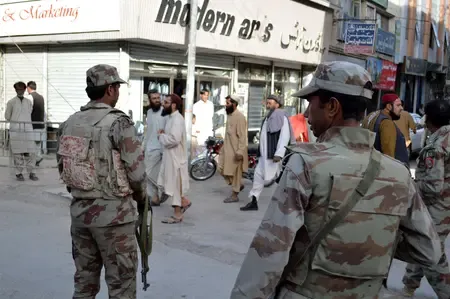
According to an Intelligence Bureau official, the security situation across both Balochistan and KP remains 'grim', with the TTP and Baloch separatist groups reportedly planning simultaneous strikes in the two provinces. The strategy, officials warn, is designed to stretch Pakistan's security forces thin across multiple theatres, degrading their operational effectiveness on each front individually.
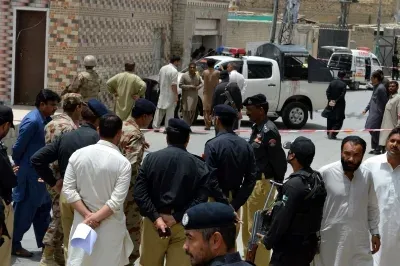
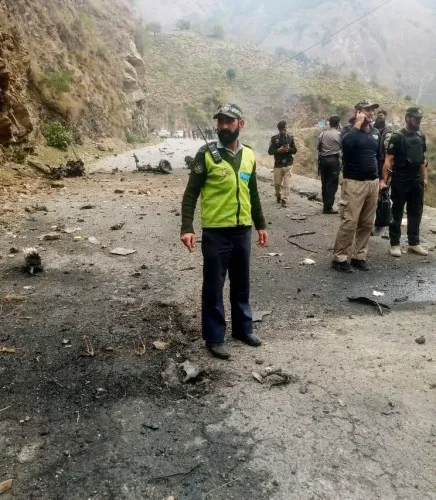
The BLF has launched what it calls 'Operation Almas', which is focused specifically on disrupting developmental projects tied to the CPEC. The most recent attack under this operation targeted the Frontier Works Organisation (FWO) at Gwadar Zero Point, killing seven Pakistani security personnel. Among the senior officers killed are Military Intelligence Captain Sajjad and Lieutenant Colonel Hassan Mujahid.
CPEC Under Threat
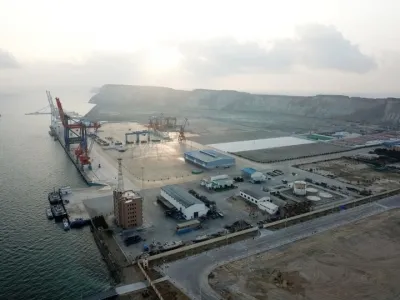
Intelligence inputs suggest that the TTP, BLF, and the Balochistan Liberation Army (BLA) are likely to escalate attacks on CPEC-linked development projects in the coming weeks. Gwadar, the strategically vital port city that serves as the corridor's southern anchor linking western China to the Arabian Sea, is considered a prime target. Officials warn that sustained attacks on Gwadar would directly hurt Chinese investments in the region.
This comes amid growing pressure from Beijing on Islamabad over the safety of Chinese nationals and infrastructure. According to reports, Pakistan is struggling to maintain the balance in its relationship with China even as it lacks a concrete plan to contain the simultaneous attacks across multiple fronts.
Targeting High-Ranking Officers
A particularly alarming development, according to officials, is the reported plan by militant groups to specifically target high-ranking Pakistan Army officers. An Intelligence Bureau official warned that such strikes could cause widespread demoralisation within the ranks and potentially trigger desertions — a severe concern for Rawalpindi at a time of acute manpower pressure.
'This would result in the forces getting demoralised, which would further hurt the battle in KP and Balochistan,' the official said.
Emergency Recall of Retired Personnel
The gravity of the manpower crisis came into sharp relief when the Pakistani Army issued an emergency recall of retired personnel, with those recalled reportedly ordered to report by 30 October, according to an official. The move underscores the depth of the institutional strain Pakistan's military is under as it attempts to manage simultaneous insurgencies on two geographically separated fronts.
Analysts note that this is not an isolated escalation — the BLA, BLF, and TTP have repeatedly warned against Chinese investment in the region, and Islamabad has yet to address the underlying political grievances driving the insurgencies. With Beijing's patience reportedly wearing thin, Pakistan faces a compounding crisis that is as much diplomatic as it is military.
Point of View
With CPEC, the country's flagship economic lifeline, now in the crosshairs. The emergency recall of retired army personnel is a telling admission: the institutional military capacity that Rawalpindi has long projected is under genuine strain. What mainstream coverage often misses is that Beijing's patience is not unlimited; China has quietly signalled frustration over security failures before, and a sustained CPEC disruption could trigger a renegotiation of terms that Pakistan can ill afford. The deeper contradiction is structural — Islamabad has neither addressed the political grievances in Balochistan nor dismantled the TTP networks it once tolerated, leaving it fighting fires it arguably helped start.
NationPress
24 Oct 2026
Frequently Asked Questions
What is Pakistan's two-front security crisis involving TTP and Baloch rebels?
Pakistan is simultaneously battling the Tehreek-e-Taliban Pakistan (TTP) in Khyber Pakhtunkhwa and the Balochistan Liberation Front (BLF) in Balochistan, with both groups coordinating to stretch the country's security forces across multiple fronts. Intelligence officials say the groups are escalating attacks specifically to target CPEC-linked infrastructure and demoralise the Pakistan Army.
What is Operation Almas and what has it targeted?
Operation Almas is a BLF offensive focused on disrupting development projects linked to the China-Pakistan Economic Corridor (CPEC). Its most recent attack struck the Frontier Works Organisation at Gwadar Zero Point, killing seven Pakistani security personnel, including Military Intelligence Captain Sajjad and Lieutenant Colonel Hassan Mujahid.
Why is Gwadar a key target for militant groups?
Gwadar is the southern anchor of the CPEC, the corridor designed to link western China to the Arabian Sea through Pakistan. Attacks on Gwadar directly threaten Chinese investments and the strategic viability of the entire CPEC project, making it a high-value target for groups seeking to undermine both Pakistani authority and Sino-Pakistani ties.
Why has Pakistan issued an emergency recall of retired army personnel?
According to intelligence officials, Pakistan faces a severe manpower shortage as it attempts to manage simultaneous insurgencies in KP and Balochistan. The army has recalled retired personnel with a reporting deadline of 30 October, a move seen as an emergency measure reflecting the depth of its operational strain.
How does this crisis affect Pakistan's relationship with China?
China is reportedly increasing pressure on Islamabad over the security of CPEC projects and Chinese nationals in the region. Officials say Pakistan is 'walking a tightrope' with Beijing and currently has no concrete plan to contain the attacks, raising the risk of diplomatic and financial consequences if the situation deteriorates further.