ULLAS literacy program transforms rural women in Mahisagar, Gujarat
Synopsis
In Mahisagar's villages, student volunteers taught illiterate women to sign their names, read dairy slips, and count money — between 7:30 and 8:30 every evening. Over 4,100 women passed formal literacy exams in March. Now a second phase targets the remaining 347 villages, with 100% literacy as the declared goal. This is what grassroots NEP implementation looks like when it works.
Key Takeaways
The ULLAS Navbharat Literacy Programme under the National Education Policy has completed its first phase in Mahisagar district, Gujarat .
4,697 illiterate individuals were identified and enrolled; 4,135 passed the examination held in March — a pass rate above 90% .
Teaching was delivered by 532 student volunteers supervised by 126 teachers , in a daily 7:30–8:30 PM slot across villages including Pakhi, Pattan, Libodra, and Ranpur .
Skills taught included reading, writing, numeracy, banking tasks, and dairy-slip reading.
Phase two runs from 15 July to 15 October , covering 347 remaining villages with a target of 100% literacy in Mahisagar.
The ULLAS Navbharat Literacy Programme, a flagship initiative under the National Education Policy (NEP), is reshaping lives in Mahisagar district, Gujarat, by equipping rural women and marginalised youth with foundational literacy skills — reading, writing, numeracy, and basic financial tasks. The programme has emerged as one of the most impactful grassroots education drives in the state, with results from its first phase now on record.
Key Developments in Mahisagar
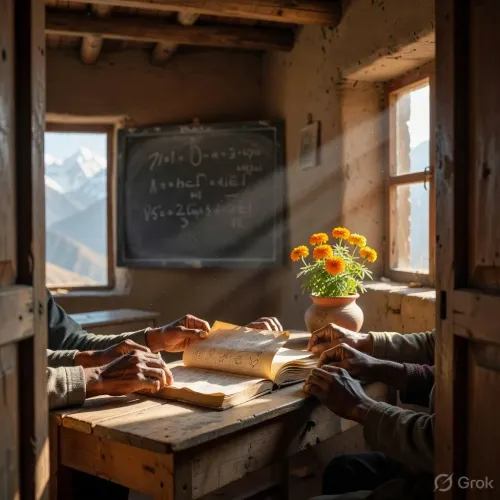
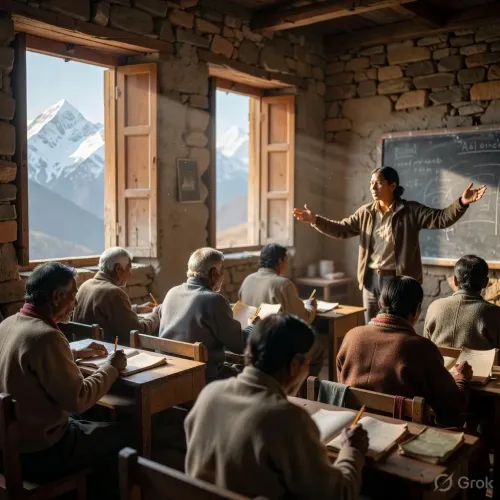
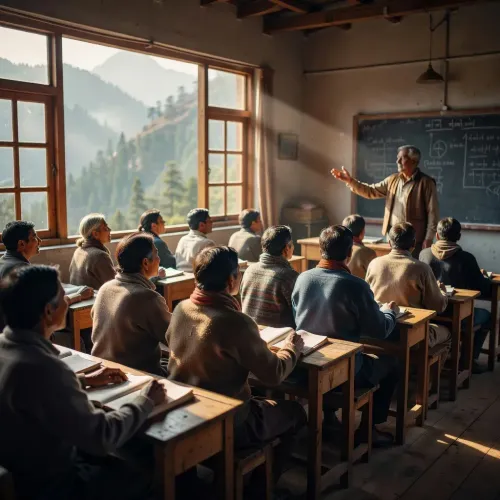
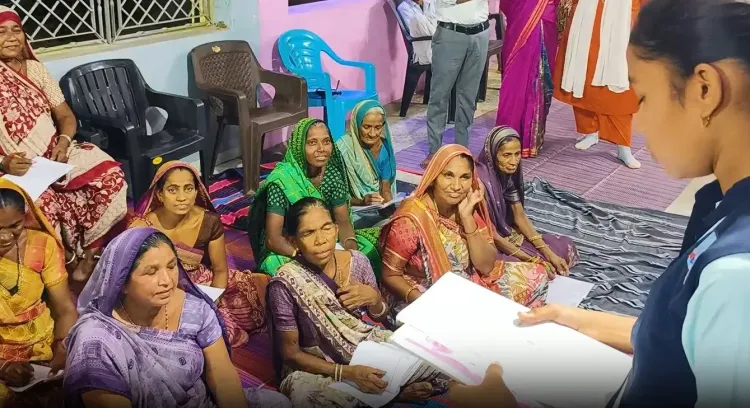
Of 717 villages in Mahisagar district, a targeted survey identified settlements where female literacy fell below 60 percent. From this, 4,697 illiterate individuals were enrolled for a six-month teaching cycle, instructed by 532 student volunteers under the supervision of 126 teachers. Classes were conducted in villages across Pakhi, Pattan, Libodra, and Ranpur.
When examinations were held in March, 4,561 individuals appeared and 4,135 passed — a pass rate exceeding 90 percent. The scheme covered practical competencies including banking procedures, post office operations, dairy-slip reading, and basic numeracy.
Voices from the Ground
Maguben, one of the learners, described the change in her own words: 'Earlier, I could only use a thumbprint (for signatures). Today, I have learned to sign my name. Teachers come and impart various lessons, which helped me pass the exam three times. We have learned to sign; we are very happy about it.'
Bhartiben, another participant, said: 'I used to struggle with reading the time and counting up to 100. The children taught me both these things. Now, I know how to read a clock and count from one to 100. Additionally, I have learned to read the slips issued when depositing milk at the dairy.'
Both accounts reflect the programme's focus on functional, everyday literacy rather than rote academic learning.
How the Programme Was Delivered
Mahisagar District Collector Arpit Sagar said the teaching sessions were scheduled between 7:30 PM and 8:30 PM — a window chosen specifically because women were free from household and agricultural chores by then. Student volunteers taught reading, writing, and basic banking skills during this hour. According to the District Collector, the most encouraging aspect of the campaign was the women's own enthusiasm and consistent attendance.
The ULLAS model also integrates digital access: learners can use the DIKSHA Portal and the ULLAS mobile app for educational content in regional languages. Certificates are awarded on completion, and volunteer teachers play a dual role — as educators and as motivators sustaining long-term engagement.
Phase Two: The Road to 100% Literacy
District Collector Arpit Sagar announced that a second phase will run from 15 July to 15 October, covering the remaining 347 villages — those where female literacy already exceeds 60 percent. The stated goal is 100 percent literacy across all of Mahisagar district. Surveys in these villages will identify remaining illiterate residents, who will then be enrolled in the next teaching cycle.
The ULLAS programme also emphasises 'Kartavya Bodh' — a sense of civic duty and social responsibility — encouraging both learners and volunteer teachers to view literacy as a community obligation, not merely a personal milestone. With Phase Two now imminent, Mahisagar's model could serve as a replicable template for other districts with similar literacy gaps.
Point of View
700 first-generation learners is not a figure to dismiss. But the design choice to use student volunteers as primary instructors, while cost-effective and community-building, raises a question mainstream coverage has not asked: what is the quality threshold for 'passing,' and does it translate to sustained functional literacy once the programme ends? India has a long history of literacy campaigns that produce certificates without durable outcomes. The 7:30 PM class slot is an elegant logistical solution, but the real test will be whether women who learned to sign their names and read dairy slips in 2024 are still doing so independently in 2026. Phase two's ambition of 100% literacy across all 717 villages is admirable; a credible follow-up measurement framework would make it historic.
NationPress
28 Sept 2026
Frequently Asked Questions
What is the ULLAS Navbharat Literacy Programme?
The ULLAS Navbharat Literacy Programme is a central government scheme implemented under the National Education Policy (NEP) to provide foundational literacy — reading, writing, and numeracy — to illiterate adults, particularly women and marginalised youth. In Gujarat's Mahisagar district, it used student volunteers to teach evening classes across rural villages.
What were the results of the ULLAS programme's first phase in Mahisagar?
Of 4,697 individuals enrolled, 4,561 appeared for the examination in March and 4,135 passed — a pass rate of over 90 percent. The programme covered 717 villages in Mahisagar, focusing on areas where female literacy was below 60 percent.
When does the second phase of ULLAS in Mahisagar begin?
The second phase is scheduled to run from 15 July to 15 October, covering the remaining 347 villages where female literacy already exceeds 60 percent. The goal is to achieve 100 percent literacy across Mahisagar district.
How were classes conducted under the ULLAS programme?
Classes were held daily from 7:30 PM to 8:30 PM, a slot when women were free from household duties. Student volunteers — 532 in total — taught under the supervision of 126 teachers, covering reading, writing, numeracy, banking, and dairy-related tasks.
What digital tools support the ULLAS programme?
Learners can access educational content in regional languages through the DIKSHA Portal and the ULLAS mobile app. Certificates are awarded on passing examinations, and the programme promotes 'Kartavya Bodh' — a sense of civic duty — among both learners and volunteer teachers.