CM Yogi: UP Installs 450 Weather Stations, 2,000 Rain Gauges
Synopsis
Uttar Pradesh Chief Minister Yogi Adityanath announced the installation of 450 automatic weather stations and 2,000 block-level automatic rain gauges across the state, strengthening its meteorological infrastructure for agricultural planning and disaster preparedness.
Key Takeaways
450 automatic weather stations have been installed across Uttar Pradesh as announced by CM Yogi Adityanath on June 8, 2026 .
2,000 automatic rain gauges have been deployed at the block level, bringing hyper-local rainfall measurement closer to farming communities.
The rollout targets UP's large agricultural sector, where localised weather data directly influences crop planning and irrigation decisions.
The infrastructure supports state and district disaster management authorities with real-time precipitation data for flood early warning systems.
The expansion aligns with national priorities set by the India Meteorological Department under the Ministry of Earth Sciences for denser automated observation networks.
Data integration with crop insurance schemes and farmer advisory platforms remains the key next step for translating infrastructure into on-ground impact.
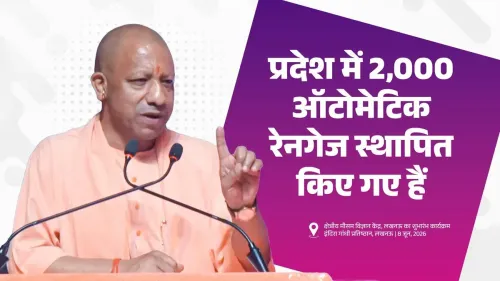
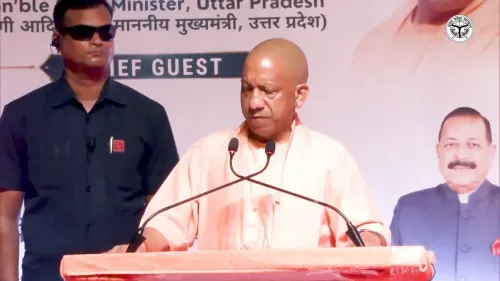
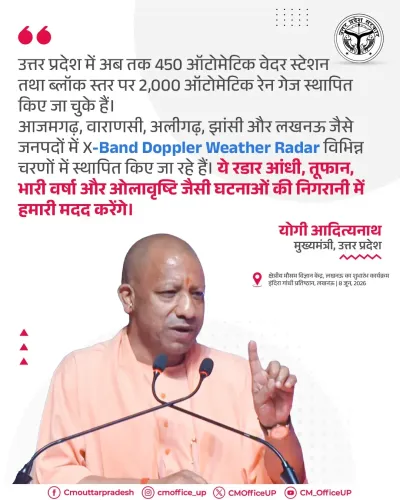
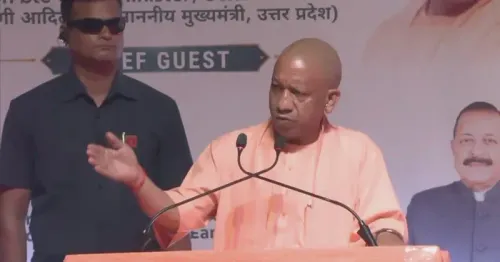
Uttar Pradesh Chief Minister Yogi Adityanath announced on Monday, June 8, 2026 that the state has installed 450 automatic weather stations and 2,000 automatic rain gauges at the block level, marking a significant expansion of the state's weather monitoring infrastructure.
Context
In his post on X, CM Yogi stated: 'प्रदेश में 450 ऑटोमेटिक वेदर स्टेशन और ब्लॉक स्तर पर 2,000 ऑटोमेटिक रेन गेज अब तक स्थापित हुए हैं' — 'In the state, 450 automatic weather stations and 2,000 automatic rain gauges at the block level have been installed so far.' The announcement positions Uttar Pradesh as one of the more active states in building ground-level meteorological infrastructure across its vast administrative network.
The deployment of rain gauges at the block level is particularly significant given Uttar Pradesh's administrative depth — the state has over 800 development blocks spread across 75 districts, making granular weather data collection a logistical challenge that this rollout seeks to address.
Policy Backdrop
India's push for automated weather infrastructure has been a national priority since the early 2010s, led by the India Meteorological Department (IMD) under the Ministry of Earth Sciences. State governments have been encouraged to partner with IMD to expand the density of observation networks, especially in agrarian states where hyper-local forecasting can directly influence crop planning and disaster response.
Uttar Pradesh, as India's most populous state and a major agricultural producer, has particular stakes in accurate monsoon monitoring. Gaps in weather data at the sub-district level have historically hampered early warning systems for floods and droughts — two recurring threats to the state's rural economy.
Automated stations feed real-time data into forecasting models, enabling more precise advisories for farmers and district administrations. The integration of such data with crop insurance schemes — such as the Pradhan Mantri Fasal Bima Yojana — has been an area of active policy development at both the central and state levels.
Stakeholders and Impact
The primary beneficiaries of denser weather monitoring are UP's farming communities, who depend on timely and localised rainfall forecasts for sowing, irrigation, and harvest decisions. Block-level rain gauges, in particular, bring measurement closer to the field, reducing the error margin that comes with extrapolating data from distant stations.
State and district disaster management authorities also stand to gain, as real-time precipitation data supports flood alerts and resource pre-positioning ahead of extreme weather events. Uttar Pradesh has faced recurring flood crises in its eastern districts along the Ganga and Ghaghra river systems, where early warning infrastructure is critical.
What's Next
The focus now shifts to data utilisation — how the readings from these stations are integrated into farmer advisory services, state weather bulletins, and insurance claim verification processes. Further expansion of the network to cover all blocks, alongside investment in maintenance and skilled personnel, will determine the long-term effectiveness of this infrastructure push.
Budget allocations for the upkeep of automated equipment and the development of farmer-facing digital platforms to disseminate block-level forecasts will be closely watched in upcoming state policy announcements.
Point of View
Which has been a persistent gap in India's rural weather network. This fits a broader pattern among state governments of using technology rollouts to demonstrate proactive climate resilience, particularly as erratic monsoons increasingly dominate the political conversation in agrarian states. The real test will be whether the data pipelines from these stations reach farmers and insurance systems in actionable form.
NationPress
25 Oct 2026
Frequently Asked Questions
How many automatic weather stations has Uttar Pradesh installed?
According to Chief Minister Yogi Adityanath's announcement on June 8, 2026, Uttar Pradesh has installed 450 automatic weather stations across the state.
What are automatic rain gauges and why are they important for UP?
Automatic rain gauges are electronic devices that measure and record rainfall without manual intervention. For Uttar Pradesh, deploying 2,000 of them at the block level means farmers and disaster managers get precise, localised rainfall data rather than relying on distant stations.
How does this weather infrastructure help UP farmers?
Block-level weather data enables more accurate advisories for sowing, irrigation, and harvesting decisions. It also supports crop insurance claim verification under schemes like the Pradhan Mantri Fasal Bima Yojana by providing ground-truth rainfall records.
What role does the India Meteorological Department play in UP's weather network?
The India Meteorological Department, under the Ministry of Earth Sciences, has partnered with state governments since the early 2010s to expand automated observation networks. States like Uttar Pradesh align their installations with IMD's national framework for weather monitoring.
What is the next step after installing weather stations in Uttar Pradesh?
The key next steps involve integrating the collected data into farmer advisory platforms, district disaster management systems, and crop insurance processes, along with securing budget allocations for equipment maintenance and network expansion to remaining blocks.