Uttarakhand CM Office: Chamoli border tourism gets easier
Synopsis
Uttarakhand's Chief Minister's Office says Chamoli district's strategic border zones are seeing simultaneous infrastructure expansion and a simpler Seema Darshan process, increasing tourist access to India's northern frontier areas.
Key Takeaways
The Chief Minister's Office of Uttarakhand announced on July 30, 2026 that development and tourism are advancing together in Chamoli district's border zones.
Chamoli lies along the Line of Actual Control with China, making it one of Uttarakhand's most strategically sensitive districts.
The state is expanding basic infrastructure while simplifying the Seema Darshan (border-viewing) permit process to increase civilian access.
The Border Area Development Programme , active since the 1980s , provides the policy foundation for infrastructure investment in frontier districts.
Local communities and domestic tourists are the primary beneficiaries; specific road or permit projects have not yet been detailed officially.
At India's northern frontier, where the Himalayas meet strategic necessity, Uttarakhand's government is threading development and tourism together — and the needle is moving in Chamoli district.
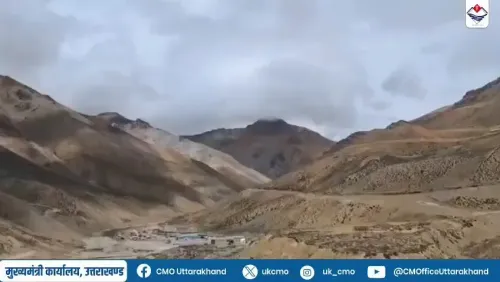
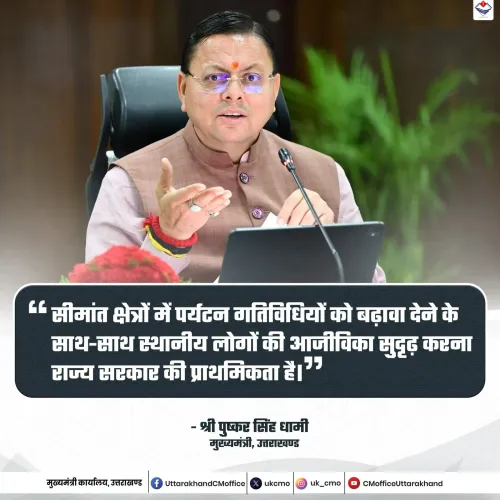
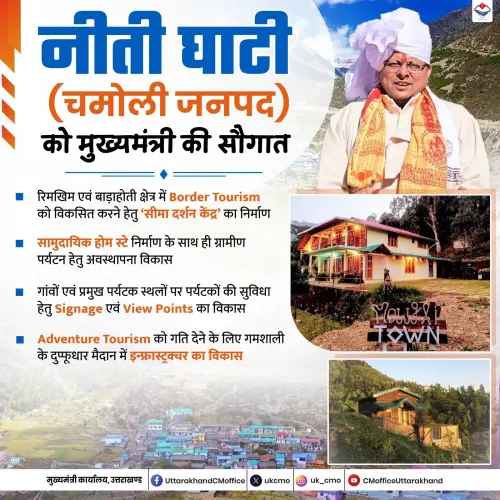
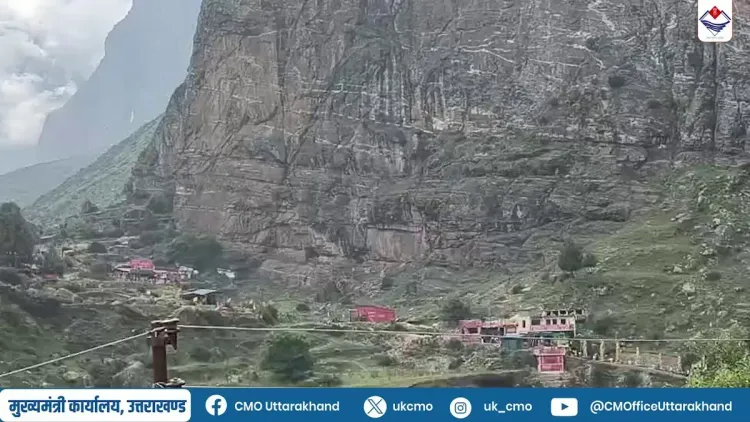
The Chief Minister's Office of Uttarakhand announced on Thursday, July 30, 2026 that the state is simultaneously expanding basic infrastructure and simplifying the Seema Darshan (border-viewing) process in Chamoli's strategically sensitive frontier zones — opening these high-altitude border belts to a growing stream of tourists.
What 'Seema Darshan' means for Chamoli
Chamoli district sits along the Line of Actual Control with China, making it one of Uttarakhand's most sensitive — and most spectacular — frontier zones. The government's stated push is twofold: build out foundational facilities such as roads and basic amenities, and reduce the procedural friction that has historically kept civilian visitors away from border viewpoints. The CMO's post frames this not as a security concession but as a calibrated opening — infrastructure first, then access.A decades-old playbook, now in higher gear
This is not a policy invented in 2026. The Border Area Development Programme, running since the 1980s, was designed precisely to bring services and connectivity to India's remote frontier districts. What has shifted is the explicit pairing of that infrastructure logic with regulated civilian tourism — a recognition that populated, visited border zones carry their own strategic value. Uttarakhand is not alone in this; Himalayan states across India's northern arc have pursued the same dual track, but Chamoli's geography — home to pilgrimage corridors and high-altitude passes — gives the model particular visibility.Who stands to gain along the frontier
The immediate beneficiaries are two overlapping communities: border tourists drawn by the prospect of standing at India's northern edge, and local communities in Chamoli's villages who have long waited for the roads and services that make sustained economic activity possible. Simplified permit processes lower the barrier for domestic travellers, while better infrastructure makes the journey viable in the first place. The state has not yet specified which road corridors or permit windows are being expanded — those details, when they arrive, will be the real measure of momentum. For now, the signal from Dehradun is deliberate: Uttarakhand's frontier is open for business, and Chamoli is the proof of concept.Point of View
State-level announcements like this carry weight beyond local development optics. The real test will be whether specific projects and measurable tourist-flow data follow the political signal.
NationPress
30 Jul 2026
Frequently Asked Questions
What is Seema Darshan in Uttarakhand?
Seema Darshan refers to regulated civilian visits to border viewpoints in Uttarakhand's frontier districts, allowing tourists to view India's northern border areas under a permit system managed by the state government.
Why is Chamoli district strategically important?
Chamoli district shares a border with China along the Line of Actual Control and contains high-altitude passes and pilgrimage corridors, giving it both military sensitivity and significant tourism potential.
What is the Border Area Development Programme?
The Border Area Development Programme is a central government scheme running since the 1980s that funds infrastructure, connectivity, and basic services in India's remote frontier districts.
How is Uttarakhand making border tourism easier in Chamoli?
The state government says it is expanding basic infrastructure — roads and facilities — while simplifying the permit process for Seema Darshan visits, though specific project details have not yet been officially announced.
Which areas of Chamoli are open for border tourism?
The CMO's announcement covers Chamoli's strategically sensitive frontier zones broadly; exact border viewpoints and permit corridors open to tourists have not been specified in the current announcement.