Uttarkashi JSS Offers Free Vocational Training to Dropouts
Synopsis
The Uttarakhand CMO has spotlighted the Jan Shikshan Sansthan in Uttarkashi, which provides free and subsidised vocational training to school dropouts, rural women, and disadvantaged groups in one of the state's most geographically challenging hill districts, aligning with India's Skill India Mission.
Key Takeaways
The Jan Shikshan Sansthan (JSS) in Uttarkashi offers free and subsidised vocational training to school dropouts, low-literate youth, women, and marginalised sections.
The programme covers both rural and urban areas of Uttarkashi district, reducing the need for beneficiaries to travel to larger cities.
JSS is a central government scheme under the Ministry of Skill Development and Entrepreneurship , restructured and renamed in 2000 from the earlier Shramik Vidyapeeths model.
The initiative aligns with the national Skill India Mission , which prioritises decentralised, short-term skill courses for marginalised populations.
Uttarakhand faces persistent youth out-migration from hill districts, making local skill delivery centres a strategic policy tool.
Future linkages with PMKVY or state skill missions could deepen the programme's employment impact across the region.
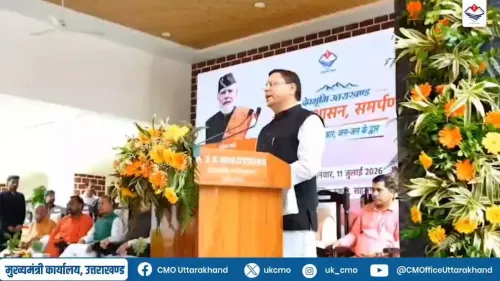
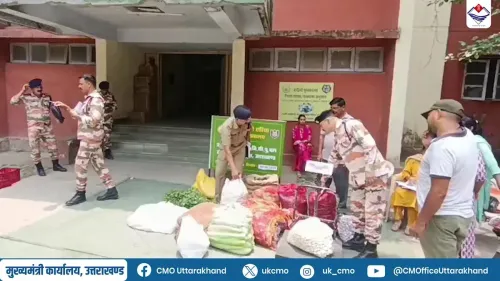
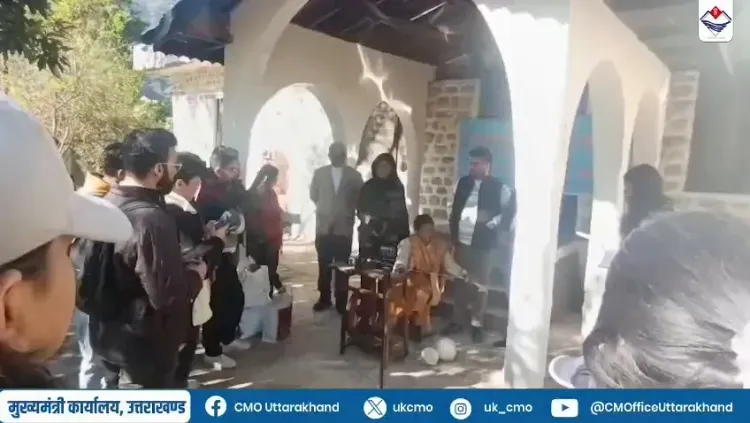
The Chief Minister's Office of Uttarakhand highlighted on Thursday, 23 July 2026 that the Jan Shikshan Sansthan (JSS) in Uttarkashi is actively delivering free and subsidised vocational training to school dropouts, rural women, and disadvantaged youth across both rural and urban pockets of the district.
The official post stated: 'Uttarkashi ka Jan Shikshan Sansthan gramin aur shahari kshetron ke kam shikshit, school chhod chuke yuvaon, mahilaon aur vanchit vargon ko nihshulk evam riyayati vyavsayik prashikshan pradan kar raha hai' — meaning the Uttarkashi JSS is providing free and concessional vocational training to less-educated, school-dropout youth, women, and marginalised sections in rural and urban areas.
Context
The Jan Shikshan Sansthan is a national network of vocational centres operating under India's Ministry of Skill Development and Entrepreneurship. Its mandate centres on non-formal, need-based skill education for neo-literates and groups excluded from mainstream education. The Uttarkashi unit targets one of Uttarakhand's most geographically challenging districts, where hilly terrain and dispersed settlements have historically constrained access to formal schooling.Policy Backdrop
The JSS scheme traces its lineage to the Shramik Vidyapeeths established in the late 1960s and was formally restructured and renamed Jan Shikshan Sansthan in 2000 by the Government of India. Since then, the network has expanded to cover multiple districts across states with high rural disadvantage. In Uttarakhand, persistent youth out-migration from hill districts has made decentralised skill delivery a policy priority. The state's broader framework aligns with the national Skill India Mission, which emphasises short-term, subsidised courses calibrated to local livelihood opportunities. Free and concessional training under the JSS model is designed to lower the cost barrier for families that cannot afford private institutes, making vocational certification accessible to first-generation learners and women re-entering the workforce.Stakeholders and Impact
The primary beneficiaries in Uttarkashi are school dropouts, low-literate youth, rural women, and members of scheduled castes and tribes — groups that often fall outside the reach of mainstream technical and vocational education. By offering training within the district itself, the centre reduces the need for beneficiaries to travel to larger urban centres such as Dehradun or Haridwar. For women in particular, proximate skill centres have been shown nationally to improve enrolment and course-completion rates. The Uttarkashi JSS's dual urban-rural outreach model suggests an intent to serve both roadhead towns and interior villages, broadening the programme's footprint.What's Next
With the Uttarakhand government drawing attention to the Uttarkashi JSS, observers will watch whether the state links the centre more formally with flagship central schemes such as the Pradhan Mantri Kaushal Vikas Yojana (PMKVY) or announces an expansion of JSS units to additional hill districts in upcoming budget deliberations. Greater convergence between JSS certification and industry or government employment pipelines could significantly raise the scheme's impact on reducing youth unemployment and slowing rural out-migration in the Himalayan state.Point of View
Visible promotion of proximate, cost-free skilling is both a welfare gesture and a political signal to rural constituencies. The broader question is whether such spotlighting translates into measurable enrolment upticks or remains largely communicative.
NationPress
23 Jul 2026
Frequently Asked Questions
What is Jan Shikshan Sansthan and how does it work?
Jan Shikshan Sansthan (JSS) is a government-supported vocational training network under India's Ministry of Skill Development and Entrepreneurship. It provides non-formal, short-term skill courses — often free or heavily subsidised — to neo-literates, school dropouts, rural women, and disadvantaged groups, operating through district-level centres across the country.
Who can benefit from the Uttarkashi Jan Shikshan Sansthan?
The Uttarkashi JSS is open to less-educated and school-dropout youth, women, and members of marginalised communities in both rural and urban parts of Uttarkashi district. The centre specifically targets those who cannot access or afford mainstream technical education.
Is the vocational training at JSS Uttarkashi really free?
Yes, the training is provided free of cost or at concessional rates. The subsidised model is a core feature of the JSS scheme nationally, designed to eliminate the financial barrier for first-generation learners and low-income families.
How does JSS relate to the Skill India Mission?
JSS centres are part of India's broader Skill India Mission framework, which emphasises decentralised, demand-driven vocational education for marginalised populations. JSS courses are aligned with local livelihood needs and complement larger central schemes such as PMKVY.
Why is skill development particularly important in Uttarkashi?
Uttarkashi is a hilly, largely rural district where access to formal education is limited and youth out-migration is a persistent challenge. Local skill centres like JSS reduce the need for residents to travel to distant urban centres, making vocational certification more accessible and potentially slowing migration.