Transformative Features of the Women's Quota Bill: 50% Increase in Lok Sabha Seats
Synopsis
Discover the transformative features of the women's quota bill, including a significant 50% increase in Lok Sabha seats, vertical reservations for SC/ST women, and more. This legislation aims to reshape the landscape of decision-making by empowering women in politics.
Key Takeaways
50% increase in Lok Sabha seats Vertical reservation for SC/ST women Implementation of quota within quota Delimitation based on 2011 Census Empowerment of women in political decision-making
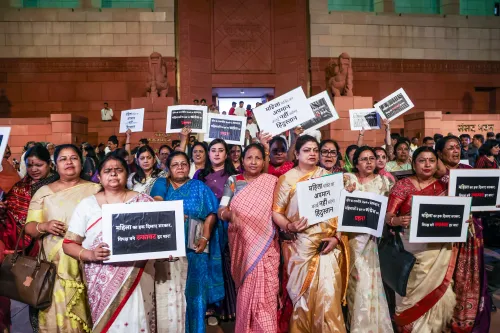
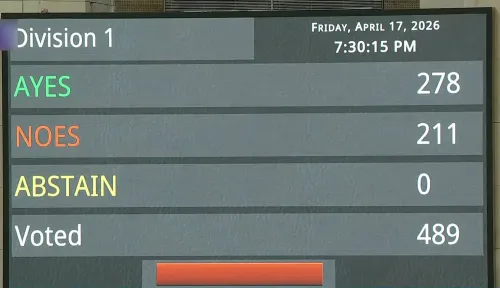
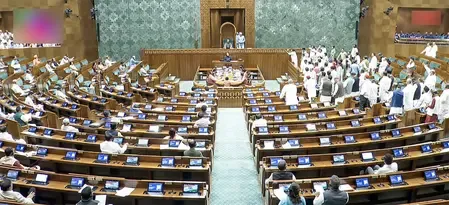
New Delhi, April 16 (NationPress) The government has revealed several key features of the women's quota bill, including a 50% increase in Lok Sabha seats, vertical reservation for SC/ST women, and a quota within quota. This information was disclosed on Thursday during discussions among MPs regarding the women's reservation bill and associated legislation.
According to government sources, the total number of Lok Sabha seats in Tamil Nadu will expand from 39 to 59 following the passage of the women's reservation and delimitation bills in Parliament.
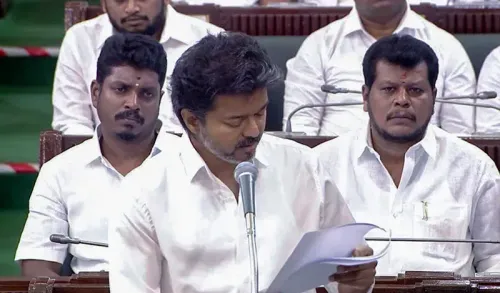
Criticism was directed at the ruling DMK in Tamil Nadu for allegedly misleading the public about this significant proposed legislation, with warnings that the party could face repercussions for what some termed a “political stunt.”
“If the bill is enacted, the number of Lok Sabha seats in states will increase significantly, with UP rising to 120, Tamil Nadu to 59, Bengal to 63, Kerala to 30, and Gujarat to 39, as mentioned by a government source.
The constituencies set to increase in number will be delineated based on the 2011 Census, rather than the previously suggested 2027 Census, in an effort to expedite the quota implementation ahead of the 2029 parliamentary elections.
In a similar vein, Assembly constituencies will also be defined according to the 2011 census, with an anticipated rise in the number of Assembly constituencies by 50%, potentially reaching 6,186 from the current 4,123 seats, as reported by sources.
The Constitution (One Hundred and Thirty-First Amendment) Bill, 2026, along with two associated legislations, aims to amend seven specific articles.
Key amendments may involve articles 55, 81, 82, 170, 332, and 334 (A) of the Constitution, according to government sources.
Minister of State for Law and Justice, Arjun Ram Meghwal, stated that all states' Lok Sabha seats would be increased by 50% as part of the women’s quota implementation and the related delimitation process.
The Women's Reservation Bill, passed in 2023, provides for the implementation of its provisions based on the census after 2026 and subsequent delimitation. This will result in a 50% increase in Lok Sabha members' strength, amounting to 815 seats, with 272 reserved for women, representing one-third of the total members. He assured that there would be no detriment to male MPs or any state, as they would maintain their current representation.
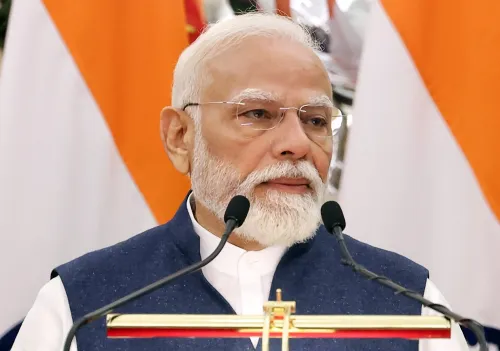
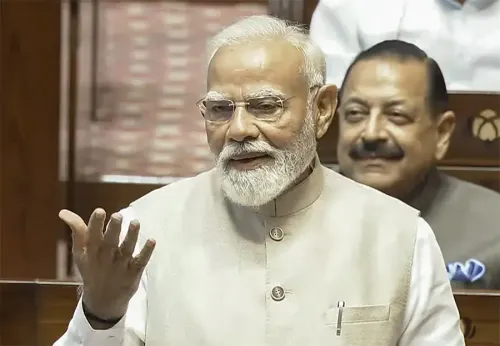
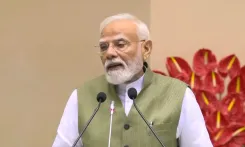
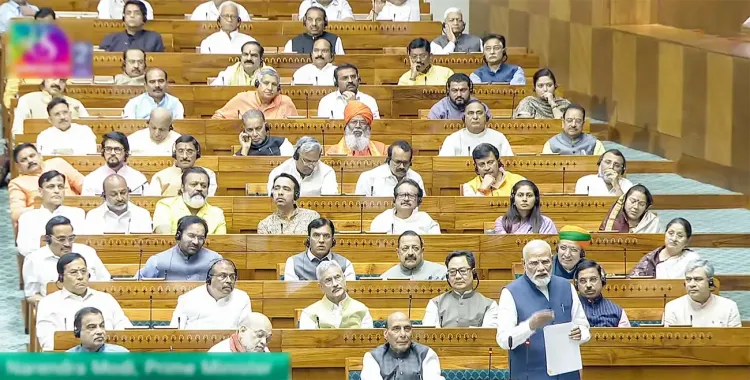
During the Lok Sabha discussions on the Constitution (One Hundred and Thirty-First Amendment) Bill, 2026, Prime Minister Narendra Modi emphasized that the Women’s Reservation Bill would transform the “disha and dasha” (direction and condition) of the nation’s politics by integrating half of the population into the decision-making process.
Point of View
It aims to empower women and ensure their voices are heard in governance, reflecting a progressive step towards inclusivity.
NationPress
19 Sept 2026
Frequently Asked Questions
What is the main objective of the women's quota bill?
The main objective of the women's quota bill is to enhance women's representation in Parliament and state legislatures by increasing the number of seats and implementing reservations.
How many Lok Sabha seats will be reserved for women?
The women's quota bill will reserve **272 out of 815** total Lok Sabha seats for women, amounting to one-third of the House.
When was the Women's Reservation Bill passed?
The Women's Reservation Bill was passed in **2023** and aims to implement its provisions based on the census after **2026**.
How will the delimitation process affect Lok Sabha seats?
Delimitation will redefine constituencies based on the **2011 Census**, potentially increasing Lok Sabha seats in various states.
What is the expected increase in Assembly constituencies?
The number of Assembly constituencies is expected to increase by **50%**, potentially reaching **6,186** seats.